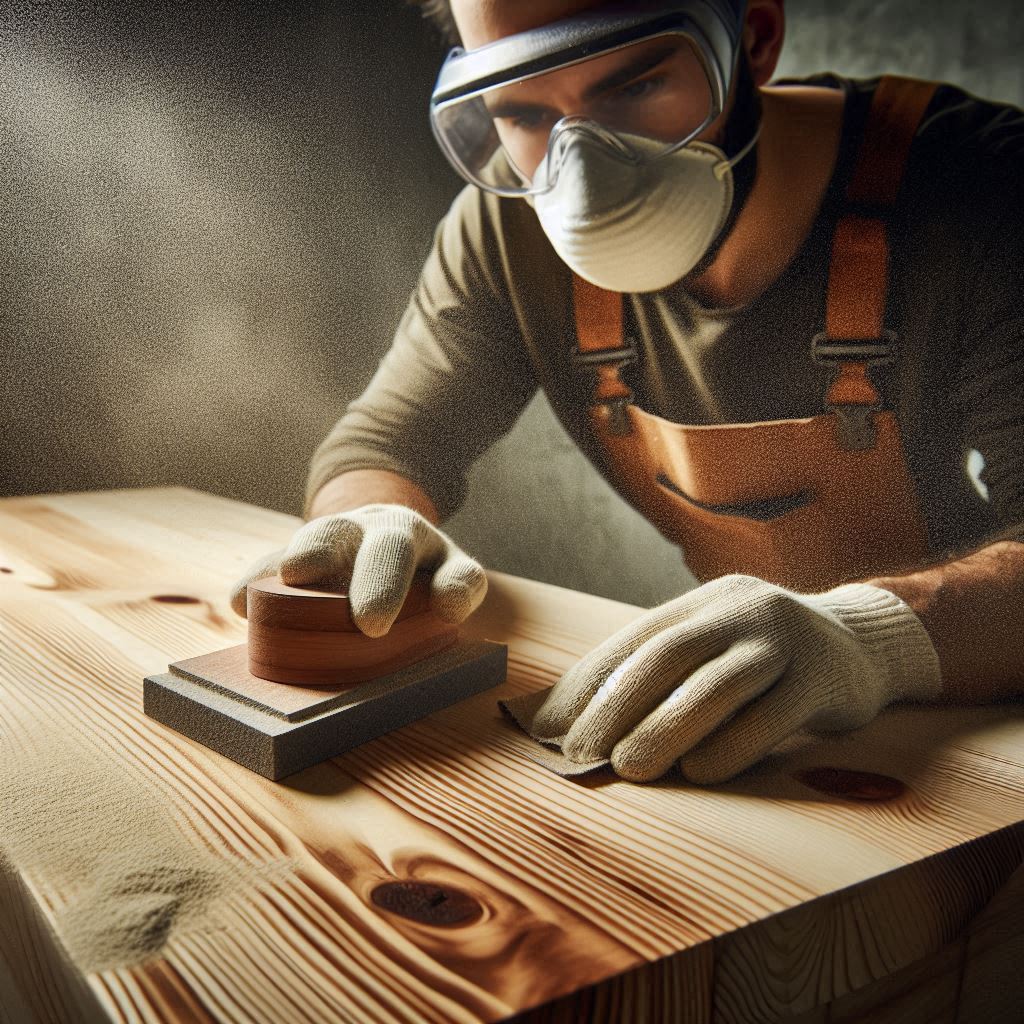
The 8 most common mistakes when sanding wood and how to avoid them
Grinding made easy: 8 common mistakes and how to avoid them
Sanding may seem simple at first glance, but anyone who has ever tried to achieve a perfect surface knows there are many pitfalls. Whether it's choosing the right sandpaper, using the appropriate tools, or working in the correct order, there are some typical mistakes that can quickly ruin the result. Here are eight common mistakes and how you can easily avoid them.
1. Too much pressure when sanding
Problems caused by too much pressure
- The grinding tool is working inefficiently because it is being pressed too hard onto the surface.
- Unsightly scratches and scuff marks appear.
- The sandpaper wears out much faster.
- Too much material is removed, which is difficult to correct.
Tip
Let the tool do the work! Apply only light pressure and use the correct grit. For coarse sanding, choose coarse sandpaper and powerful tools like random orbital or belt sanders. For fine sanding, finer paper and an orbital sander are the right choice.
2. Use used or dirty sandpaper
Tip
Always use fresh sandpaper, especially with new materials. If you're unsure what the paper was previously used on, it's best to replace it. It's not worth trying to save money in the wrong place.
3. Lack of protective equipment
Tip
Always wear appropriate protective equipment. This includes:
- Safety goggles that seal well at the sides.
- Hearing protection is essential, especially when using loud equipment.
- Tight-fitting gloves.
- Respiratory masks to avoid inhaling dust particles.
- Wear tight-fitting clothing and tie your hair back to prevent anything from being pulled into the machine.
4. Choosing the wrong grinding tool
Tip
Use the right equipment for your project:
- For larger areas: use an eccentric or belt sander.
- For corners and edges: orbital sander or delta sander.
- For delicate work: sandpaper and sanding block.
5. Excessive jumps in grain size
Tip
Increase the grain size in small increments. A proven sequence is, for example:
- 60 – 120 – 180 – 240.
Excessively large jumps leave unsightly scuff marks that are difficult to remove.
6. Sanding against the wood grain
Tip
Always sand with the grain. If you are using rotary sanders such as an orbital sander, the circular movements should always be in the direction of the grain.
7. Overestimating one's own abilities
Tip
Practice makes perfect! Learn about the material and machine thoroughly, and always try out new techniques on a scrap piece before tackling the actual project.
8. Not properly securing the workpiece
Tip
Secure the workpiece firmly to a workbench or table. Use clamps and a protective material such as polystyrene or cardboard to prevent it from moving and damaging the surface.
Summary: How to avoid the most common grinding errors
Sanding requires patience, the right technique, and the appropriate tools. Here's an overview of the most important rules:
- Don't apply too much pressure.
- Always work with clean sandpaper.
- Wear appropriate protective equipment.
- Choose the right sander for your project.
- Increase the grain size gradually and avoid large jumps.
- Always sand wood in the direction of the grain.
- Don't overestimate your abilities.
- Secure your workpiece.
With these tips, your sanding work is guaranteed to be successful without major mistakes!
FAQ – Frequently Asked Questions about Grinding
1. Why is too much pressure bad when sanding?
Too much pressure leads to scratches, worn sandpaper, and an inefficient sanding process. Let the sander do the work.
2. Which grinding tool should I use?
Eccentric or belt sanders are suitable for large areas, while orbital sanders are ideal for corners and edges.
3. Can I continue working with used sandpaper?
Used or dirty sandpaper can negatively affect the result. It's best to change it regularly, especially with delicate materials.
4. Do I really always have to wear protective equipment?
Yes! Protective equipment such as goggles, gloves and respirators protect you from injuries and harmful dust.
5. Why is it important to sand with the wood grain?
Sanding against the grain can cause scratches and splinters. Always work with the grain to achieve a clean finish.
6. How do I choose the right grain size?
Start with coarse sandpaper and increase the grit in small steps to achieve the best result.
7. How often should I change the sandpaper?
Change the sandpaper as soon as it becomes worn or dirty. For delicate work, it should always be fresh.
8. What do I do if the workpiece slips?
Secure it to a stable surface with clamps to prevent slipping and ensure clean results.
Alternatively: Buy a ready-made table directly.
If you don't want to build a table yourself, you can either choose a high-quality tabletop or buy a ready-made table.
Solid wood tabletops
Discover our range of tabletops in various types of wood:
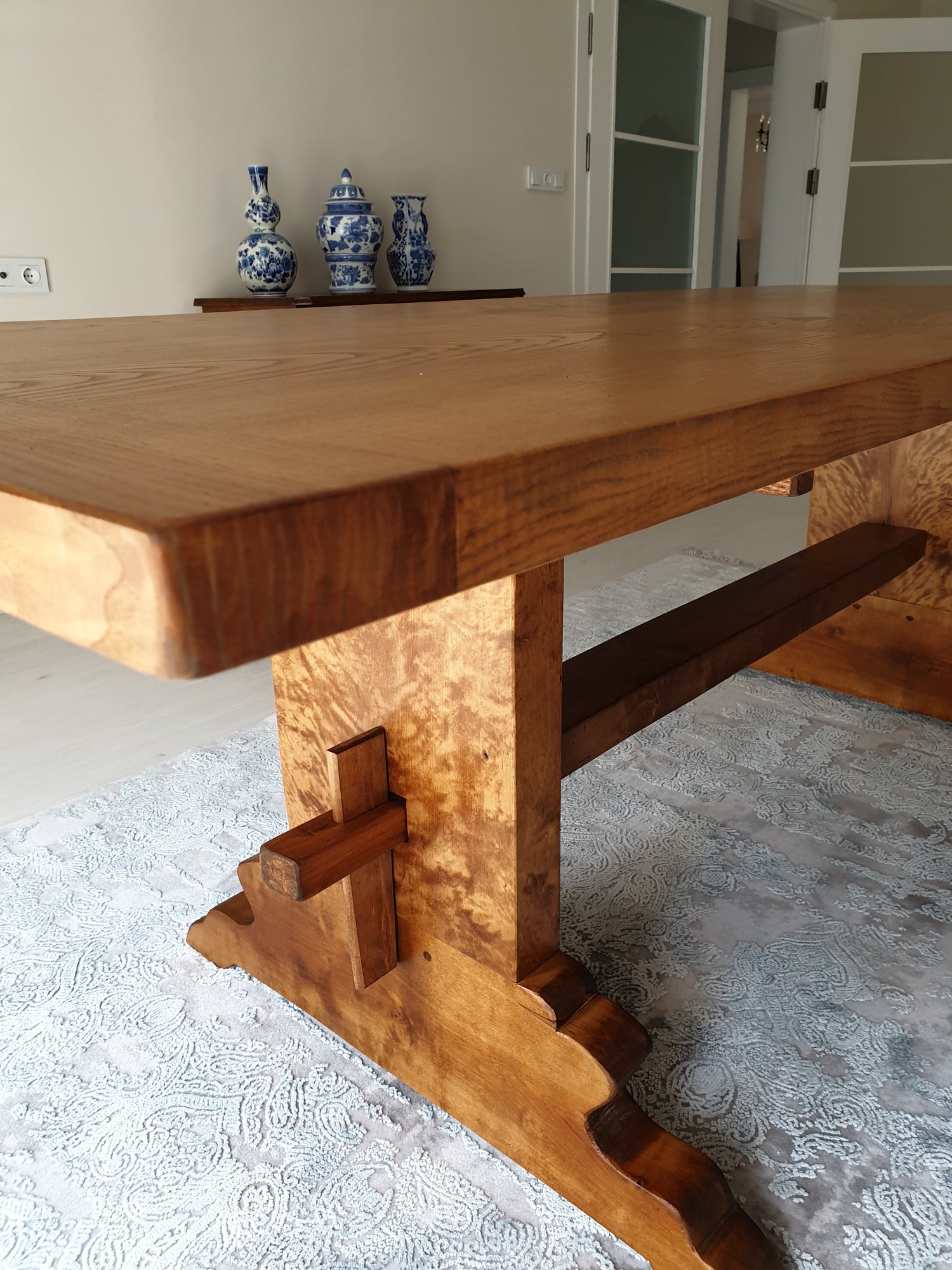
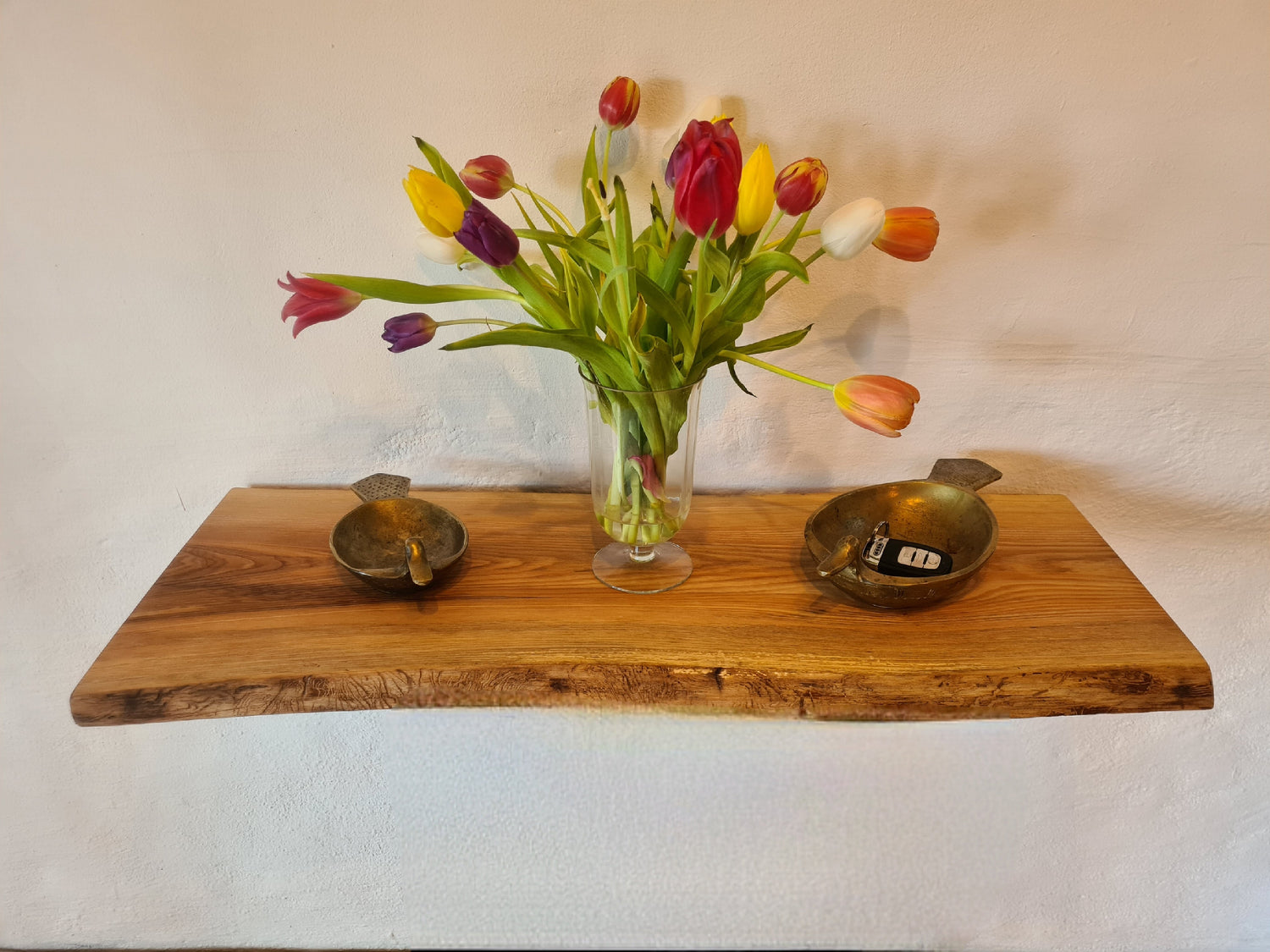
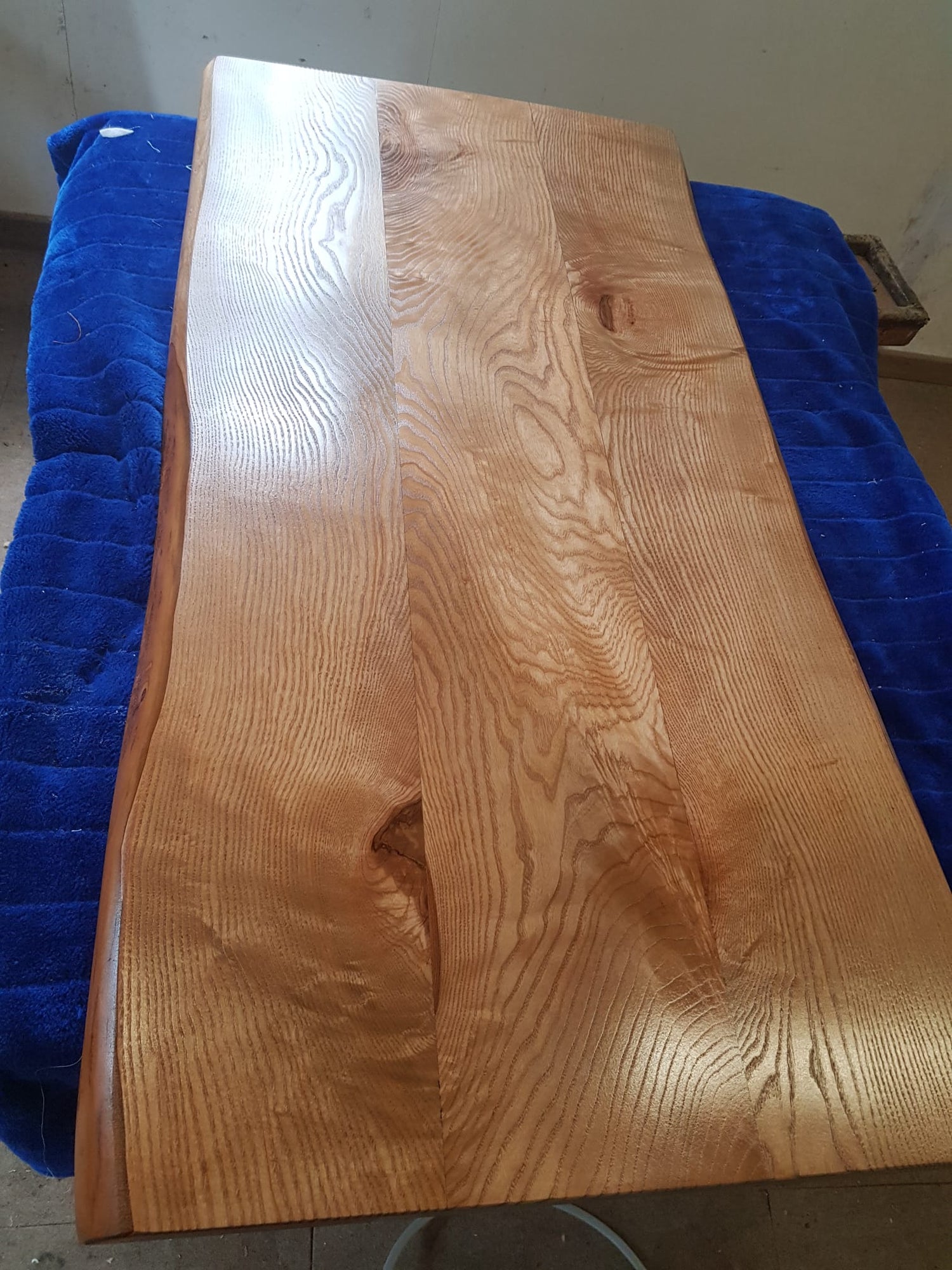
Table tops made of solid wood in oak or ash
Finished tables made of solid wood
Our finished solid wood tables offer various options, including different legs and wood types such as oak and ash:
Ready-made tables made of solid wood in oak or ash
- Ready-made tables made of solid wood in oak or ash
- Oak table with straight legs
- Oak table with spider legs
- Oak table with X-shaped legs
- Ash table