
The longevity of wood: Building for generations
The longevity of wood: Building for generations
Wood as a building material has a long tradition in the construction industry and has become increasingly important in recent years – especially in commercial construction. Choosing the right building material plays a central role in project planning, and wood, with its properties, offers a particularly sustainable and versatile option.
Why wood is the future of building
Wood is a renewable, natural resource and, when sustainably managed, particularly environmentally friendly. Due to its positive ecological properties, wood is increasingly seen as a building material of the future. It is ideally suited for a wide range of applications in construction, from load-bearing structures to stylish facade cladding. But what makes wood so special?
The outstanding properties of wood
Wood impresses with its unique combination of strength, flexibility, and natural aesthetics. These properties make it an excellent building material for load-bearing structures. In nature, a tree is constantly exposed to forces such as wind, which underscores its resilience. This is due to the macromolecule lignin, which, in combination with plant cellulose, gives wood its stability and flexibility.
These natural properties allow wood to be used in construction to build load-bearing structures that remain stable for many years. In addition, wood is a lightweight material, which simplifies transport and processing.
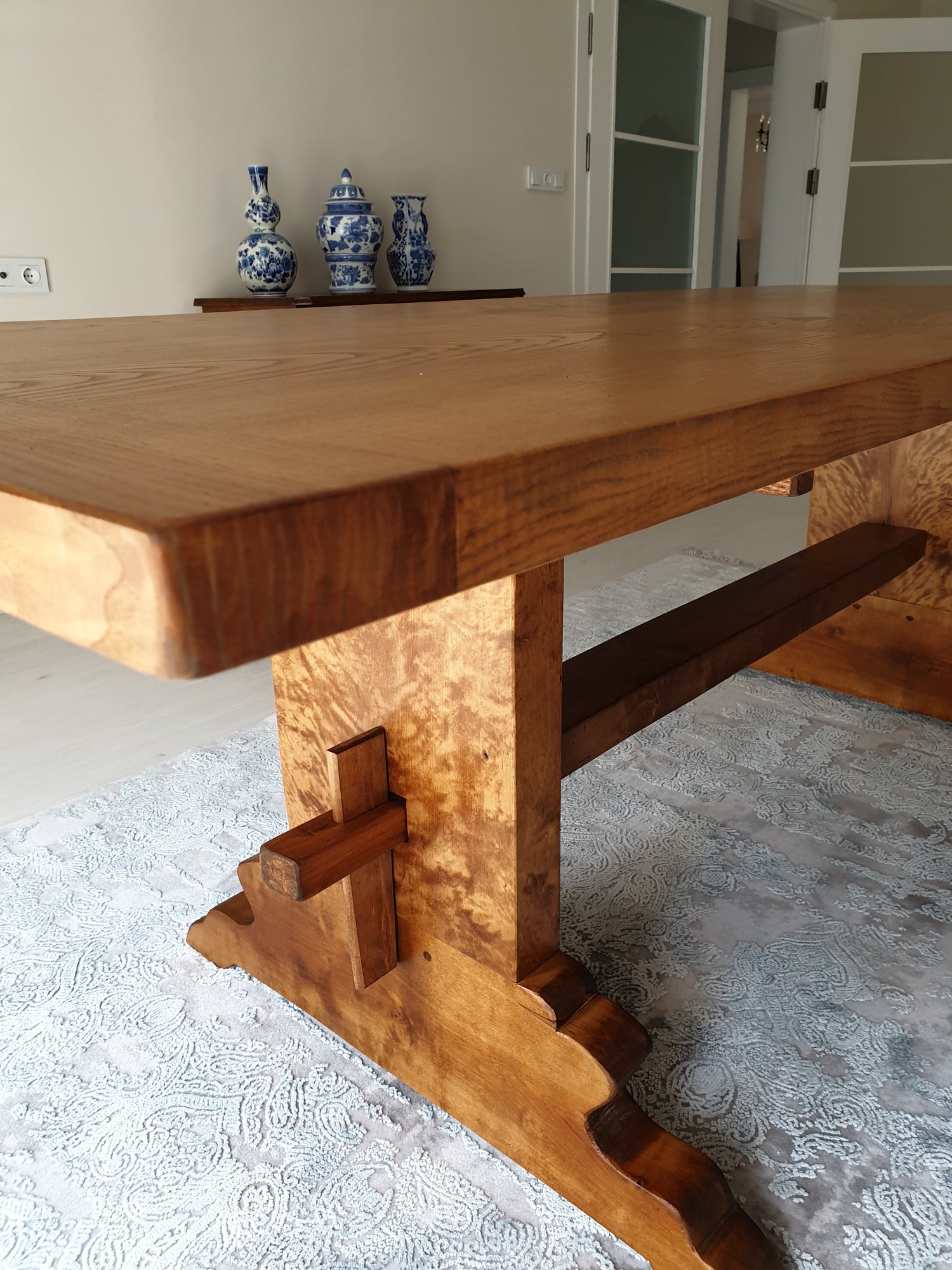
Build your own individual table or furniture from wood and focus on sustainability and design – visit the Uzun furniture carpentry workshop !
The natural decomposition process of wood
In nature, wood is broken down by insects and fungi once a certain moisture content is reached. To prevent this, construction timber is dried to a very low moisture content. Nowadays, technical drying processes dominate, in which the wood is treated in special drying chambers to stop the decomposition process and ensure the wood's longevity. This guarantees that construction timber remains stable even over extended periods.
Choosing the right type of wood for construction projects
Not every type of wood is equally suitable for all construction projects. In Germany, there are standards that regulate which types of wood are suitable for which purpose. For example, spruce, fir, and pine are frequently used in construction. However, for outdoor use, these woods must be protected from moisture through special protective measures such as wood preservatives or structural modifications. Robust wood species such as Douglas fir or larch, on the other hand, can be used untreated outdoors and offer greater resistance to weathering.
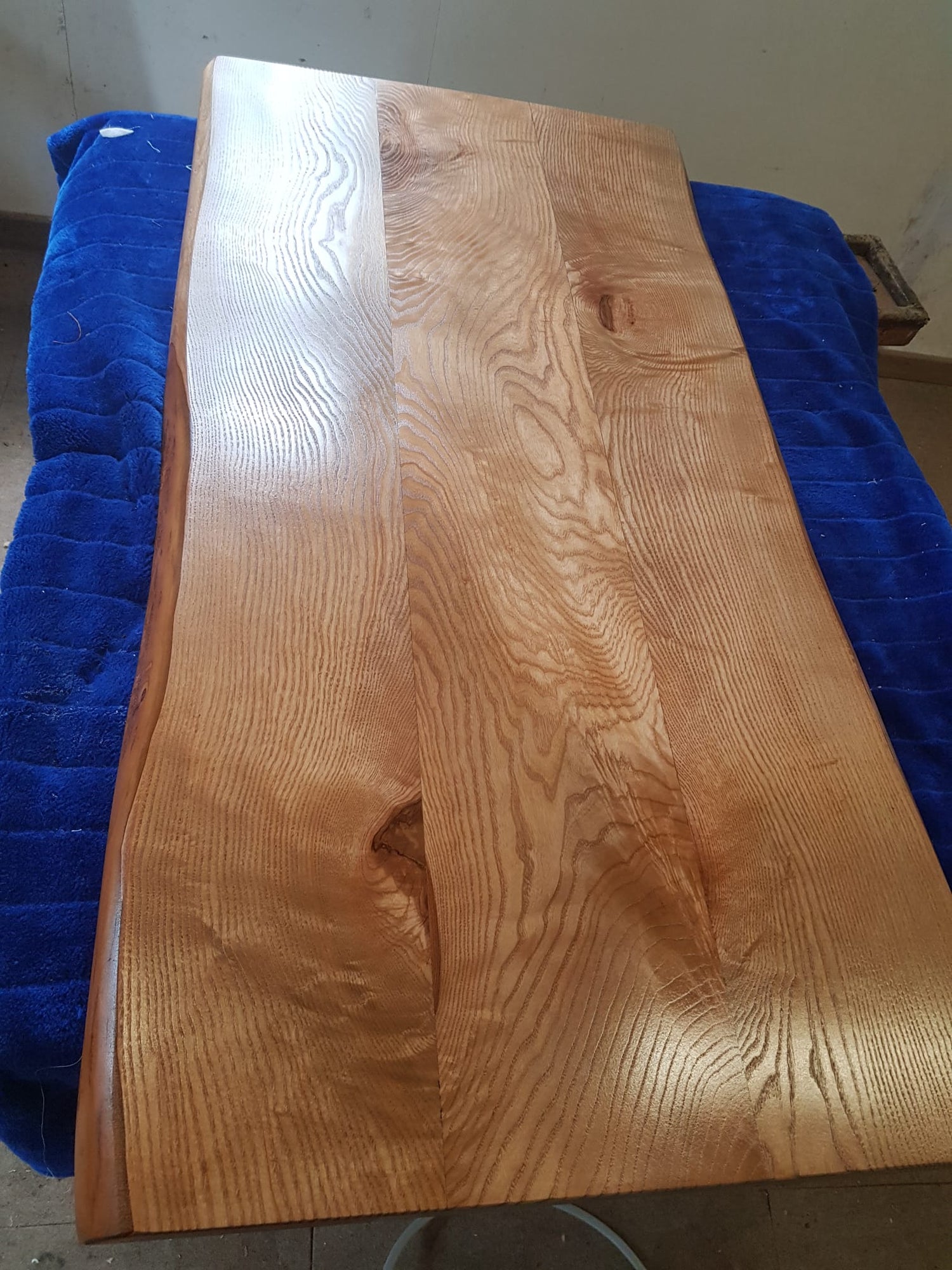
If you are looking for a robust tabletop or a custom-made table , the Uzun furniture carpentry workshop offers a variety of individual solutions made from high-quality types of wood.
Chemical wood preservation: Then and now
Previously, the use of chemical wood preservatives was essential, as construction timber usually had a high moisture content. With today's technical drying methods, the use of such preservatives has drastically decreased, which is not only beneficial from a health perspective but also improves the ecological footprint of construction timber.
Nowadays, dry timber is used, which requires no chemical impregnation for interior use. This makes wood even more attractive for modern timber construction, as it is not only environmentally friendly but also ensures healthy indoor air quality.
Historic buildings as proof of the longevity of wood
A look at history shows that wood is a proven building material. Many historic buildings, especially half-timbered houses, have survived for centuries and are still in good condition today. This longevity is proof that, with proper care and use, wood is an extremely stable and durable material.
Modern woodworking: Durability for the future
Thanks to modern technologies and strict building standards, today's timber structures are extremely durable and resilient. The drying and processing of timber ensures high stability, while protection from the elements is guaranteed by appropriate measures such as roof overhangs and facade protection.
With proper maintenance, a modern timber building can achieve a lifespan comparable to that of steel or concrete structures. Timber buildings are also energy-efficient and, thanks to their natural thermal insulation properties, contribute to reducing energy costs.
Conclusion: Wood – the building material for a sustainable future
Wood is not only a traditional but also a forward-looking building material. Thanks to its natural properties, sustainability, and durability, wood offers many advantages over conventional materials such as steel or concrete. Those who choose wood are opting for an environmentally friendly and timeless material that is both ecologically and aesthetically compelling.
If you are looking for custom-made furniture or high-quality tabletops , visit the Uzun furniture workshop and be inspired.
FAQ: Frequently asked questions about wood as a building material
1. Is wood really more sustainable than concrete or steel?
Yes, wood is a renewable resource and stores CO₂ during its growth. Sustainable forestry releases less CO₂ than the production of concrete or steel.
2. How long does a wooden house last?
With proper care and protection, a wooden house can last just as long as a house made of concrete or steel. Historic timber-framed houses are a good example of the longevity of wood.
3. Is chemical wood preservative always necessary in timber construction?
No, thanks to modern drying processes, chemical wood preservatives are unnecessary indoors. Outdoors, it depends on the type of wood and its intended use.
4. Which wood is best suited for outdoor use?
Wood types such as Douglas fir or Siberian larch are particularly durable and well suited for outdoor use.
5. How do you protect wood from moisture?
Wood can be protected from moisture through structural measures such as roof overhangs or special wood preservatives.
6. Why is wood a particularly energy-efficient building material?
Wood has natural insulating properties that help to store heat in the building and reduce energy costs.
7. Is a wooden house just as stable as a steel or concrete building?
Yes, thanks to new technologies, modern wooden buildings are just as stable and load-bearing as structures made of steel or concrete.
8. How much does a timber-framed building cost compared to conventional buildings?
Wooden buildings can compete with concrete or steel buildings in terms of price, especially due to shorter construction times and the possibility of prefabrication of components.
9. How do you properly maintain wooden buildings?
Regular maintenance and protection from moisture are the most important measures to extend the lifespan of wooden buildings.
10. Can wood be used in interior design without any concerns?
Yes, wood is not only aesthetically pleasing in interior spaces, but also safe, as long as it is installed dry and without chemical impregnation.
All statements without guarantee.