
Wood as a building material: advantages and disadvantages at a glance
Wood as a building material: advantages and disadvantages at a glance
Wood is a versatile raw material that has been used in numerous areas for centuries. Whether as a building material, for furniture making, or for everyday objects – wood is ubiquitous. But how sustainable is its use really? In this article, we examine the advantages and disadvantages of wood to foster a better understanding of how to use this valuable resource responsibly.
The advantages of wood
1. Strong and flexible usage options
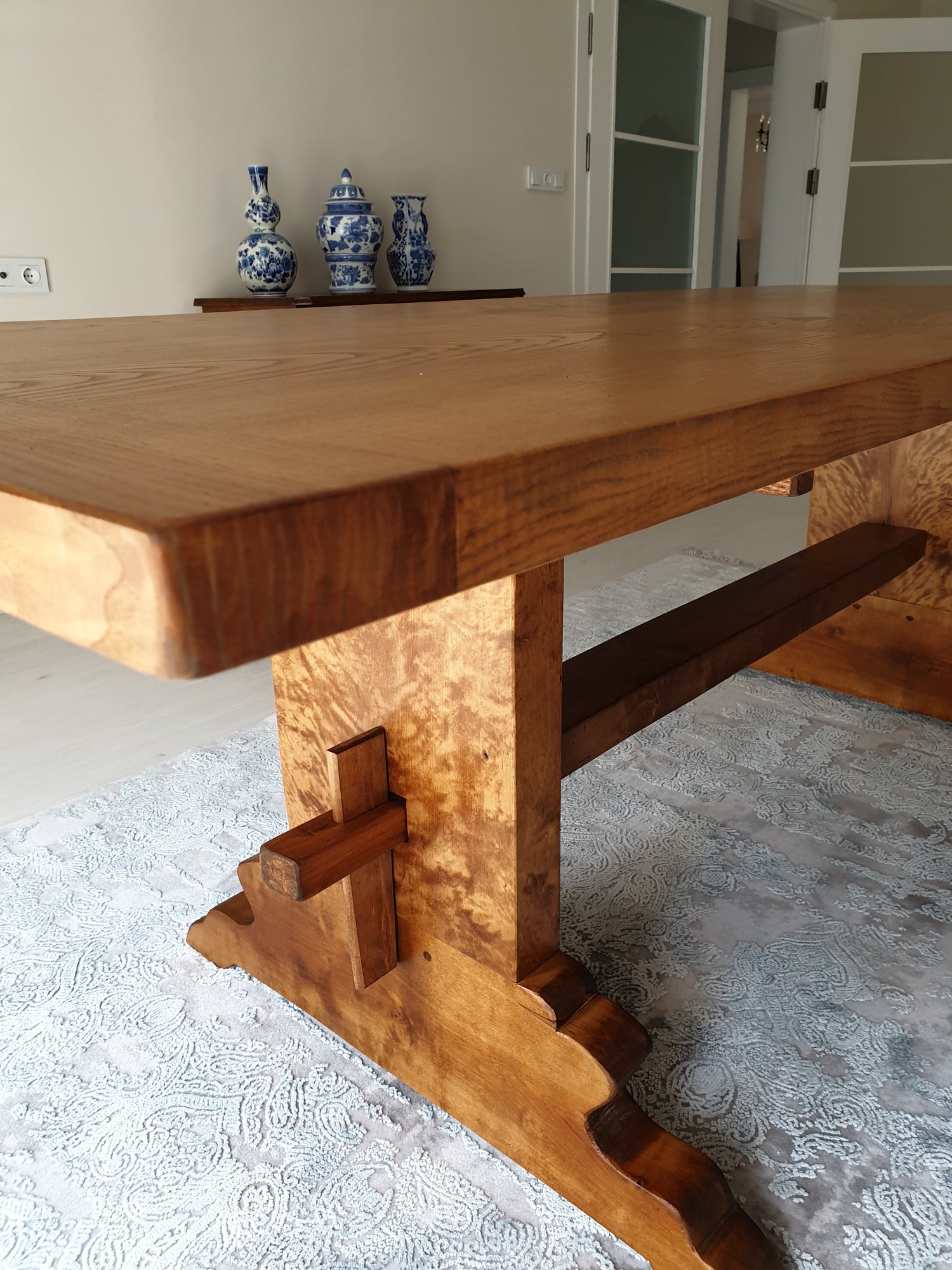
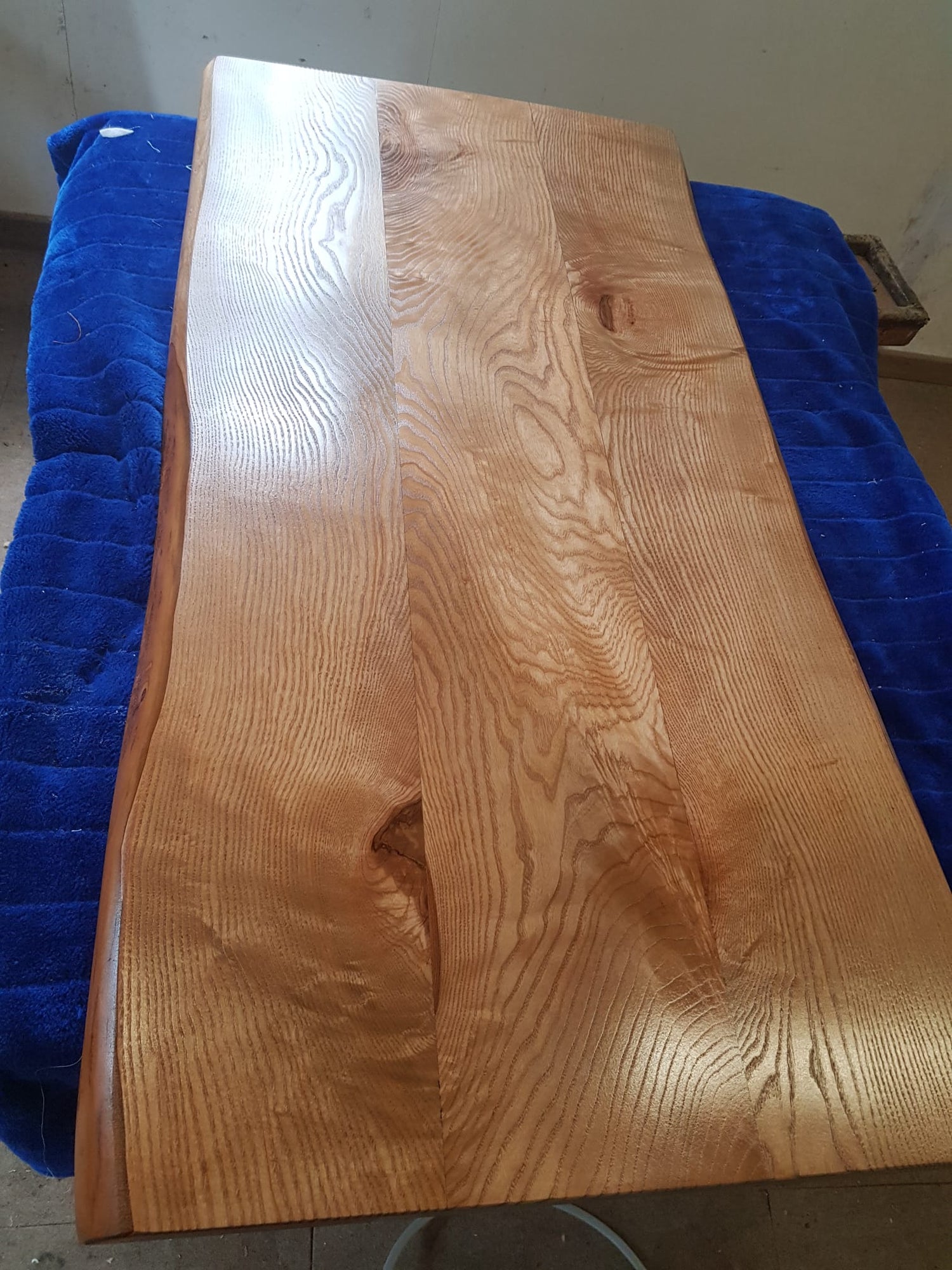
Wood is a very stable yet flexible building material. This makes it a preferred material in many industries. It is particularly used in construction for houses, floors, and paneling. At the same time, it is excellent for furniture, toys, and even tools. If you are looking for custom-made tables or tabletops , the Uzun furniture workshop offers a wide selection of handcrafted pieces.
2. Naturally growing and renewable
Unlike many other materials such as plastic or metal, wood is a renewable resource. Trees are part of a natural cycle in which they are constantly renewed. This makes wood a particularly environmentally friendly resource that places less strain on nature. Through responsible reforestation and the selection of fast-growing tree species, we can use this resource efficiently and sustainably.
3. Biodegradable
Another major advantage of wood is its ability to decompose naturally. When wood products reach the end of their lifespan, they return to the natural cycle by biodegrading. In doing so, they contribute to the soil's nutrient supply and support other living organisms. This is a significant advantage compared to synthetic materials, which often take a long time to decompose.
The disadvantages of wood
Despite its many advantages, the use of wood also presents some challenges. In particular, human intervention in natural forests poses a problem.
1. Deforestation and its consequences
Perhaps the biggest drawback of timber harvesting is deforestation. Forests are complex ecosystems that provide habitat for countless plant and animal species. When trees are felled for timber, this habitat is destroyed. This has serious consequences for biodiversity and the climate. Forests absorb large amounts of carbon dioxide and thus actively contribute to combating climate change. When a forest is cleared, this positive effect is lost.
2. Loss of climate and air quality
Trees play a vital role in improving air quality. They filter pollutants from the air and release oxygen, which is essential for humans and animals. By cutting down trees, we lose this ability to naturally purify the air. Furthermore, trees contribute to cooling the climate, which is particularly important in urban areas.
3. Aesthetic loss and loss of habitats
Forests and wooded areas are not only functional but also aesthetically pleasing. They provide recreational spaces for people and are an essential component of many breathtaking landscapes. Deforestation can not only impair air quality but also destroy these beautiful vistas. Furthermore, many animals, insects, and birds lose their habitat when forests are destroyed.
Are you looking for high-quality, custom-made furniture that doesn't harm the environment? Visit the Uzun furniture workshop to discover unique and sustainable pieces.
Conclusion: Conscious use of wood as a resource
Wood is an invaluable resource that offers us many advantages – from its versatility as a building material to its biodegradability. However, we must also be aware of its disadvantages, particularly regarding deforestation and the associated environmental damage. The key lies in the sustainable use of wood: reforestation, the use of fast-growing tree species, and a conscious reduction in deforestation are crucial measures for protecting the environment while simultaneously benefiting from the advantages of wood.
If you are interested in sustainable furniture, it is worth taking a look at the custom-made furniture from the Uzun furniture workshop. There you will find high-quality products that are manufactured with care and respect for nature.
FAQ: Frequently asked questions about the advantages and disadvantages of wood
1. Is wood really more environmentally friendly than other materials?
Yes, wood is renewable, biodegradable, and produces fewer emissions during its manufacture than many other materials. Nevertheless, it is important to ensure sustainable use.
2. How can we reduce deforestation?
Through reforestation, the use of recycled wood and the use of fast-growing tree species, we can reduce the impact of deforestation.
3. Why is wood biodegradable?
Wood is an organic material that decomposes naturally and returns to the nutrient cycle of nature.
4. Are there types of wood that grow back faster than others?
Yes, coniferous trees like pines or spruces grow significantly faster than deciduous trees like oaks and are therefore better suited for sustainable forestry.
5. What role does wood play in the fight against climate change?
Trees absorb carbon dioxide and thus help to reduce the amount of greenhouse gases in the atmosphere. Their ability to store CO₂ makes them an important factor in the fight against climate change.
6. How does wood contribute to air quality?
Trees filter pollutants from the air and release oxygen. Using wood from sustainable sources helps to preserve these important natural functions.
7. What are the biggest disadvantages of using wood?
The biggest disadvantage is deforestation, which can lead to habitat loss, deterioration of air quality and the intensification of climate change.
8. How can I ensure that my furniture was made from sustainable wood?
When buying furniture, look for suppliers who support sustainable forestry. For example, the furniture workshop Uzun offers furniture made from responsibly sourced wood.
9. Why are trees so important for biodiversity?
Forests provide habitat for numerous plants and animals. Without trees, many species lose their home and food source.
10. Are there alternatives to using wood to protect forests?
Yes, there are alternatives such as recycled wood or artificial materials. Nevertheless, wood is often the better choice due to its natural properties, as long as it is used sustainably.
All statements without guarantee.