
Wood as a sustainable carbon sink: Facts and myths
Wood as a sustainable carbon sink: Facts and myths
Wood is considered one of the most sustainable building materials of our time. It is not only a renewable resource but also has the remarkable ability to store carbon. However, the question is often raised whether the CO₂ emissions generated by forestry and wood processing negate these advantages. In this blog post, we take a closer look at the balance between the emissions from wood production and the benefits of carbon storage in wood products.
Emissions in forestry: A realistic view
One of the biggest concerns regarding the use of wood as a building material is the emissions generated by forestry and timber transport. These processes undoubtedly involve a certain amount of CO₂ emissions. However, numerous studies show that these emissions are comparatively low, especially when compared to the CO₂ emissions released during the production of concrete or steel.
One example is a study on the Scots pine in the southeastern United States, which shows that emissions from forestry and harvesting account for only 1.6% of the total carbon stored in wood products and forests. This means that the positive effects of carbon storage far outweigh the emissions generated by processing.
If you are looking for sustainable furniture that not only looks great but also contributes to climate protection, take a look at the selection offered by the Uzun furniture workshop . Here you will find a wide variety of high-quality wooden furniture.
Wood as a long-term carbon sink
One of wood's outstanding properties is its ability to sequester carbon over long periods. Every tree absorbs CO₂ from the atmosphere during its growth and stores it as carbon in its wood. This carbon remains sequestered even after the wood has been processed into furniture or buildings, as long as the material is not burned or decomposed.
Wood's ability to act as a carbon sink is not only an advantage for climate protection, but also an enormous resource in the construction industry. Modern timber buildings are not only aesthetically pleasing, but also actively contribute to the reduction of greenhouse gases.
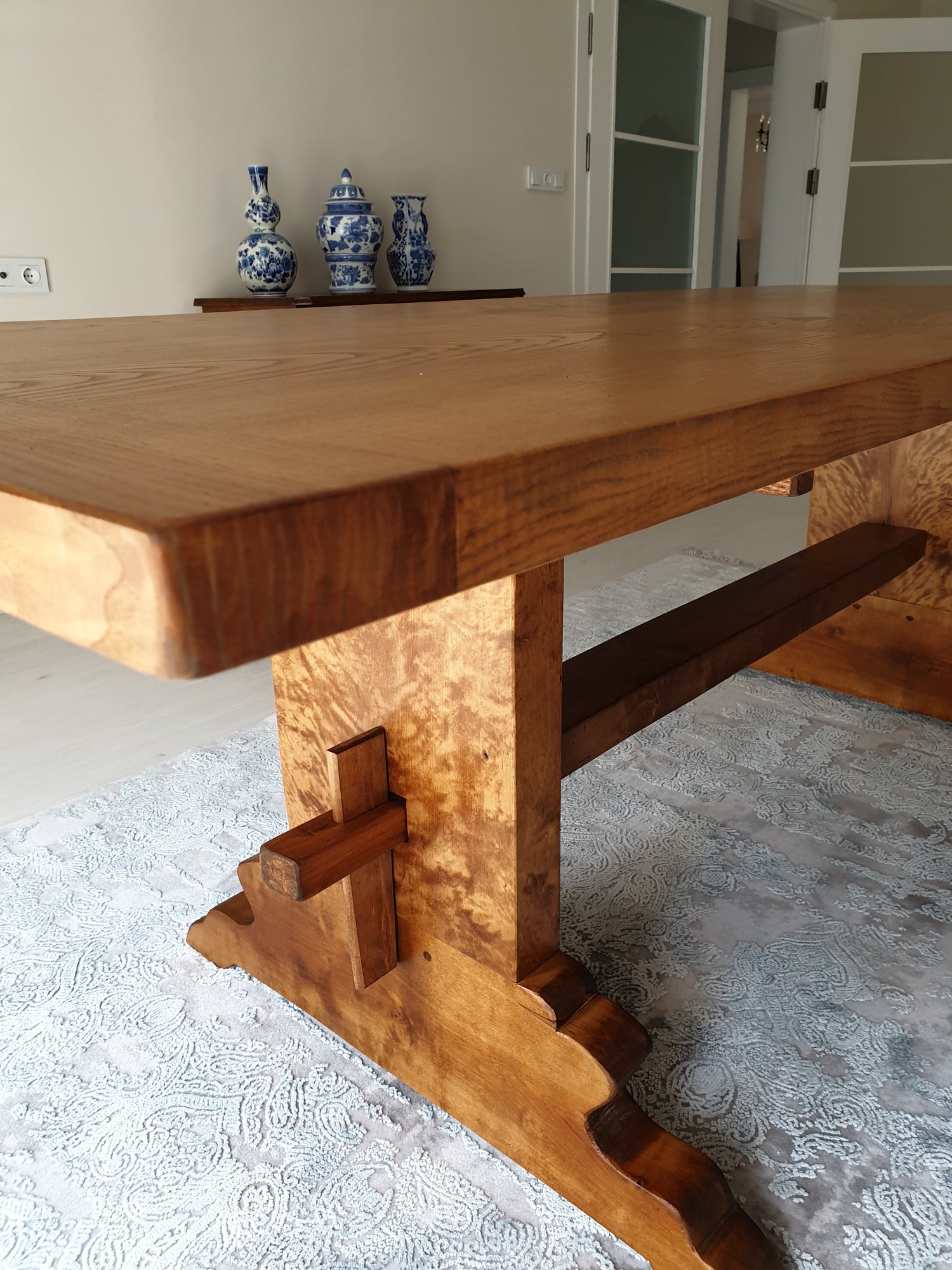
Are you interested in a custom-made table that is not only functional but also sustainable? The Uzun furniture workshop offers a wide selection of tables that are individually tailored to your needs.
The sustainability cycle: From tree to final product
Today, forestry is far more than just felling trees. Sustainable practices ensure that forests are preserved and can regenerate in the long term. The carbon stored in the trees during their growth is retained through sustainable forestry, thus contributing to the reduction of CO₂ concentration in the atmosphere.
Wood products used in construction projects or furniture act as a long-term storage medium for this carbon. This makes wood an ideal building material in times of climate change. Even after construction or furniture manufacturing, the carbon remains bound, and thus these products actively contribute to reducing greenhouse gases.
If you're currently considering buying new furniture for your home, you should opt for sustainable materials like wood. The Uzun furniture workshop offers a wide selection of custom-made furniture pieces that are not only environmentally friendly but also of the highest quality.
Conclusion: Wood as an indispensable building material for the future
The question of whether the emissions caused by forestry outweigh the benefits of wood as a carbon sink can be answered unequivocally with no. The emissions generated during wood production are minimal compared to the amount of carbon that wood stores. Furthermore, the CO₂ emissions generated during the production of concrete or steel are far higher. Therefore, wood is a climate-friendly alternative that contributes to reducing CO₂ emissions in the long term.
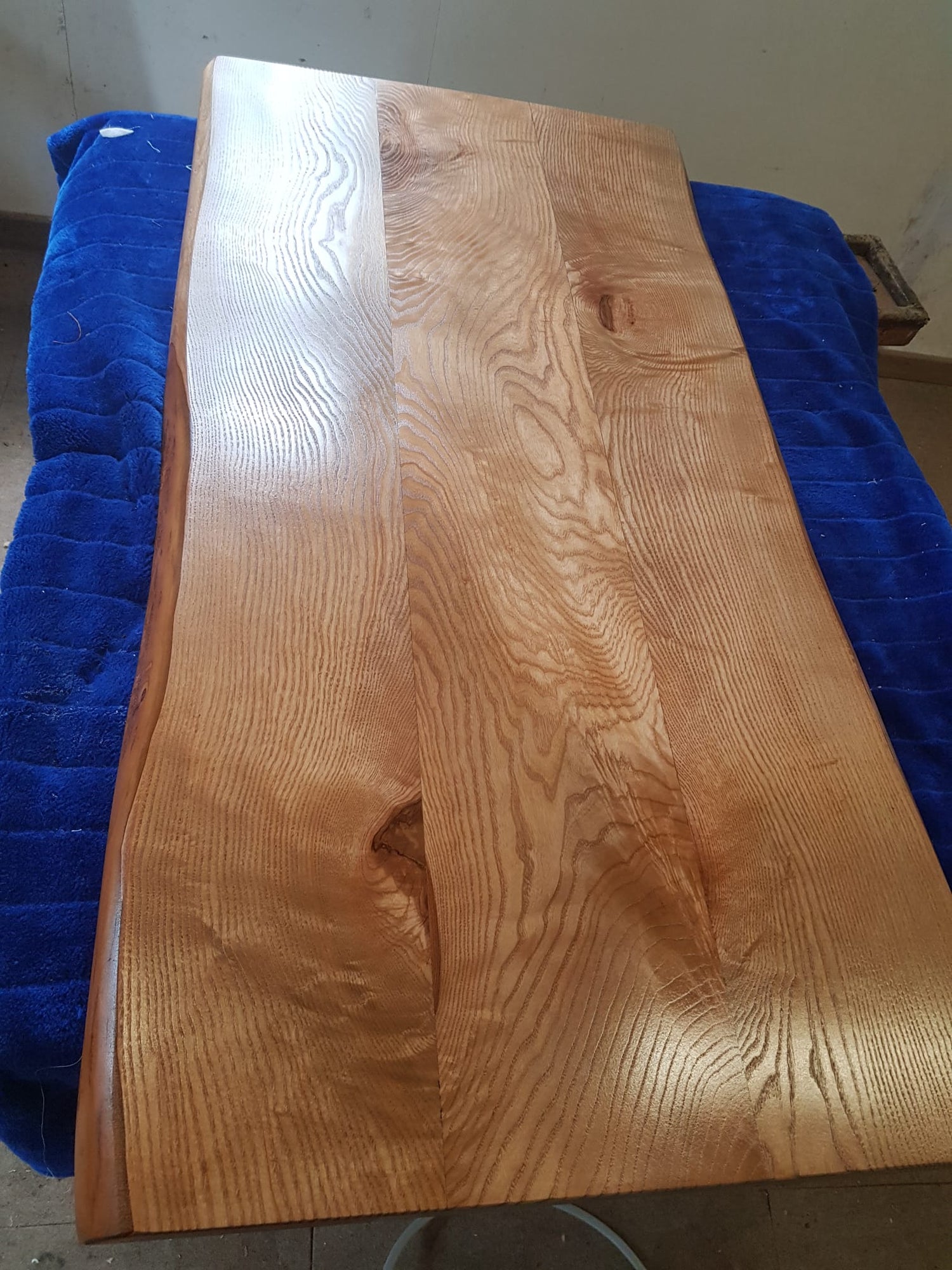
So, if you want to prioritize sustainability in your next construction project or when furnishing your home, wood is the best choice. Especially if you're looking for custom-made furniture or tabletops , you'll find what you need at the Uzun furniture workshop .
FAQ
1. Is wood really environmentally friendly despite the emissions from forestry?
Yes, the emissions from forestry are very low compared to the amount of carbon stored in wood and wood products. Studies show that the positive effect outweighs the negative.
2. How does wood store carbon?
Wood stores carbon during the tree's growth. This carbon is retained even after processing into furniture or construction projects, as long as the wood does not burn or rot.
3. How long does the carbon remain bound in the wood?
The carbon remains bound in the wood as long as the wood is not destroyed or burned. Therefore, wood can serve as a carbon sink for decades.
4. Are wood products also more environmentally friendly compared to steel and concrete?
Yes, wood products have a significantly lower CO₂ footprint than concrete or steel, as their production is less energy-intensive.
5. Can I contribute to climate protection by buying wooden furniture?
Yes, wooden furniture helps to store carbon and thus reduce CO₂ emissions.
6. Where can I buy sustainable wooden furniture?
The furniture carpentry company Uzun offers a wide selection of sustainable and custom-made furniture that is perfectly tailored to your needs.
7. How sustainable is forestry?
Modern forestry places great emphasis on sustainability. Reforestation and sustainable harvesting methods ensure that forests are preserved for the long term.
8. Can I also get custom-made tables made from sustainable wood?
Yes, at the Uzun furniture carpentry workshop you can order individual tables made from high-quality, sustainable wood.
9. What advantages does wood offer as a building material compared to other materials?
Wood is light, flexible, and strong at the same time. Furthermore, it has a much lower CO₂ footprint than other building materials such as steel or concrete.
10. Is wood also suitable for use in larger construction projects?
Yes, wood is now used not only for smaller construction projects, but also in commercial construction and in multi-story buildings.
All statements without guarantee.