
Timber-hybrid construction: Sustainability and stability in modern building
Timber-hybrid construction: Sustainability and stability in modern building
Sustainability is becoming increasingly important in the construction industry, and timber-hybrid construction offers an innovative solution for combining ecological building with high functionality. This construction method combines the advantages of wood, concrete, and steel, enabling resource-efficient structures – ideal for multi-story buildings. Whether in residential or commercial construction, timber-hybrid construction is versatile and combines efficiency with environmental awareness.
What is timber-hybrid construction?
The term "timber-hybrid construction" describes a building method in which wood and concrete are used in the load-bearing structure of a building. While wood serves as a sustainable and lightweight material for the building envelope, concrete is primarily used in areas that require particular stability, such as foundations, stairwells, and elevator shafts. Steel complements this combination with its high strength and contributes to the overall load-bearing capacity of the structure.
This hybrid construction method allows for optimal use of the strengths of the different materials. Wood impresses with its low weight and high strength over large spans. At the same time, it is robust against various environmental influences, such as salty air, and remains stable for a long time in the event of a fire. Concrete provides the necessary stability in areas subject to particularly high stress, and steel lends the structure additional strength.
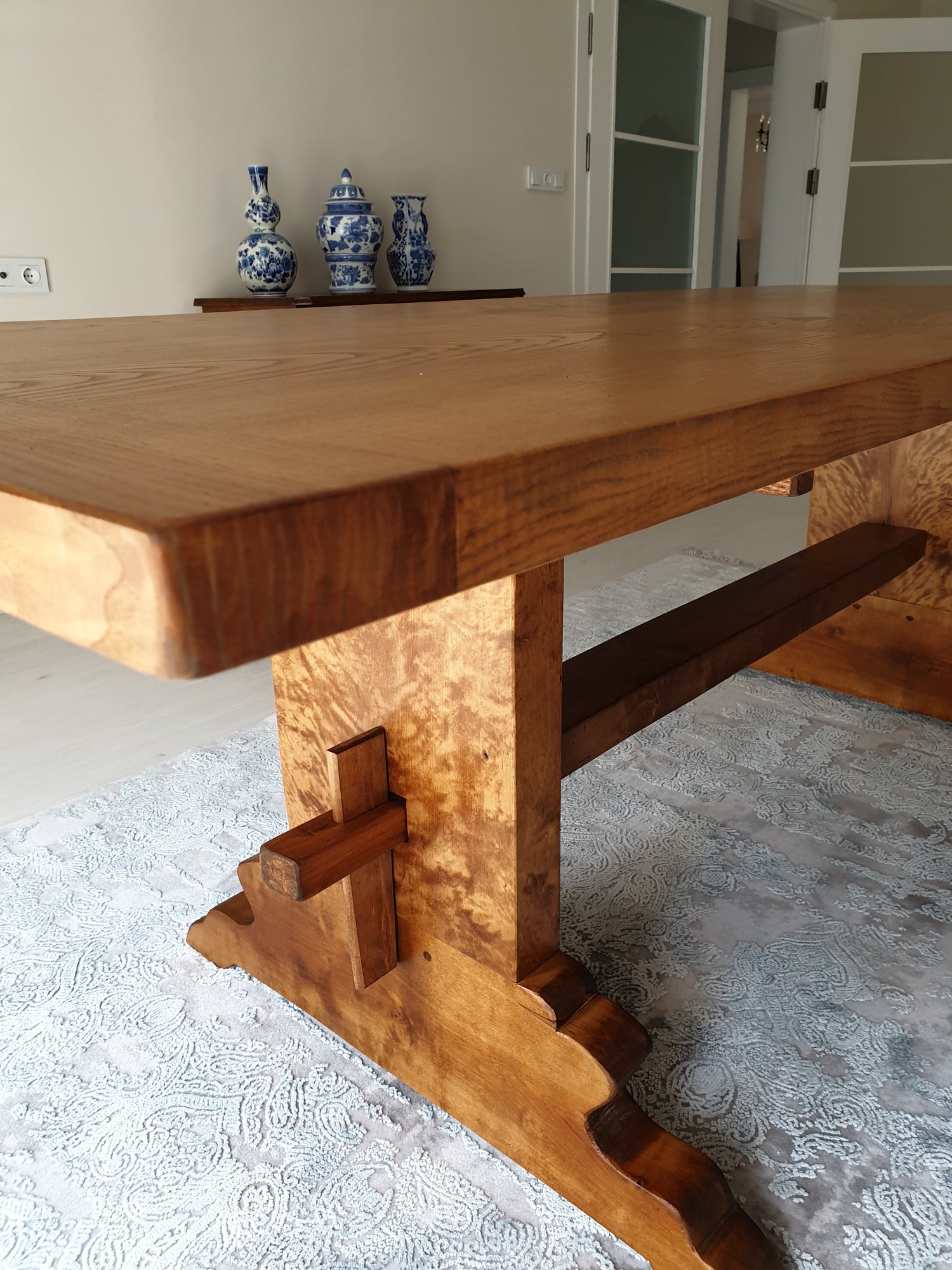
If you are looking for custom-made furniture that impresses in terms of stability and aesthetics, the furniture carpentry firm -Uzun offers high-quality solutions that are perfectly tailored to your needs.
The advantages of wood in construction
Wood has made a name for itself in construction not only because of its sustainability, but also because of its versatile applications. It provides the perfect foundation for large spans without making the structure excessively heavy. Furthermore, wooden structures are easy to work with and can be used in a variety of designs and forms.
Another advantage is wood's resistance to environmental influences. Particularly in coastal areas or near industrial plants, where the air has a higher salt content, wood exhibits remarkable resistance. Its smooth surfaces make it less susceptible to dirt and grime, thus reducing maintenance.
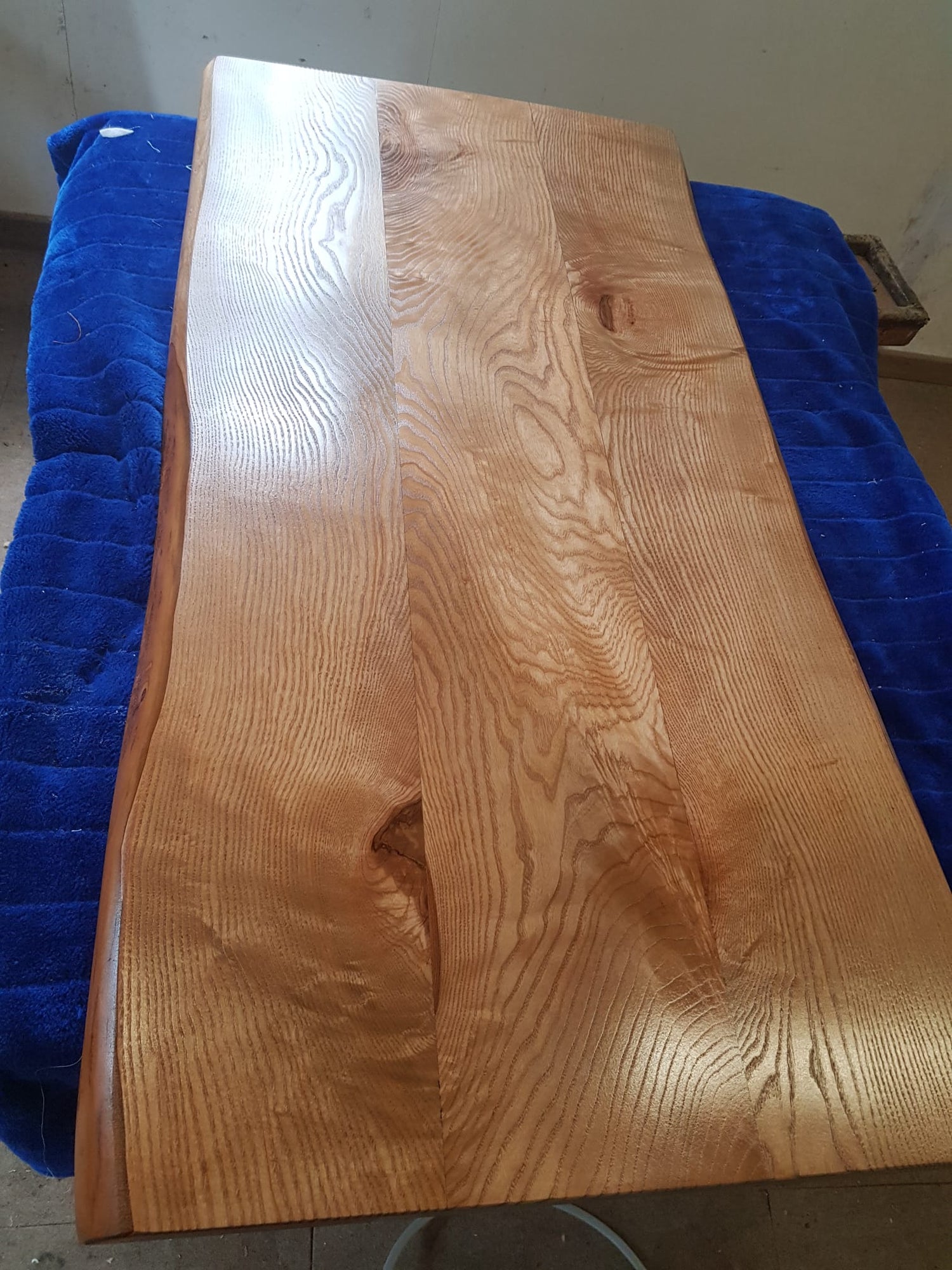
Are you looking for a new tabletop made of high-quality wood? The Uzun furniture carpentry workshop offers custom-made solutions that suit your individual style.
Concrete and steel in timber-hybrid construction
While wood forms the backbone of the building envelope, concrete and steel are used in areas that must bear particularly heavy loads. Concrete is known for its durability and resistance to external influences. It is primarily used in foundations, stairwells, and elevator shafts, as these components are subject to enormous stress.
Steel adds extra strength to the structure. It is frequently used, especially for long spans that require additional stability. However, steel structures are susceptible to corrosion due to moisture and salty air, which necessitates additional maintenance.
The combination of wood, concrete, and steel makes it possible to unite the respective advantages of each material and create a construction method that is both robust and resource-efficient. This applies not only to commercial buildings but also to private construction projects. For example, anyone interested in a custom-made table will find bespoke furniture pieces at the Uzun furniture workshop that are durable and unique.
Fire resistance and load-bearing capacity of wood
A common misconception is that wood is particularly dangerous in a fire. In fact, wood has a high fire resistance and remains load-bearing for a long time before it fails. While steel quickly loses its stability at high temperatures, wood can maintain its load-bearing capacity for an extended period. This means that wooden structures are often more stable in a fire than steel structures, which can deform under heat.
In the event of a fire, wood forms a layer of char on its surface, which protects the interior of the material and slows down decomposition. This keeps the building stable for longer and gives residents more time to evacuate in an emergency.
Application of reinforced concrete in construction
Reinforced concrete is a common choice for structures subjected to high tensile and compressive forces. The combination of steel and concrete allows for the utilization of the best properties of both materials. While the concrete resists compressive forces, the steel absorbs the tensile forces. However, reinforced concrete has a high dead load, which can be problematic for large spans. In such cases, prestressed concrete is often used, in which the steel elements are prestressed to better distribute the compressive forces.
If you are looking for durable and stylish furniture to enhance your interior, you can find inspiration at the Uzun furniture workshop . They offer a wide range of furniture pieces tailored to your individual needs.
Conclusion: Timber-hybrid construction as the future of building
Timber-hybrid construction combines the best of three worlds: wood, concrete, and steel. This combination offers a future-oriented building method that is both ecologically sound and functionally impressive. The use of wood protects the environment, while concrete and steel provide the necessary stability. Especially in times when sustainability plays an increasingly important role, timber-hybrid construction demonstrates that environmentally friendly building is possible without compromising stability.
Whether for commercial or residential buildings, the versatility and ecological advantages of this construction method are compelling. Would you like to furnish your home with unique pieces of furniture? Browse the selection at the Uzun furniture workshop and be inspired by their custom-made solutions.
FAQ
1. What is timber-hybrid construction?
Timber-hybrid construction refers to a construction method in which wood, concrete and steel are combined to create stable and sustainable buildings.
2. Why is wood an ideal building material?
Wood is sustainable, lightweight, and robust. It also has high fire resistance and remains load-bearing even under extreme conditions.
3. How does concrete contribute to the stability of a building?
Concrete is mainly used in heavily stressed areas such as foundations and stairwells. It is extremely resistant and durable.
4. How does wood behave in case of fire?
In the event of a fire, wood forms a protective layer of char that shields the interior from the heat. This allows it to remain stable longer than steel structures, which can deform quickly.
5. Why is steel used in timber-hybrid construction?
Steel complements the load-bearing capacity of wood and concrete, especially over large spans or under high tensile forces. It provides additional stability.
6. Which environmental influences does wood tolerate particularly well?
Wood is resistant to salty air and other environmental influences. It remains stable and requires little maintenance.
7. Is wood truly sustainable?
Yes, wood is a renewable raw material that scores points in the construction industry due to its environmental friendliness and durability.
8. Where can I find custom-made wooden furniture?
The furniture joinery -Uzun offers a wide variety of custom-made furniture, including tables, tabletops and washstands.
9. What are the advantages of reinforced concrete?
Reinforced concrete combines the compressive strength of concrete with the tensile strength of steel, making it particularly suitable for heavily loaded areas.
10. Why is timber-hybrid construction the future?
The combination of wood, concrete and steel enables an environmentally friendly, stable and versatile construction method that meets the requirements of modern buildings.