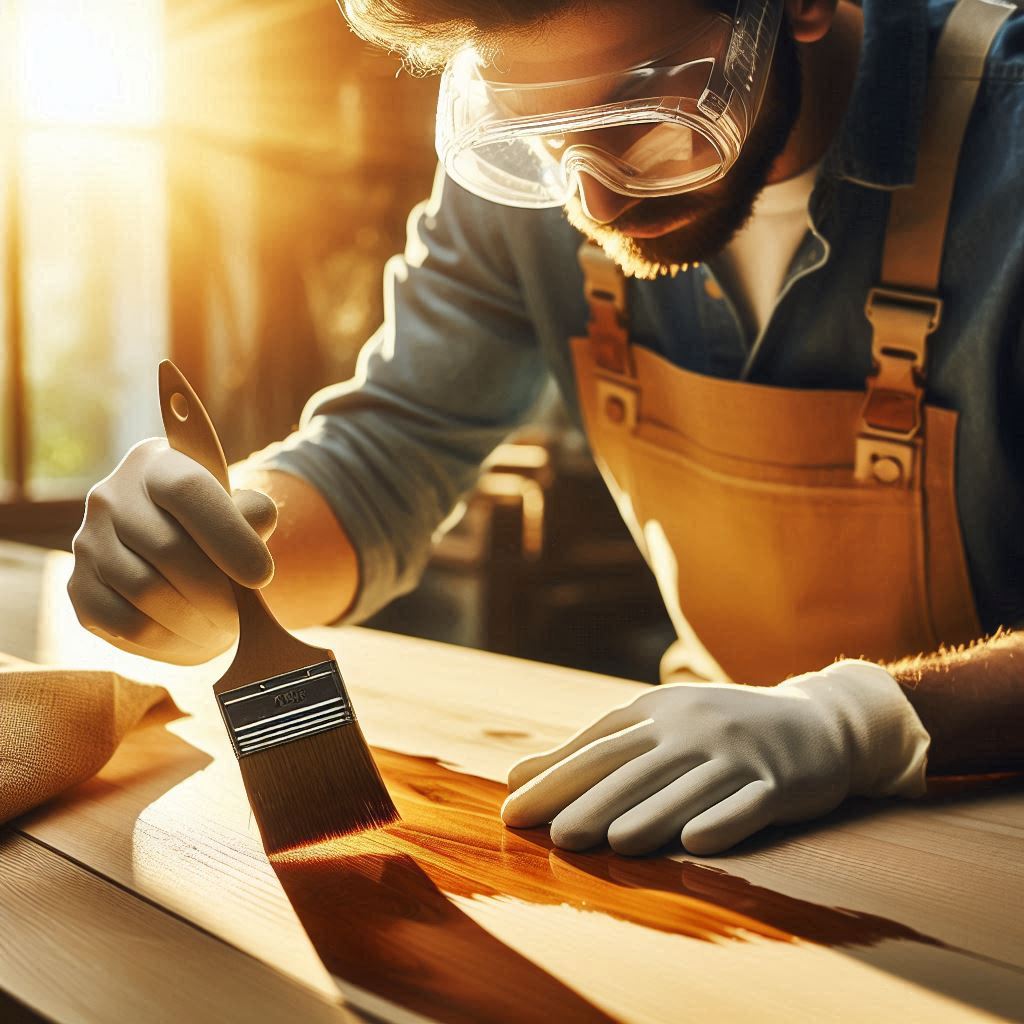
Painting wood: The 5 most common mistakes and how to avoid them
Share
Painting wood: 5 common mistakes and how to avoid them
introduction
Painting wood is a task that excites many DIY enthusiasts and professionals alike. However, despite its apparent simplicity, some common mistakes can occur during the painting process, negatively impacting the final result. To help you successfully complete your projects and enjoy the results for a long time, I've compiled the five most common errors and offer practical tips on how to avoid them.
1. Not preparing the wood properly
A common mistake, often made even before the actual painting process, is inadequate preparation of the wood. Residue from old paint layers or dirt can prevent the new paint from adhering properly and cause it to flake off soon.
Tip:
- Remove old layers of paint and clean the surface.
- Use sandpaper in different grits to smooth the wood.
- Make sure the surface is dry, grease-free, and dust-free.
2. Forgetting the primer
Primer is an often underestimated but essential step in the painting process.
Advantages of the primer:
- Protects the wood from moisture and fungal growth.
- Prevents unsightly discoloration of the paint layer.
Tip:
- Use a suitable primer for your project.
- Allow the primer to dry for 12–24 hours to create an optimal base.
3. Apply only one coat of varnish.
A common mistake is applying only one coat of paint, especially in outdoor projects.
Tip:
- Apply at least three thin coats of varnish.
- Allow each layer to dry completely before applying the next one.
4. Forgetting the intermediate sanding
An intermediate sanding is crucial for a perfect finish. Wood fibers often stand up during varnishing, which makes the surface uneven.
Tip:
- Lightly sand the surface without removing all the paint.
- The intermediate sanding ensures better adhesion and a uniform result.
5. Choosing the wrong paint
Choosing the right paint is crucial for durability and aesthetics.
Tip:
- For outdoor use: Alkyd resin varnishes (resistant to weathering).
- For indoor use: Water-based acrylic paints (fast-drying, low-odor).
- Read the manufacturer's instructions and find out in advance which paint is suitable.
Summary: How to avoid common painting mistakes
- Prepare the wood thoroughly.
- Don't forget the primer.
- Apply several coats of varnish.
- Perform intermediate sanding.
- Choose the right paint.
FAQ – Frequently Asked Questions about Painting Wood
1. Why is preparing the wood so important?
Old layers of paint and dirt prevent the new paint from adhering properly.
2. How long should the primer dry?
12–24 hours to penetrate deep into the wood.
3. Why are multiple coats of paint better?
They offer better protection and a more even finish.
4. What is the purpose of an intermediate grind?
It improves the adhesion of the next coat of paint and ensures a smooth surface.
5. Which paint is best suited for outdoor use?
Alkyd resin varnishes, because they are durable and weatherproof.
6. Can I also use acrylic paint outdoors?
No, acrylic paints are better suited for indoor projects.
7. How can I ensure that the paint adheres well?
Prepare the wood carefully, use primer and perform intermediate sanding.
8. Do I need to sand the wood after each coat of varnish?
A light intermediate sanding improves the adhesion of the next layer.
9. How do I choose the right paint for my project?
Find out about the requirements of your project and choose the paint accordingly.
With these tips, you'll be perfectly equipped to successfully and durably complete your painting project!
Alternatively: Buy a ready-made table directly.
If you don't want to build a table yourself, you can either choose a high-quality tabletop or buy a ready-made table.
Solid wood tabletops
Discover our range of tabletops in various types of wood:
Table tops made of solid wood in oak or ash
Finished tables made of solid wood
Our finished solid wood tables offer various options, including different legs and wood types such as oak and ash: