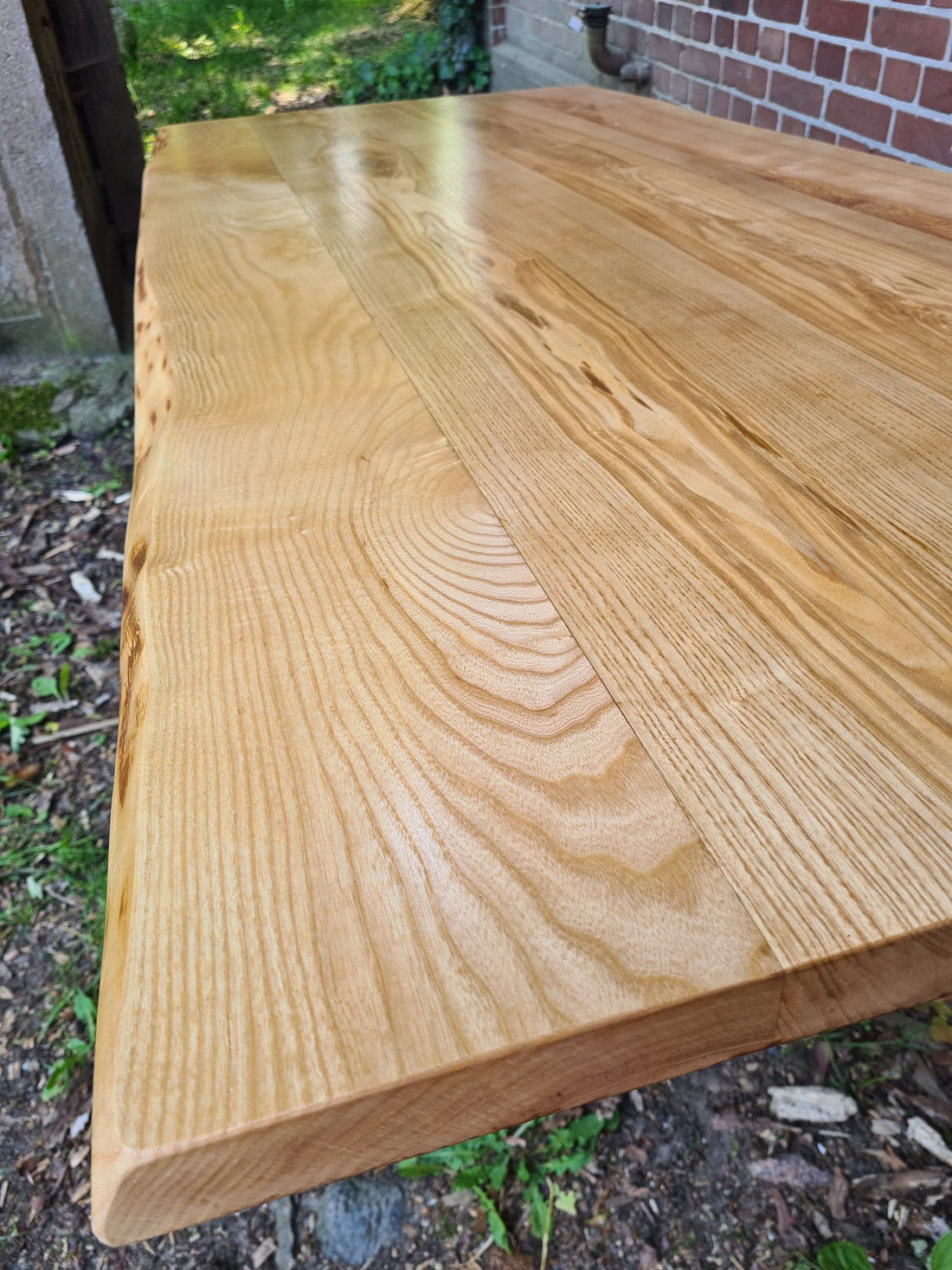
Oiling, waxing, or varnishing wood? – How to treat wood correctly
Share
Oiling, waxing, or varnishing wood? – Advantages and disadvantages
Wooden furniture, floors, and countertops lend a warm, natural atmosphere to any room. To maintain this and protect the wood from moisture, dirt, and daily wear and tear, the right surface treatment is essential. But which method is best? Oiling, waxing, or varnishing? We explain the differences and help you decide.
The three main methods of wood treatment
1. Oiling: Properties of oiled surfaces
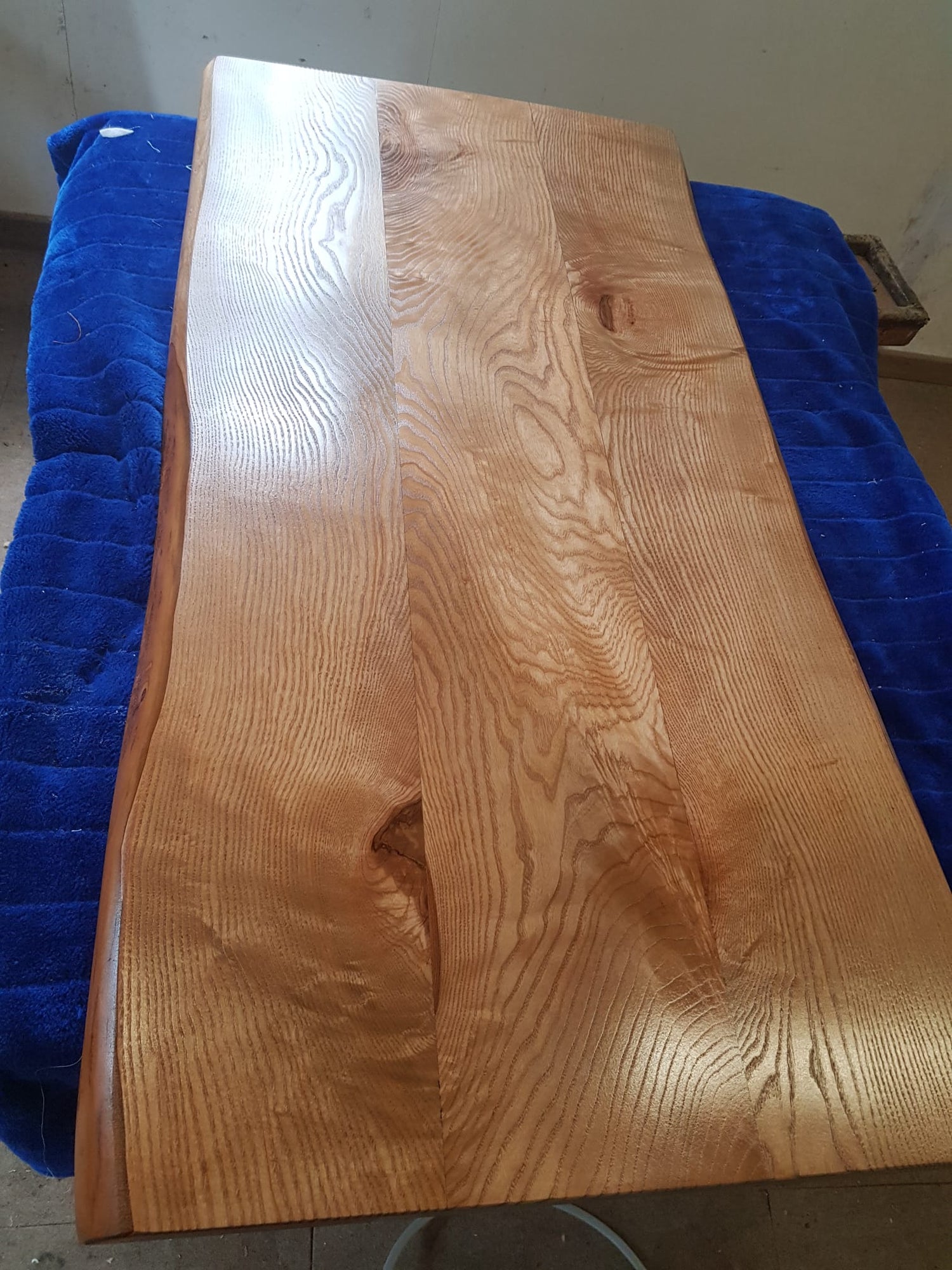
Oiling wood is a way to embrace natural beauty. It accentuates the wood's structure and color, while leaving the surface open-pored. Oiled furniture and floors feel pleasant to the touch and look elegant.
Soaking oils penetrate deep into the wood and form an impregnating protective layer. Unlike varnishes, they do not completely seal the surface – the wood can still breathe.
Advantages of oiling
• Oiled surfaces can be easily refreshed – simply re-oil, and you're done.
• Spot repairs are possible without visible color differences.
Disadvantages of oiling
• Oiled surfaces are only water-repellent, but not waterproof.
• Depending on the level of use, regular re-oiling is necessary – for floors, approximately every 1 to 5 years.
When should you oil wood?
Ideal for solid wood furniture, worktops or floors. Especially where naturalness and ease of repair are required.
2. Waxing: Properties of waxed wood surfaces
Wax gives wood a soft sheen and preserves its natural appearance. Here too, the surface remains open-pored, which can improve the indoor climate.
Advantages of growing
• Wax provides a smooth, pleasantly grippy surface.
• It hardens and therefore offers a certain degree of surface protection.
• Waxed surfaces can be polished and will then shine like new.
Disadvantages of growing
• Wax is sensitive to heat and moisture.
• Repairs are difficult because sandpaper clogs up quickly.
When should you wax wood?
Particularly suitable for protecting stained surfaces or decorative wooden elements with low usage.
Oiling or waxing – which is better?
Both methods preserve the wood's breathability. This improves the indoor climate and creates a pleasant atmosphere. Furthermore, many products now contain natural ingredients – ideal for children's rooms or sensitive areas.
3. Varnishing: Properties of varnished wood surfaces
For maximum durability, choose varnish. It completely seals the surface and reliably protects against moisture, dirt, and abrasion.
Advantages of painting
• Painted surfaces are waterproof and durable.
• They are easy to clean – normal household cleaners are sufficient.
Disadvantages of painting
• Water can penetrate cracks and cause the paint to peel off.
• Repairs are difficult and often clearly visible.
When should you varnish wood?
Lacquer is suitable for stained or veneered furniture. Caution is advised with solid wood, as the wood expands and contracts significantly and this can cause tension in the lacquer.
Sensitivity comparison: Oil vs. paint
How do the surfaces react to liquids?
Untreated wood absorbs liquids like red wine or coffee immediately – the stains usually remain permanently visible. Oiled wood offers somewhat better protection, but caution is still advised. Varnished surfaces, on the other hand, are virtually impervious to stains.
Oiled surfaces
Liquids should be removed immediately. Red wine, in particular, can leave lasting stains if left on for too long.
Painted surfaces
Even after a long time, no edges are visible – the surface is completely sealed.
Removing stains from wooden surfaces
This is how cleaning works – depending on the treatment
On oiled or waxed surfaces, stains can often be sanded down and retreated. This can be done easily and on a case-by-case basis. On painted surfaces, however, the entire surface usually needs to be sanded down and repainted – a significantly more complex process.
Conclusion: Should wood be oiled, waxed, or varnished?
Which method is best depends on appearance, usage, and maintenance requirements.
Our recommendation at a glance
• Naturalness & Repair: Oiling is uncomplicated and ideal for solid wood.
• Light shine & decorative protection: Wax for lightly used furniture or stained surfaces.
• Robustness & ease of care: Lacquer for heavily used surfaces such as veneered furniture or children's room furniture.
Before treating your furniture, consider what will be beneficial in the long run. Good preparation will save you a lot of work later and preserve the wood's natural charm.
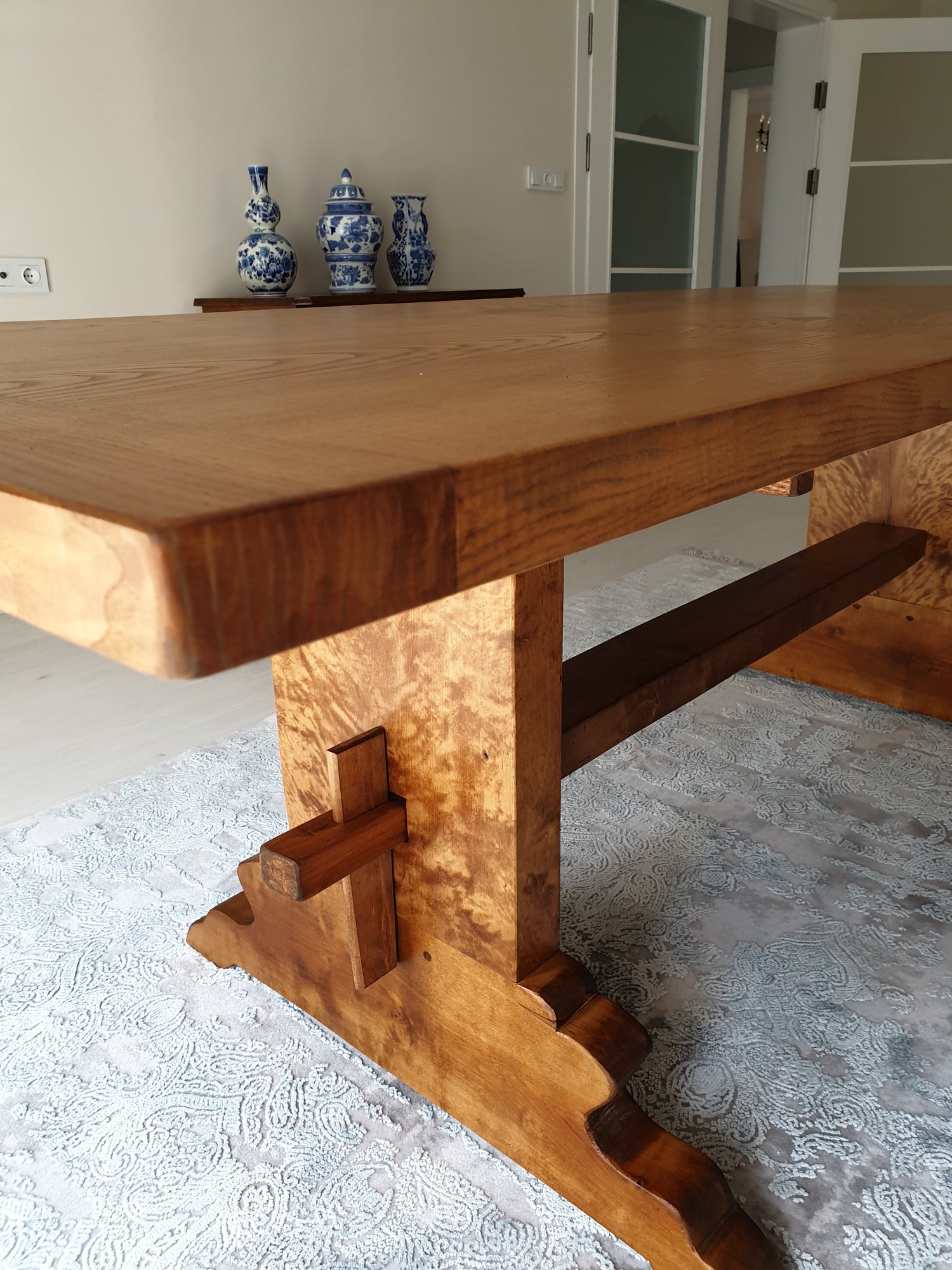
Alternatively: Buy a ready-made table directly.
If you don't want to build a table yourself, you can either choose a high-quality tabletop or buy a ready-made table.
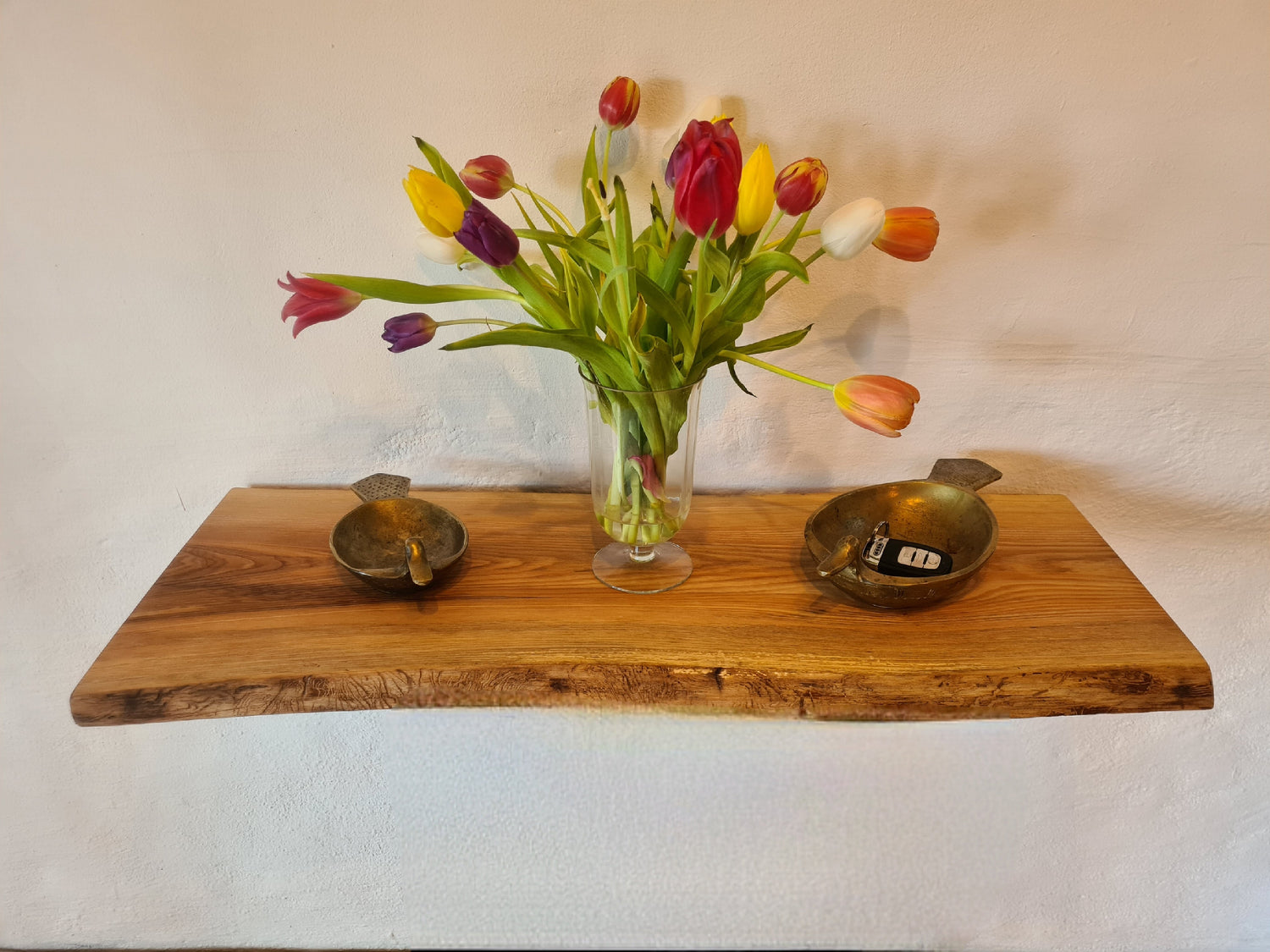
Solid wood tabletops
Discover our range of tabletops in various types of wood:
Table tops made of solid wood in oak or ash
Finished tables made of solid wood
Our finished solid wood tables offer various options, including different legs and wood types such as oak and ash: