Wood and CO₂ reduction: A sustainable solution or should we leave forests untouched?
Wood and CO₂ reduction: A sustainable solution or should we leave forests untouched?
The role of forests in the fight against climate change is undisputed. Trees absorb and store CO₂ as they grow. But how effective is using wood as a building material when it comes to reducing greenhouse gases? And isn't it better to simply let the trees grow and leave the forest untouched? In this article, we examine how using wood as both a CO₂ sink and a building material works and why both are crucial for a low-carbon future.
The double effect: wood products and reforestation
A common belief is that trees should ideally be left standing in nature to sequester as much carbon as possible. While this is an important approach, it's not the whole solution. The sustainable use of wood can achieve even more. When wood is used for building construction or furniture, the carbon it stores remains sequestered for the product's entire lifespan. At the same time, new trees can be planted after harvesting, which in turn absorb CO₂.
Wood products as carbon storage:
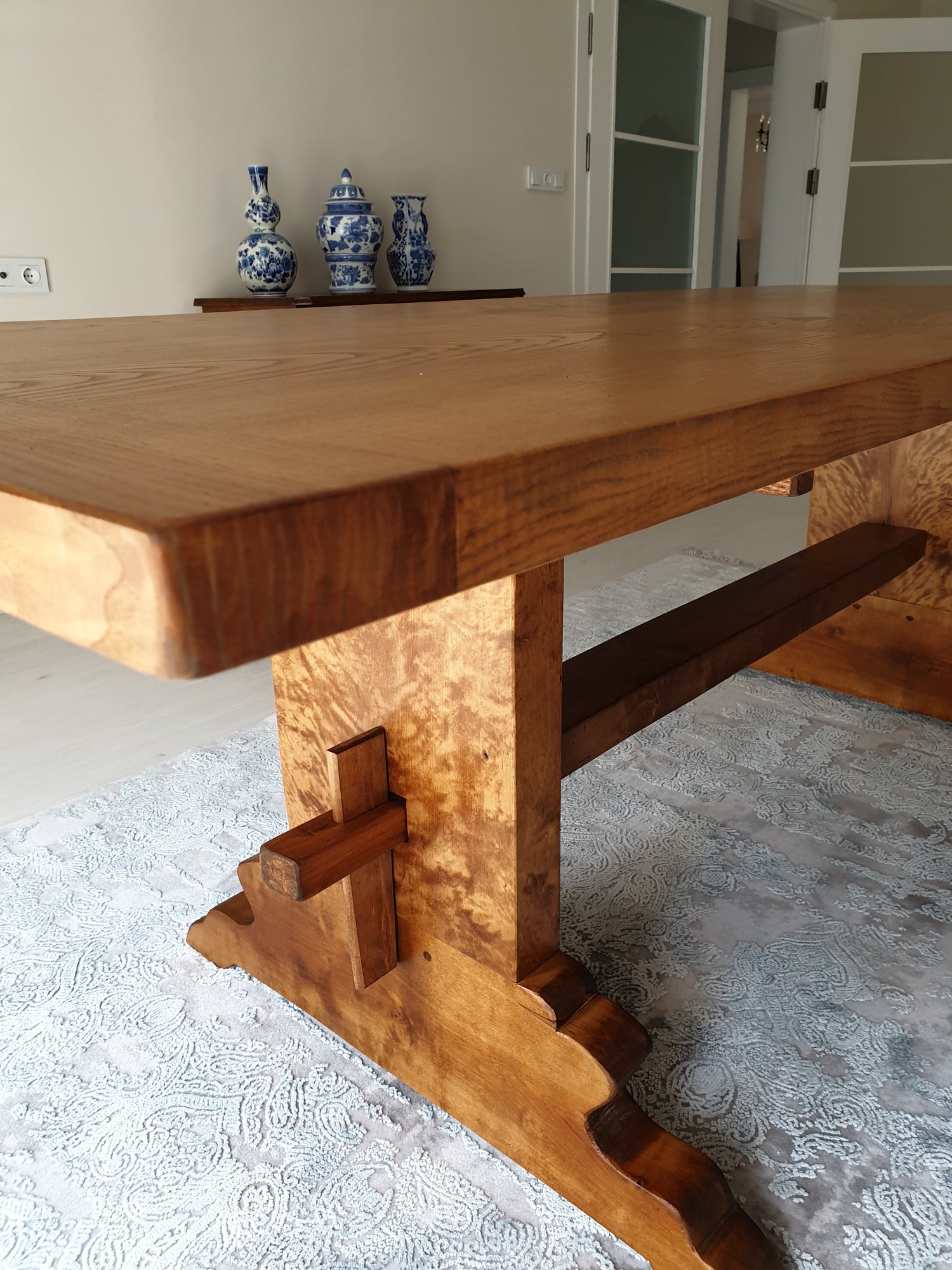
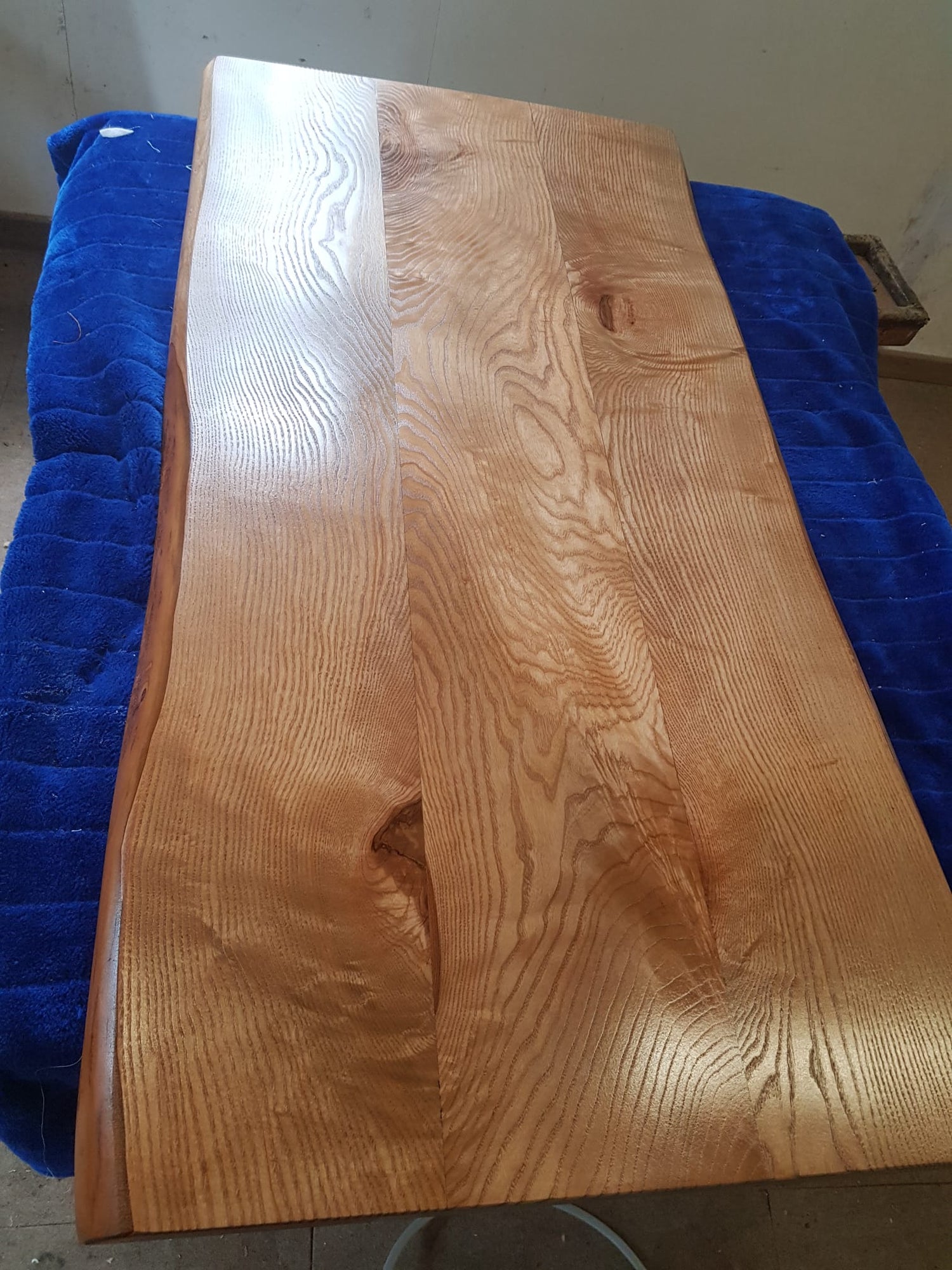
Wood products, such as furniture or buildings, act as carbon sinks for many years. For example, when you buy custom-made wooden tables or tabletops , you actively contribute to reducing the CO₂ concentration in the atmosphere. These pieces of furniture store the carbon that the tree absorbed during its growth for many decades.
The role of forests in a low-carbon future
A report by the Food and Agriculture Organization of the United Nations (FAO) has identified six key strategies for how forests and wood products can contribute to combating climate change. Two of these strategies are particularly relevant:
-
Plant more trees
Reforestation is an essential component in the fight against climate change. Every newly planted tree absorbs CO₂ from the atmosphere over its lifetime, thus contributing to the reduction of greenhouse gases. -
Increase carbon storage in wood products
By integrating more wood products into our daily lives – whether through building wooden houses or buying sustainable furniture – we can further increase the amount of stored carbon. This not only creates durable products but also ensures that the carbon does not return to the atmosphere.
Sustainability and wood as a building material
Using wood as a building material not only offers aesthetic and practical advantages, but also reduces environmental impact compared to other materials such as concrete or steel. Wood production is far less energy-intensive and releases significantly less CO₂. Furthermore, wood products are biodegradable when properly disposed of at the end of their life cycle.
If you are interested in sustainable furniture or washbasins , the Uzun furniture carpentry workshop offers a wide selection of individual and environmentally friendly products that fit perfectly into your home and at the same time contribute to reducing CO₂ emissions.
A cycle of sustainability
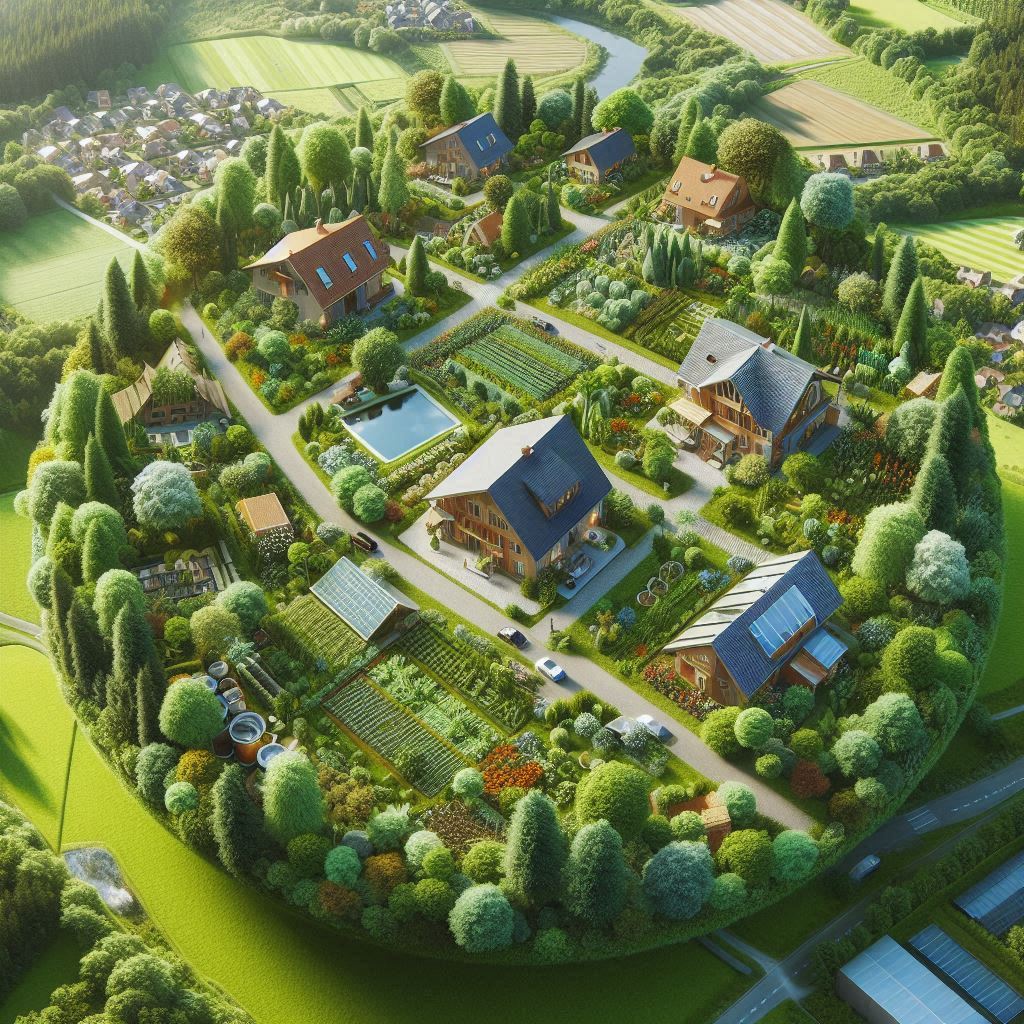
Sustainable timber construction is based on a cycle: While the wood in buildings or furniture stores carbon, new forests are simultaneously planted, which in turn bind CO₂ from the atmosphere. This interaction allows us to use both wood products and forests as effective carbon sinks.
At the same time, it is important to minimize deforestation and forest degradation. Sustainable forestry ensures that only as much wood is harvested as can regrow. This preserves the forest and allows timber production to continue in the long term.
Conclusion: Wood is a win-win solution
Using wood as a building material and simultaneously reforesting offers an effective solution for combating climate change. Forests not only store carbon but also provide a sustainable raw material that, in the form of wood products, further contributes to CO₂ reduction. Instead of choosing one method over the other, we should combine both approaches: using wood sustainably while simultaneously protecting and expanding forests.
If you want to contribute to CO₂ reduction, choose sustainable tables or furniture . The Uzun furniture workshop offers a selection of high-quality, custom-made wooden furniture that is not only environmentally friendly but also stylishly complements any home.
FAQ
1. Is it better to simply let trees grow instead of cutting them down?
Both are important. Trees absorb CO₂ during their growth, but wood products also store carbon for many years. Furthermore, new trees can be planted after harvesting.
2. How long does a wood product store carbon?
Wood products can store carbon for decades, as long as the wood does not rot or burn.
3. Does the use of wood reduce CO₂ emissions compared to concrete and steel?
Yes, the production of wood is far less energy-intensive and therefore has a significantly smaller CO₂ footprint than concrete or steel.
4. What happens to the carbon when wood is burned?
Burning wood releases the carbon stored within it. Therefore, it is important to use wood products for as long as possible.
5. How can I contribute to climate protection by buying wooden furniture?
Wooden furniture stores the carbon that the tree absorbed during its growth, thus contributing to the reduction of CO₂ concentration in the atmosphere.
6. Where can I buy sustainable wooden furniture?
The furniture carpentry company Uzun offers a wide selection of sustainable and custom-made wooden furniture that will fit perfectly into your home.
7. How does the sustainability cycle work for wood?
Sustainable forestry ensures that for every piece of wood harvested, new trees are planted, which then bind CO₂ from the atmosphere.
8. Is wood production harmful to the environment?
Through sustainable forestry and proper forest management, timber production can be made environmentally friendly without damaging the forest.
9. What advantages does wood offer compared to other building materials?
Wood is light, strong, versatile and has a significantly lower CO₂ footprint than other building materials such as concrete or steel.
10. Can I get custom-made wooden tables from sustainable production?
Yes, at the Uzun furniture carpentry workshop you can order individual and sustainable tables.
All statements without guarantee.