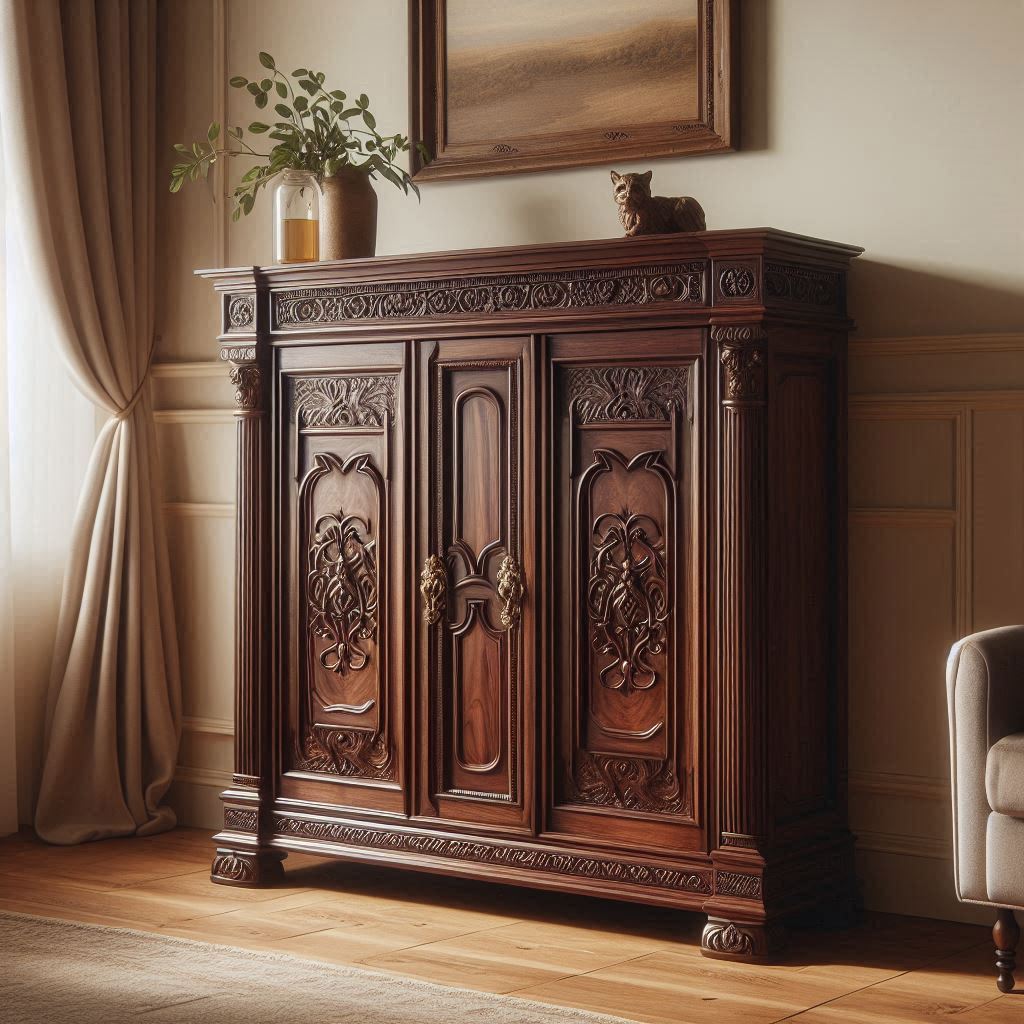
Mahogany – A precious wood with a difficult environmental footprint
One of the most precious woods with a difficult environmental footprint: mahogany
Mahogany has been known for centuries as one of the world's finest woods. Spanish shipbuilders used it as early as the 16th century, and Christopher Columbus is also said to have been impressed by it. However, today mahogany is on the Red List of Threatened Species, and its trade is subject to strict restrictions. Nevertheless, it remains popular due to its unique properties. In this article, we take a closer look at the special characteristics of mahogany, why it is so sought after, and why one should consider sustainable alternatives.
Origins and types of mahogany
Mahogany is not just a tree – it's an entire family. The mahogany family (Meliaceae) comprises about 48 to 50 genera with around 1400 species.
Main types of mahogany
- Swietenia mahagoni (West Indian mahogany): Grows mainly in the Caribbean.
- Swietenia macrophylla (American mahogany): Found in Florida and South America.
These trees thrive in tropical regions with hot, humid conditions. Mahogany has become a symbol of tropical deforestation, so caution is advised when buying tropical hardwoods. Native wood species such as cherry or walnut offer a sustainable alternative.
Properties of mahogany
Mahogany is an evergreen tree that can grow up to 70 meters tall. Its wood impresses with a stunning combination of appearance and durability.
Key properties of mahogany
- Colour: The heartwood has a characteristic brownish-red colour with a golden sheen that darkens in the light.
- Sapwood: Light grey to yellowish grey.
- Density and hardness: Moderately dense, medium-heavy to hard.
- Weather resistance: Very durable, ideal for outdoor use.
- Durability class: Class 2 – relatively durable and resistant to weathering.
- Resistance: Excellent against insect and fungal infestation.
These properties make mahogany versatile, suitable for furniture, boats and luxury interiors.
Fruit, seed and flower of the mahogany tree
The mahogany tree first blooms after about 12 years.
Natural reproductive strategy
- Flowers: Small, yellow flowers that are pollinated by insects.
- Fruits: Oblong fruits that ripen during the rainy season.
- Seeds: Winged, so that they can be carried by the wind up to 100 meters away.
Although mahogany possesses impressive reproductive mechanisms, it grows very slowly, which makes regeneration difficult.
Combinations with mahogany
Mahogany is a distinctive wood, notable for its reddish color.
Suitable combinations
- Wood types: Beech, cherry or larch go well with mahogany, although different darkening rates should be taken into account.
- Colors: Dark pink, blue-green, or apricot add interesting accents. Subtle tones like cream, beige, or light brown are suitable for a simple design.
Avoid combining too many types of wood in one room – less is more.
Use and care of mahogany
Mahogany is frequently used for high-quality furniture.
Typical uses
- Furniture: Chests of drawers, desks, sideboards.
- Building elements: windows, doors, gates.
- Veneers: Give interiors a luxurious look.
Mahogany Care
- Regular treatment with wood care products such as wax or oil.
- Protection against moisture to increase durability.
Mahogany veneers and furniture can retain their elegant shine for years with proper care.
The processing of mahogany
One advantage of mahogany is its uncomplicated processing.
Tips for processing
- Drying: It dries and processes easily.
- Tools: Use carbide tools for precise results.
- Sustainability: Look for FSC-certified wood, which guarantees responsible forest management.
Alternatives such as Khaya, Sapeli or Sipo mahogany offer similar properties and are often more sustainable.
Advantages and disadvantages of mahogany
Advantages
- Elegant appearance and unique coloring.
- Very durable and weather-resistant.
- Easy to work with and hardly warps.
Disadvantages
- Slow growth and a poor environmental footprint.
- High price and difficult availability.
- Reforestation is made more difficult by the wide spacing between the trees.
Prices of mahogany
Mahogany is among the most expensive woods in the world.
Price range
- Cost: 3,800 to 4,000 euros per cubic meter.
- Reasons: Rarity and protective measures against illegal logging are driving up prices.
For a more sustainable and cost-effective alternative, it is worth taking a look at local wood species or African substitute woods.
FAQ – Frequently Asked Questions
1. Is mahogany sustainable?
No, mahogany has a poor environmental record, as rainforests are often cleared for its extraction.
2. Are there alternatives to mahogany?
Yes, native woods such as cherry or walnut, as well as African woods such as Sipo mahogany, offer similar properties.
3. Why is mahogany so expensive?
Its rarity, slow growth, and strict trade regulations make mahogany one of the most expensive woods in the world.
4. How do you properly care for mahogany?
Regular care with wax or oil protects the wood and enhances its natural color.
5. What is mahogany used for?
Mahogany is used in furniture, window frames, doors and shipbuilding.
6. Which colors go well with mahogany?
Warm tones such as cream, beige and light brown, as well as accent colors such as blue-green or apricot.
7. Can I process mahogany myself?
Yes, with carbide tools and some experience, mahogany can be easily worked.
8. Is mahogany weatherproof?
Yes, mahogany is weather-resistant and ideally suited for outdoor use.
With this knowledge, you can better decide whether mahogany is the right choice for your project – or whether you would prefer to opt for a sustainable alternative.
Alternatively: Buy a ready-made table directly.
If you don't want to build a table yourself, you can either choose a high-quality tabletop or buy a ready-made table.
Solid wood tabletops
Discover our range of tabletops in various types of wood:
Table tops made of solid wood in oak or ash
Finished tables made of solid wood
Our finished solid wood tables offer various options, including different legs and wood types such as oak and ash: