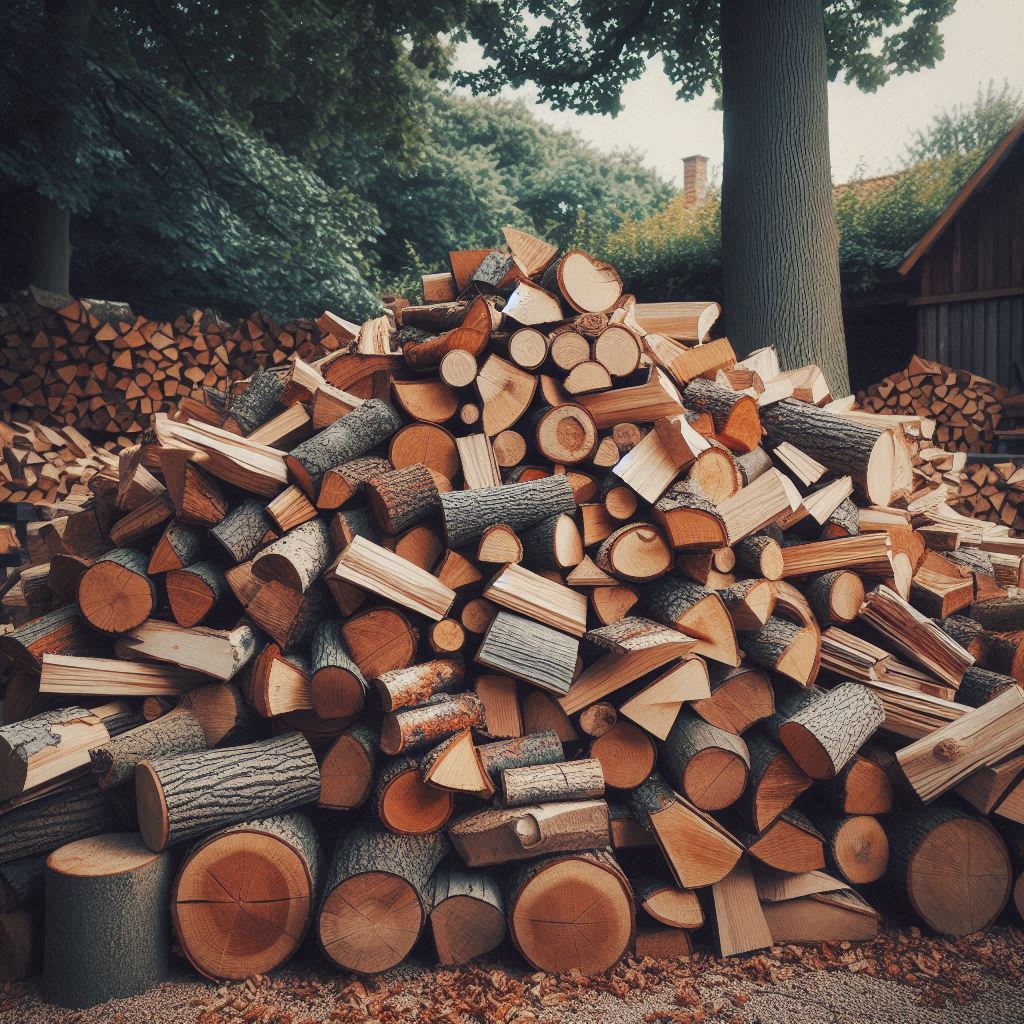
What type of wood should you use for heating? A comprehensive guide.
Comprehensive guide on the topic: Heating with wood
When heating with wood, there are numerous types of wood available, each offering different advantages depending on the stove and personal preferences. But which wood is best for your stove? And how exactly do the calorific value and heating value of wood differ? In this blog post, we'd like to introduce you to the most important types of wood for fireplaces and stoves and explain their properties.
The best types of wood for heating
Not all wood is created equal – there are many different types, each with its own combustion properties. Whether you're looking for consistent heat, a pleasant aroma, or simply wood that ignites easily – here you'll find out which type of wood is best suited to your needs.
Beech: The classic among firewoods
Beechwood is among the most popular hardwoods for wood-burning stoves. It is characterized by its high density, which means it burns very slowly and provides long-lasting heat.
- Advantages: Uniform burning behavior, low sparking, easy to split.
- Especially suitable for: Closed stoves and fireplaces.
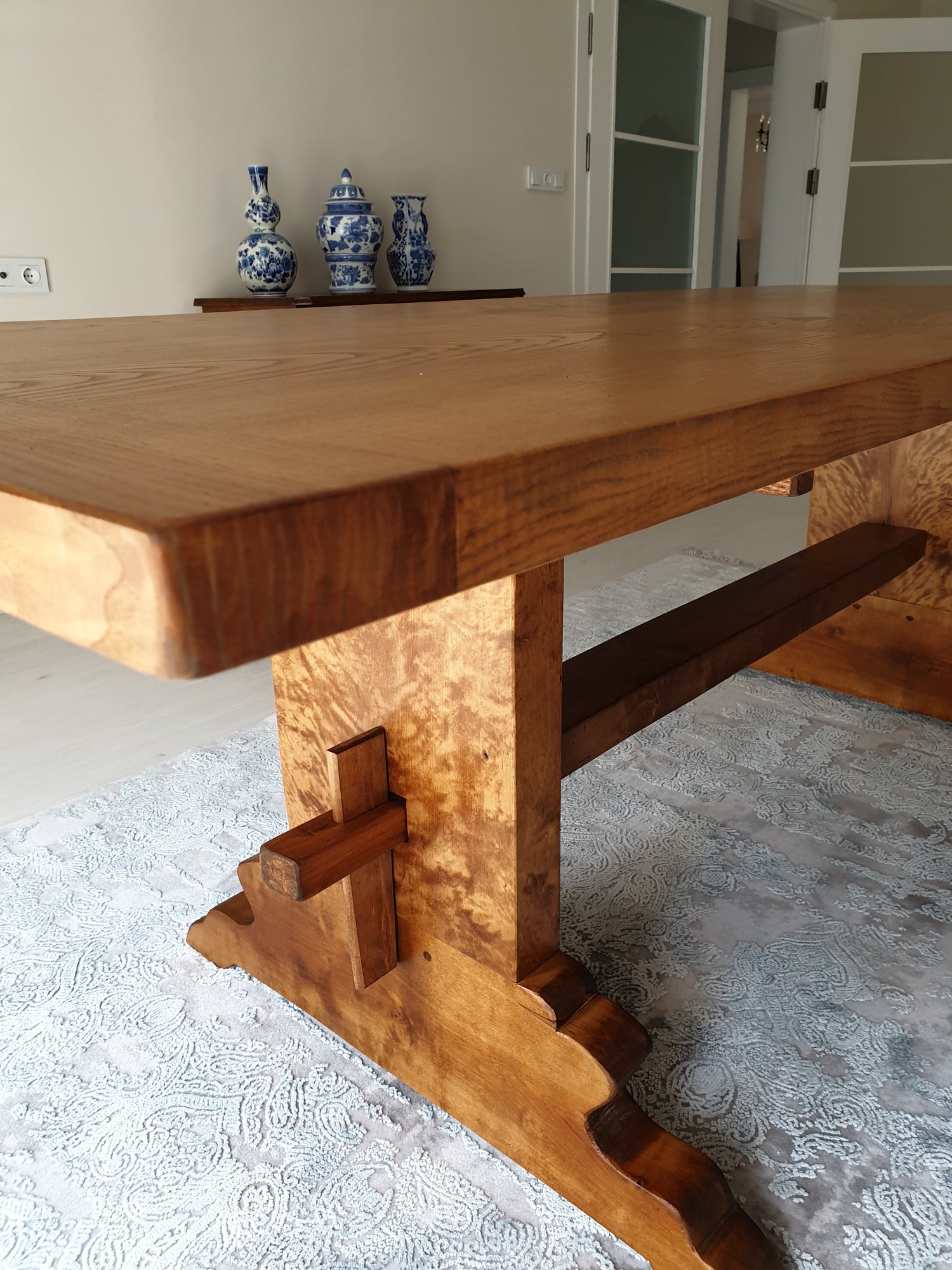
If you are looking for a custom-made table made of robust wood such as beech, a visit to moebeltischlerei-uzun.de might be worthwhile.
Oak: High calorific value, long embers
Oak wood is also a hardwood with excellent calorific value and is ideal for longer heating periods.
- Features: Excellent ember formation, high heat retention.
- Special feature: The high tannin content requires good air supply to prevent the chimney from becoming clogged with soot.
Ash: For beautiful flame patterns
Ash wood is also a hardwood and impresses with:
- Advantages: High calorific value, attractive flame pattern, little sparking.
- Disadvantage: It is difficult to split, which makes it unpopular with some fireplace owners.
Birch: Pleasant scent and rapid inflammation
Birch wood is a softwood with a lower calorific value, but offers special advantages:
- Characteristics: Pleasant fragrance due to essential oils, highly flammable bark.
- Application: Ideal for shorter heating intervals or for lighting fires.
Kiefer: Crackling and sparks
Pine wood is a softwood and is characterized by:
- Characteristics: High resin content, characteristic crackling sound when burning.
- Disadvantage: Tends to spark – better used in closed ovens.
Spruce: Affordable and effective for closed stoves
Spruce wood is another softwood characterized by the following properties:
- Advantages: Inexpensive, highly flammable.
- Disadvantage: Burns quickly, therefore more suitable for shorter heating periods.
- Tip: Ideal in combination with hardwoods to optimize heating performance.
Heating value and calorific value – what is the difference?
Two key terms that repeatedly arise when discussing wood heating are calorific value and heating value. Both values indicate how much energy is stored in a particular piece of wood, but in different ways.
Calorific value: Energy in dry wood
The calorific value describes the energy released when completely dry wood is burned. It is expressed in kilojoules per kilogram and indicates how much heat energy is available per kilogram of wood.
Calorific value: Energy taking moisture into account
The calorific value also takes into account the moisture content of the wood. Since some energy is consumed when the water evaporates, the calorific value is always lower than the heating value.
Tip: For most efficient heating, the moisture content of the wood should be below 20%. An optimal residual moisture content is between 12 and 14%.
Storing firewood: Important tips
Proper storage is crucial to ensure that the wood can develop its full heating potential.
How to store firewood correctly
- Dry and airy: Store the wood in a well-ventilated and sunny place.
- Storage time: Hardwoods such as beech and oak need 2-4 years to dry, softwoods such as birch or pine only 2-3 years.
Due to their dense structure, hardwoods are particularly well suited for longer storage periods, as they dry out more slowly and can therefore be used for longer.
Conclusion: Which wood is suitable for your oven?
Choosing the right firewood depends on many factors – from the type of stove, personal preferences, and the types of wood available.
- Hardwoods such as beech and oak offer long-lasting warmth and are suitable for closed stoves.
- Softwoods such as birch and pine are ideal for shorter heating intervals or as kindling.
A well-balanced ratio between heating value, calorific value and individual needs ensures the best heating experience.
FAQ: Frequently asked questions about heating with wood
1. How long does wood need to dry before it can be burned?
Hardwoods such as beech and oak take about 3-4 years, softwoods such as birch or pine about 2-3 years.
2. What is the difference between heating value and calorific value?
The calorific value describes the energy of dry wood, while the gross calorific value takes the moisture content into account.
3. Which type of wood is best suited for open fireplaces?
Ash or beech wood are ideal because they produce little sparking and burn evenly.
4. What is the best wood for kindling?
Birch bark is highly flammable and also well-suited for use in damp conditions.
5. Can I burn fresh wood directly in the oven?
No, fresh wood should not be burned. The high moisture content reduces its heating efficiency and promotes soot formation.
6. What is the best way to store my firewood?
Firewood should be stored in a dry, sunny and well-ventilated place – ideally protected from rain.
7. Why is beech wood so popular?
Beechwood offers a high calorific value, burns evenly and produces little sparking.
8. Which wood is suitable for long heating seasons?
Oak wood retains the embers for a long time and ideally stores the heat for extended periods.
9. Are there any types of wood that are not suitable for fireplaces?
Coniferous woods with a high resin content are less suitable, as they can cause sparks.
10. Which wood is the cheapest?
Spruce wood is inexpensive and well suited for closed ovens.
This way you are fully informed about which wood is the best choice for your fireplace or stove!
Alternatively: Buy a ready-made table directly.
If you don't want to build a table yourself, you can either choose a high-quality tabletop or buy a ready-made table.
Solid wood tabletops
Discover our range of tabletops in various types of wood:
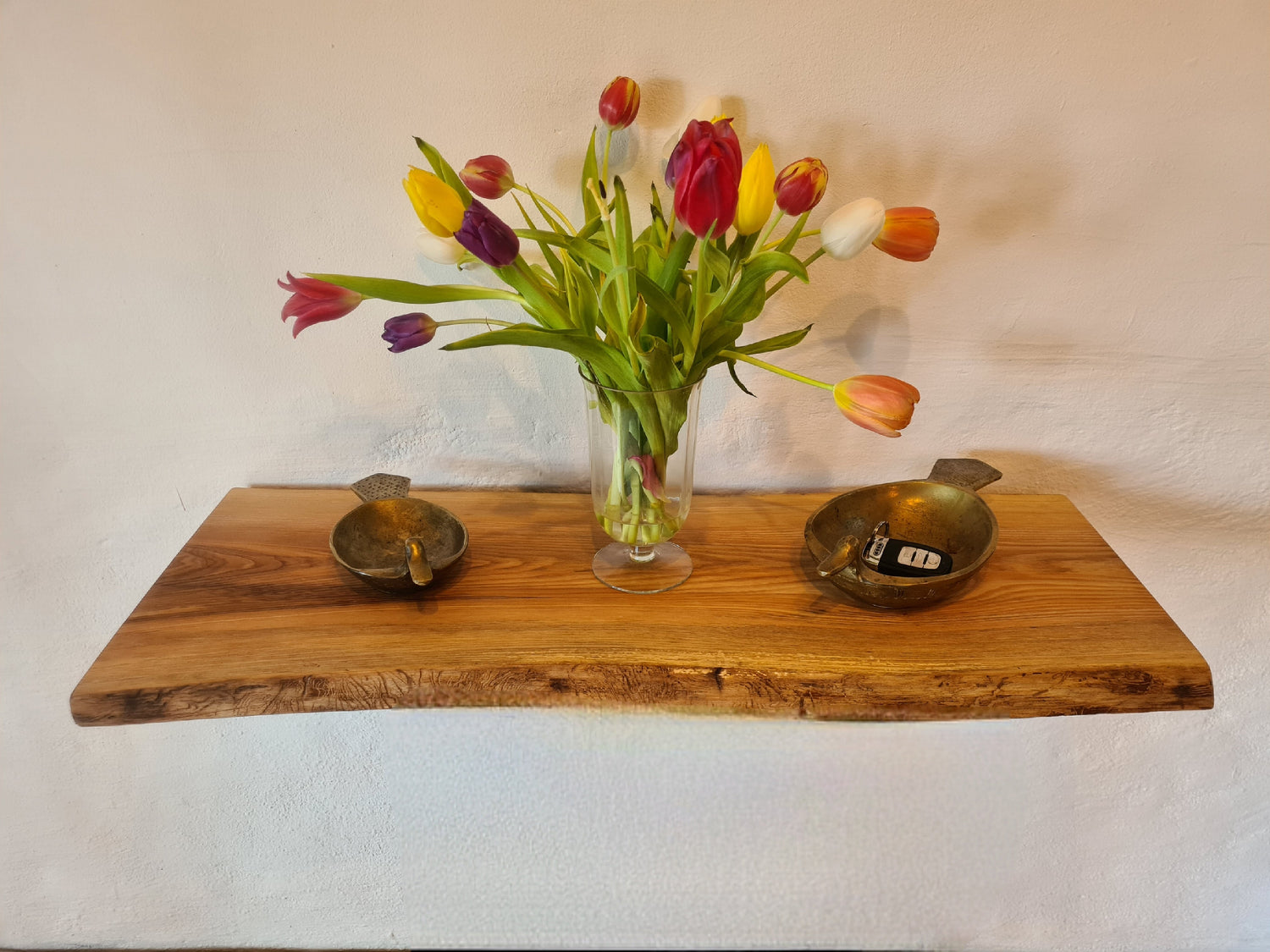
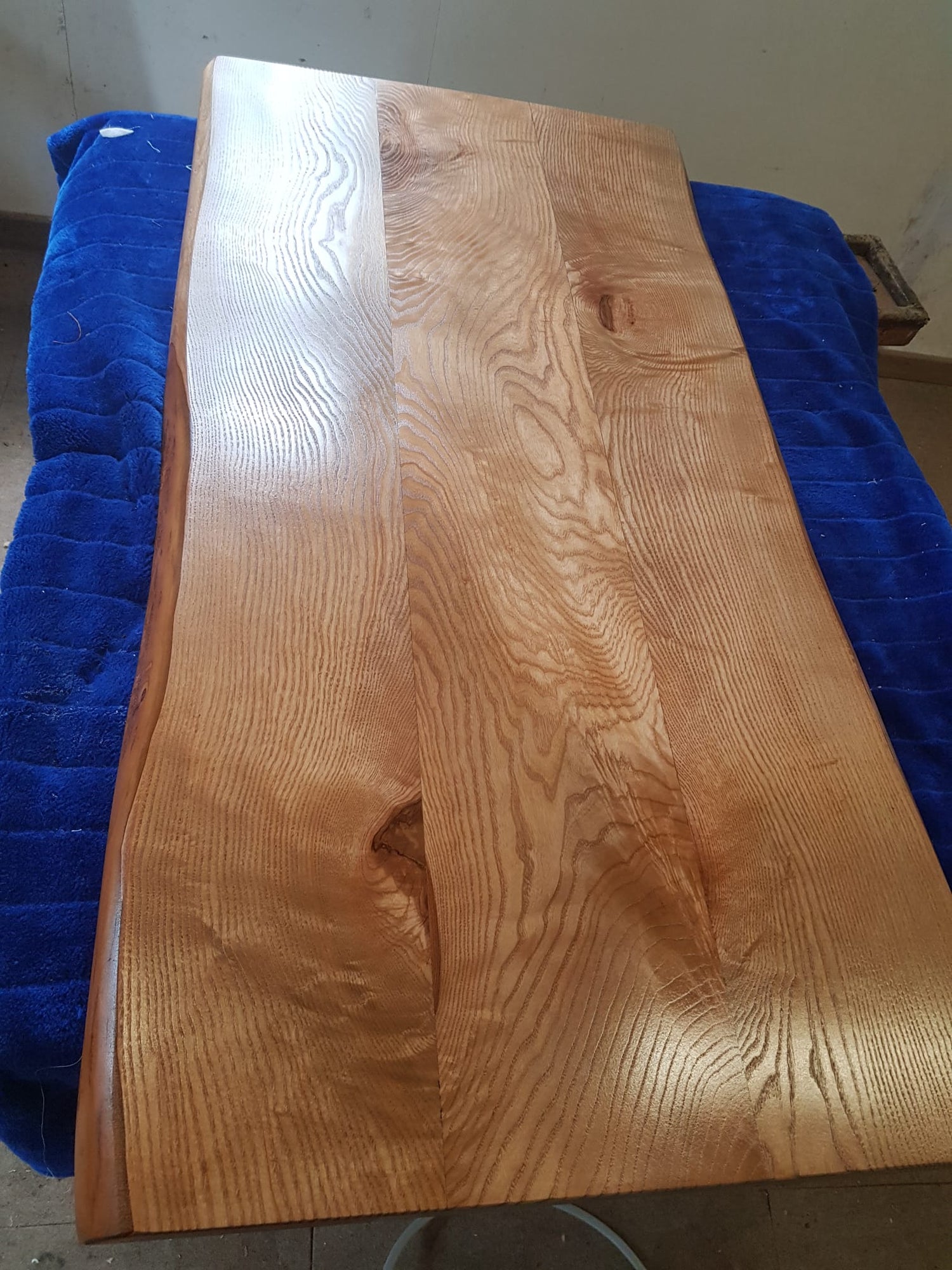
Table tops made of solid wood in oak or ash
Finished tables made of solid wood
Our finished solid wood tables offer various options, including different legs and wood types such as oak and ash: