
Sustainable forestry: Is cutting down trees really a disadvantage for carbon storage?
Sustainable forestry: Is cutting down trees really a disadvantage for carbon storage?
The question repeatedly arises whether felling trees for the production of wood products impairs the ability of forests to store carbon. At first glance, it may seem paradoxical that we cut down trees to protect the environment. But the answer lies in the way forests are managed and how wood products interact with the carbon cycle.
Wood as a long-term carbon sink
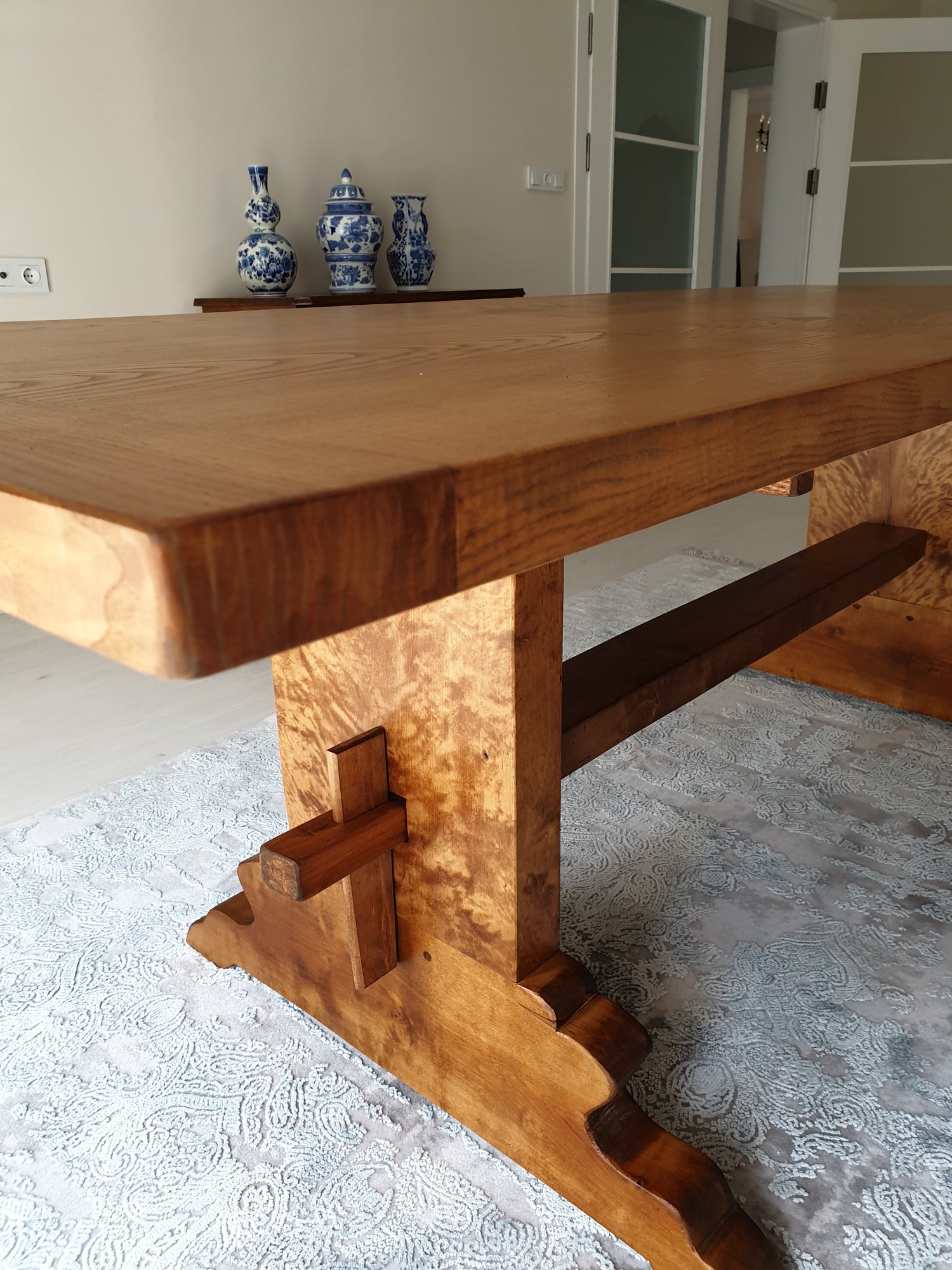
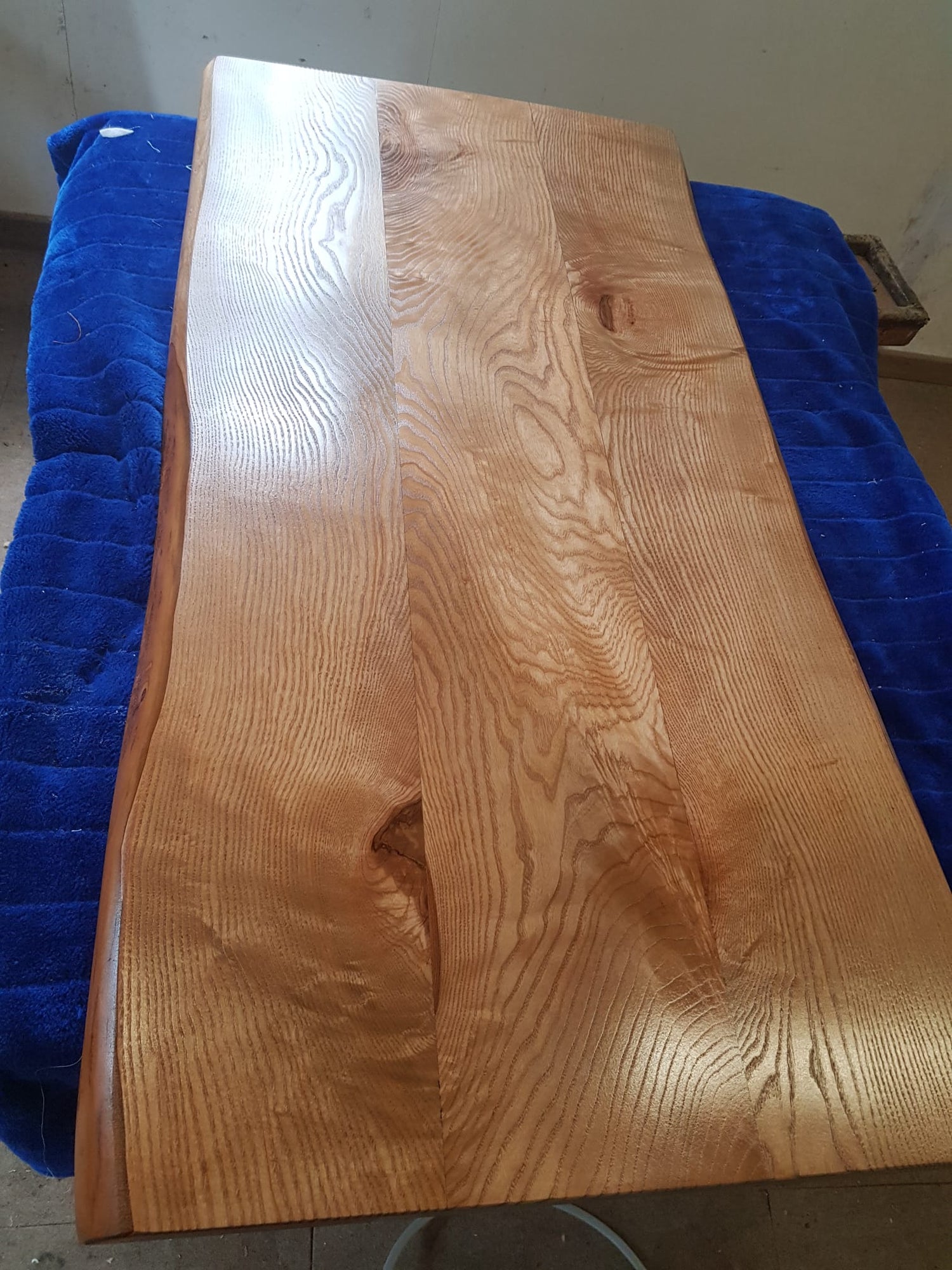
Wood is a natural material that absorbs carbon from the atmosphere as trees grow. This carbon remains stored in the wood even after the tree has been felled and the wood processed into products such as furniture or building materials. Furniture pieces like custom-made tables or tabletops retain this carbon for decades, as long as they are in use.
The cycle of harvesting and replanting
Forestry follows a cycle of harvesting and replanting. While felling trees creates short-term gaps in the forest's carbon stock, these gaps are quickly filled by new seedlings. Younger trees grow particularly fast and absorb CO₂ from the atmosphere more efficiently than older trees. This cycle ensures that the forest remains an effective carbon sink and that nature is not permanently damaged.
Sustainable forestry ensures the long-term health of the forest and provides the necessary resources for timber production. This helps to maintain a balance between use and conservation.
Wood products as part of the solution
Wood products offer a lasting way to store carbon. While the tree grows rapidly and absorbs carbon in its youth, this carbon is stored in furniture or building projects. Wood products like furniture can therefore be an integral part of a sustainable and environmentally friendly lifestyle. Instead of relying on energy-intensive materials like concrete or steel, using wood helps to reduce CO₂ emissions.
Sustainability and furniture production
Many people are unaware of the importance of sustainable forestry when buying furniture. By choosing products made from environmentally friendly wood, we can actively contribute to environmental protection. The Uzun furniture workshop offers a wide selection of sustainable wooden furniture that is not only aesthetically pleasing but also helps reduce carbon emissions.
How does wood production affect carbon storage?
There is ongoing debate about whether deforestation depletes carbon stocks in forests. However, studies have shown that carbon emissions from forestry activities – such as felling and transporting timber – are very low, especially when compared to the benefits of long-term carbon storage in wood products. Carefully planned timber harvesting combined with sustainable management ensures that the benefits significantly outweigh the drawbacks.
Conclusion: The forest as a sustainable resource
Sustainable forestry is a key element in combating climate change. Harvesting trees for wood products does not necessarily have to negatively impact carbon storage, as long as a cycle of harvesting and replanting is maintained. By using wood products, we contribute to carbon storage while simultaneously supporting healthy forest management.
If you're looking for durable and sustainable furniture or vanities , make sure they're made from environmentally friendly wood. This way, you can not only decorate your home stylishly but also contribute to protecting the environment.
FAQ
1. How can cutting down trees contribute to carbon storage?
Felling trees and using wood products binds the carbon stored in the trees long-term. At the same time, new trees can be planted, which in turn absorb CO₂.
2. Isn't cutting down trees harmful to the environment?
As long as sustainable forestry practices are followed, the forest remains healthy and can continue to serve as a carbon sink. New trees grow back and bind CO₂ again.
3. How does wood store carbon in furniture?
Wooden furniture such as tables or tabletops store the carbon that the tree absorbed during its growth and no longer releases it into the atmosphere.
4. Is wood more environmentally friendly than concrete or steel?
Yes, the production of wood is more energy-efficient and releases less CO₂ than the production of concrete or steel.
5. How does sustainable forestry support climate protection?
Regular harvesting of trees and simultaneous replanting preserves the forest as a carbon sink, while wood products bind carbon in the long term.
6. Why do young trees grow faster?
Young trees go through a phase of vigorous growth, in which they absorb a particularly large amount of CO₂ from the atmosphere in order to grow quickly.
7. What happens to the carbon in wood products when they are disposed of?
As long as wood products are not burned, the carbon remains bound in the wood. Recycling and reusing wood products extends this storage effect.
8. Can I contribute to CO₂ reduction by buying wooden furniture?
Yes, buying sustainable wooden furniture helps to permanently store carbon and avoid the use of energy-intensive materials.
9. Where can I buy sustainable wooden furniture?
The furniture carpentry company Uzun offers a wide variety of sustainable furniture pieces that are produced individually and in an environmentally friendly manner.
10. Is it better to simply let trees grow instead of cutting them down?
Both are important: trees should grow to bind CO₂, but the use of wood products also helps to store carbon in the long term.
All statements without guarantee.