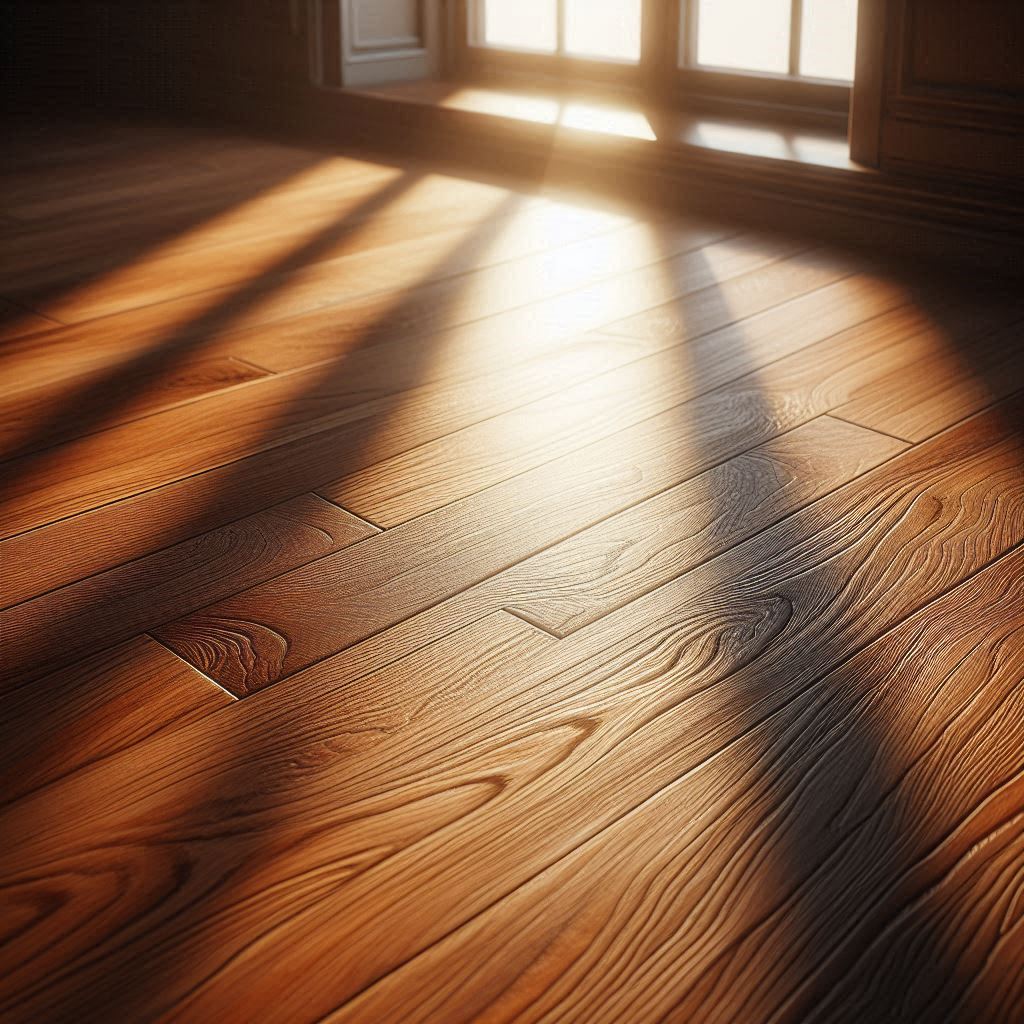
Different types of wood: Which are best suited for your flooring?
Wooden floors – A timeless trend for your home
Introduction
Wooden floors are enjoying increasing popularity, as hardly any other floor covering creates so much warmth, comfort, and natural aesthetic appeal. Solid wood parquet and plank flooring, in particular, are currently experiencing a true renaissance. These classic floor coverings are among the oldest forms of floor design and impress with their timeless elegance and durability.
A high-quality wood floor is an investment for life. Even relatively simple pine planks, installed in less frequently used rooms and regularly maintained, can last for decades. But with the wide variety of wood types and properties, the question arises: Which wood is right for which room?
The advantages of wooden floors
Natural elegance and a feel-good atmosphere
Wooden floors lend a natural appeal to any room. The unique grain and warm tones of the wood create a comfortable living atmosphere that is hard to beat.
Durability and sustainability
A well-maintained wooden floor can last for decades – some even a lifetime. Furthermore, wood is a renewable resource and, with responsible forestry practices, represents an environmentally friendly choice.
Adaptability through restoration options
Wooden floors are valued for their restorability: Damaged or worn floors can be sanded and resealed. The result is a floor that looks like new again, without compromising its functionality.
Warm feet and improved indoor climate
Wood is a natural conductor of heat and remains pleasantly warm to the touch even on cool days. Furthermore, wood helps regulate humidity and ensures a healthy indoor climate.
Not always the best choice
As advantageous as wooden floors are, there are situations in which they are not the optimal choice.
Restrictions in damp rooms
Caution is advised in bathrooms or other wet rooms, as wood is sensitive to moisture. While there are more resistant types of wood, alternative flooring such as tiles or vinyl is generally recommended in such areas.
Pets and wood
Dog owners in particular should choose a robust type of wood. Scratches from dog claws can quickly become visible on softer woods. Regular maintenance and suitable surface sealants help prevent damage.
Different types of wood – the agony of choice
Choosing the right wood is crucial, as the type of wood affects both the appearance and the durability of the floor.
Spruce, larch or pine – the conifers
Coniferous woods are an inexpensive and visually appealing choice for living spaces with normal use.
- Spruce : Very light wood with a subtle grain. It gives rooms a light, friendly atmosphere, but is rather soft and therefore less durable.
- Pine : Slightly harder than spruce and with a more pronounced grain. This wood is particularly popular with lovers of rustic designs.
- Larch : Distinctive and versatile in color – from reddish-brown to rich wood tones. Larch wood is significantly denser than spruce and pine, and therefore more durable.
Oak – The classic among floorboards
Oak is one of the most popular types of wood for wooden floors.
- Properties : Medium to heavy wood that is elastic, robust and resistant to moisture and rot.
- Areas of application : Due to its durability, oak is suitable for both private living areas and commercially used spaces.
- Appearance : With its golden-brown color and vibrant grain, oak harmonizes particularly well with the country house style.
Precious woods: maple, robinia and chestnut
Precious woods not only offer a luxurious look, but also impress with their outstanding properties.
- Maple : Robust and elastic, with high compressive strength. Its light color lends elegance and spaciousness to rooms. Ideal for high-traffic living areas.
- Chestnut : Low susceptibility to wear and tear and a light, friendly color that makes rooms appear larger. However, chestnut tends to change color under intense light exposure.
- Robinia : One of the hardest native woods, particularly durable and long-lasting. Its uniform structure makes it a popular choice for high-traffic areas.
Beech – The favorite for living spaces
- Color and appearance : With its warm, reddish color, beech is a favorite for interiors.
- Characteristics : Although robust, beech is sensitive to moisture. Humidity levels in rooms with beech floorboards should always be carefully monitored. Solid beech is less suitable for underfloor heating; however, engineered wood flooring is a good alternative.
Douglas fir – The all-rounder among wooden planks
The Douglas fir impresses with its versatility:
- Areas of application : Suitable for both indoor and outdoor use.
- Properties : Hard, elastic, resistant to swelling, shrinkage, fungi and insects.
- Maintenance : Without regular maintenance, Douglas fir develops a patina and can turn gray. Those who wish to preserve the original color should treat the wood regularly.
Conclusion
Each type of wood has its own strengths and weaknesses. Therefore, it's important to carefully match the flooring to the requirements of the respective rooms. While softwoods like spruce and pine are more suitable for less frequently used living areas, oak, maple, and Douglas fir offer high durability, even under heavy use.
A wooden floor is a long-term investment that, with proper care, can bring joy for many years. It's best to consult a professional to find the perfect solution for your home!
Alternatively: Buy a ready-made table directly.
If you don't want to build a table yourself, you can either choose a high-quality tabletop or buy a ready-made table.
Solid wood tabletops
Discover our range of tabletops in various types of wood:
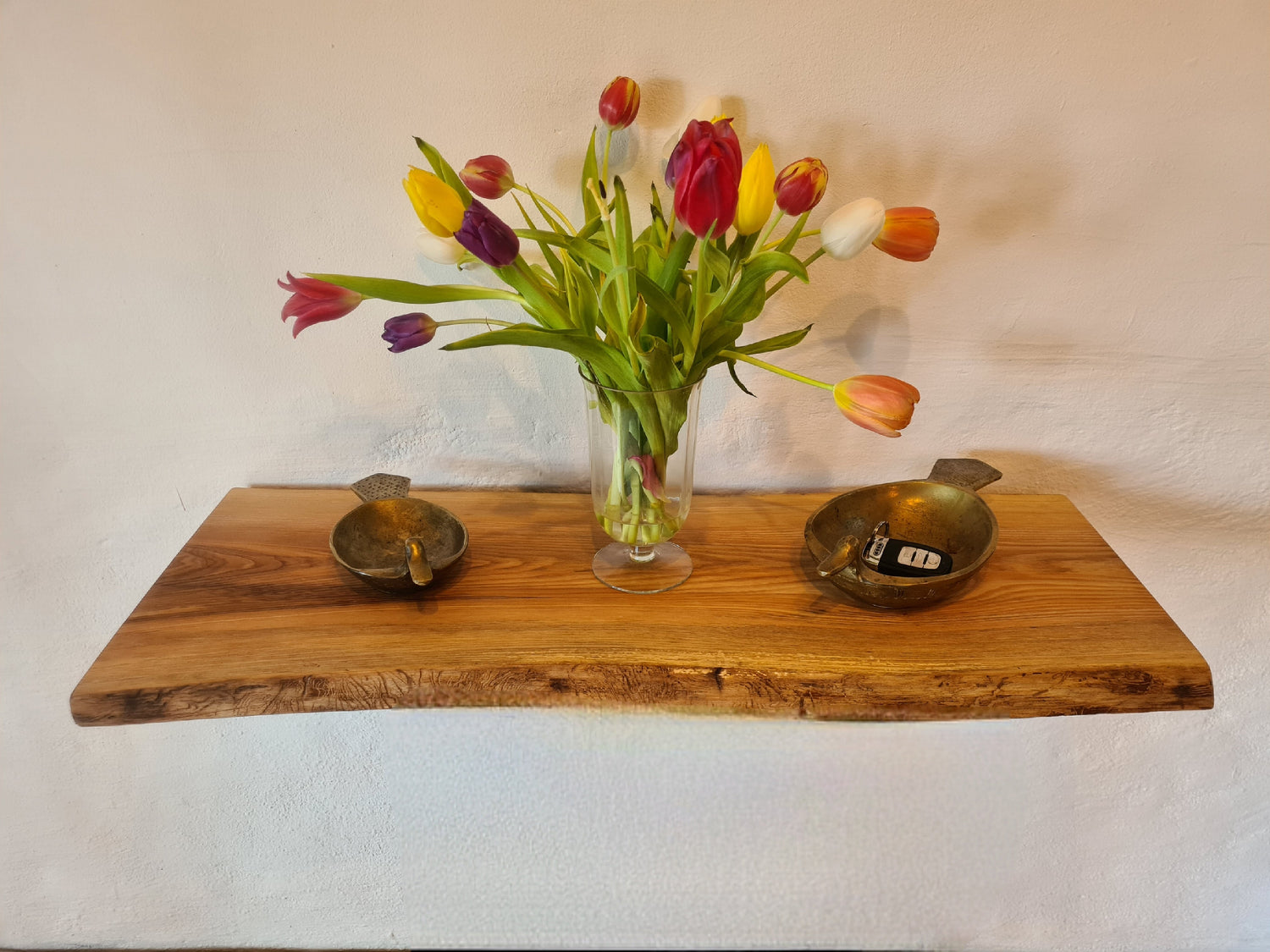
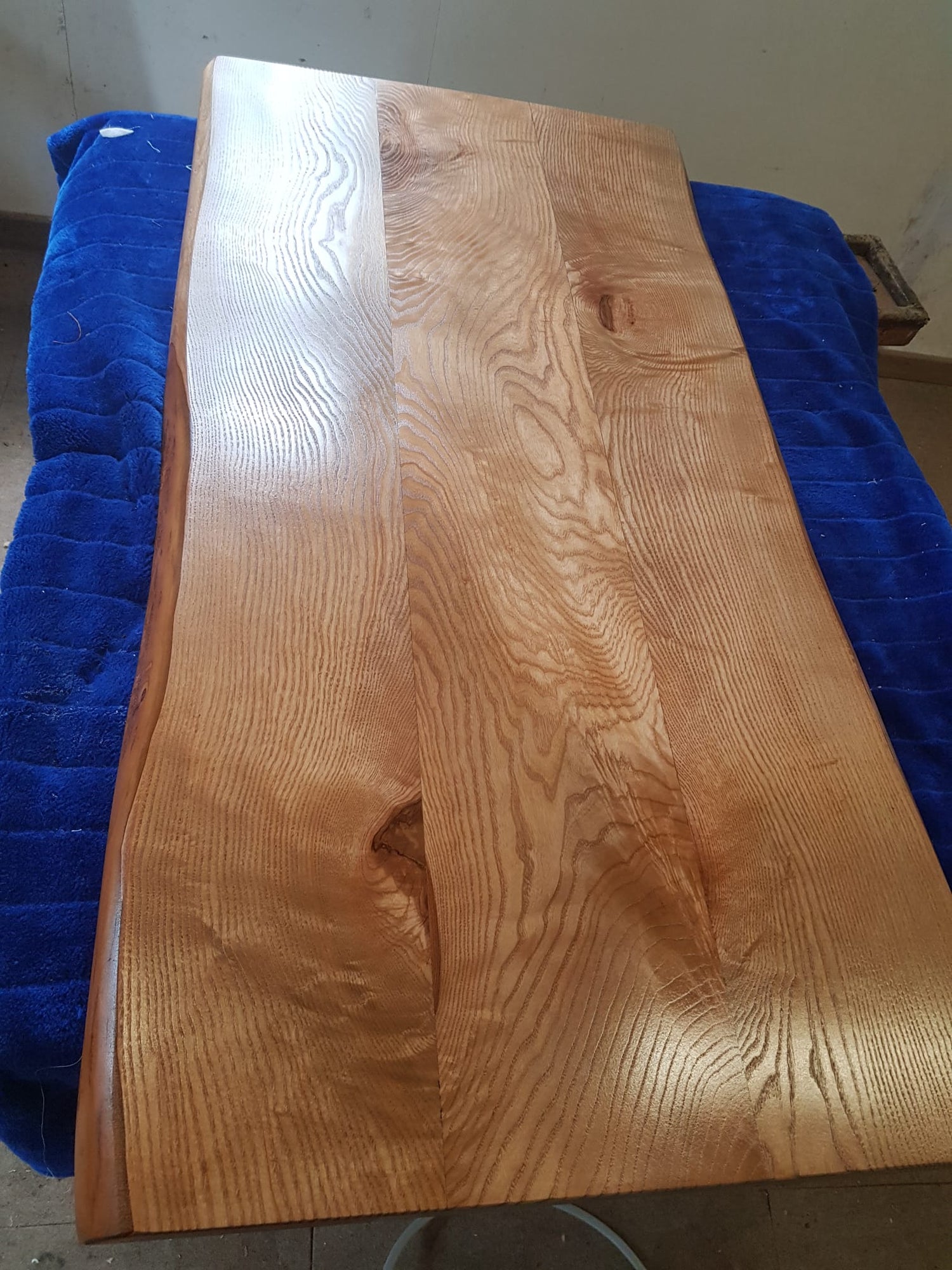
Table tops made of solid wood in oak or ash
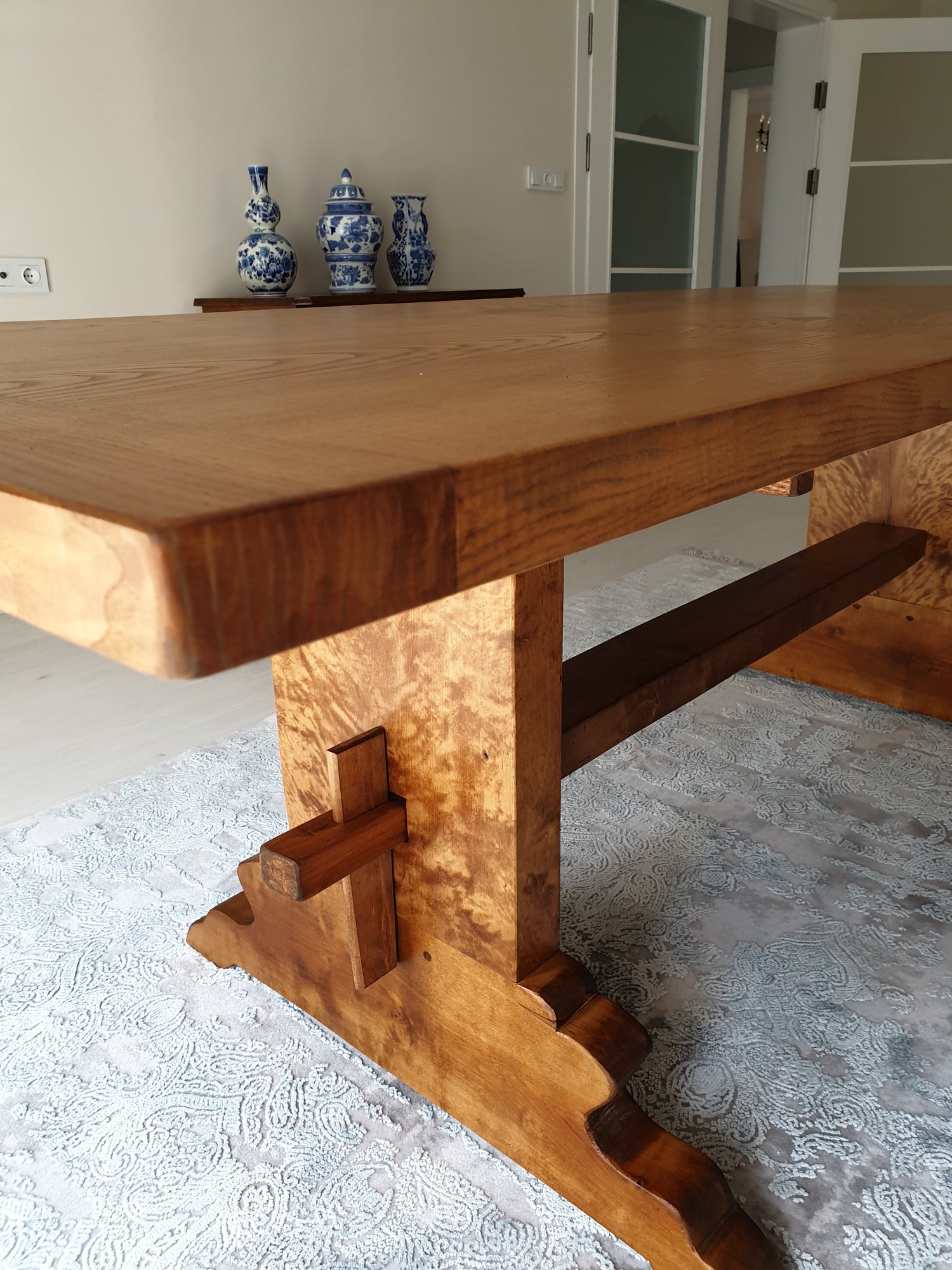
Finished tables made of solid wood
Our finished solid wood tables offer various options, including different legs and wood types such as oak and ash: