
Why antiques are better than new furniture - a guide
Why and when antique furniture is better than new furniture
Antique furniture possesses a unique charm that new pieces simply can't offer. While most people are drawn to brand-new furniture, there's something special about filling your home with items that tell a story. If you value craftsmanship, timeless design, and a sound investment, antique furniture might be just what you're looking for.
Let's explore the reasons why antique furniture can be a better choice not only for your home, but also for your wallet and the environment.
The timeless appeal of antiques
When you enter a home filled with antique furniture, you immediately sense the history and character these objects exude. Each piece, large or small, tells its own story and becomes part of your own life story. For many people, antiques represent a connection to the past, whether through heirlooms or acquired pieces.
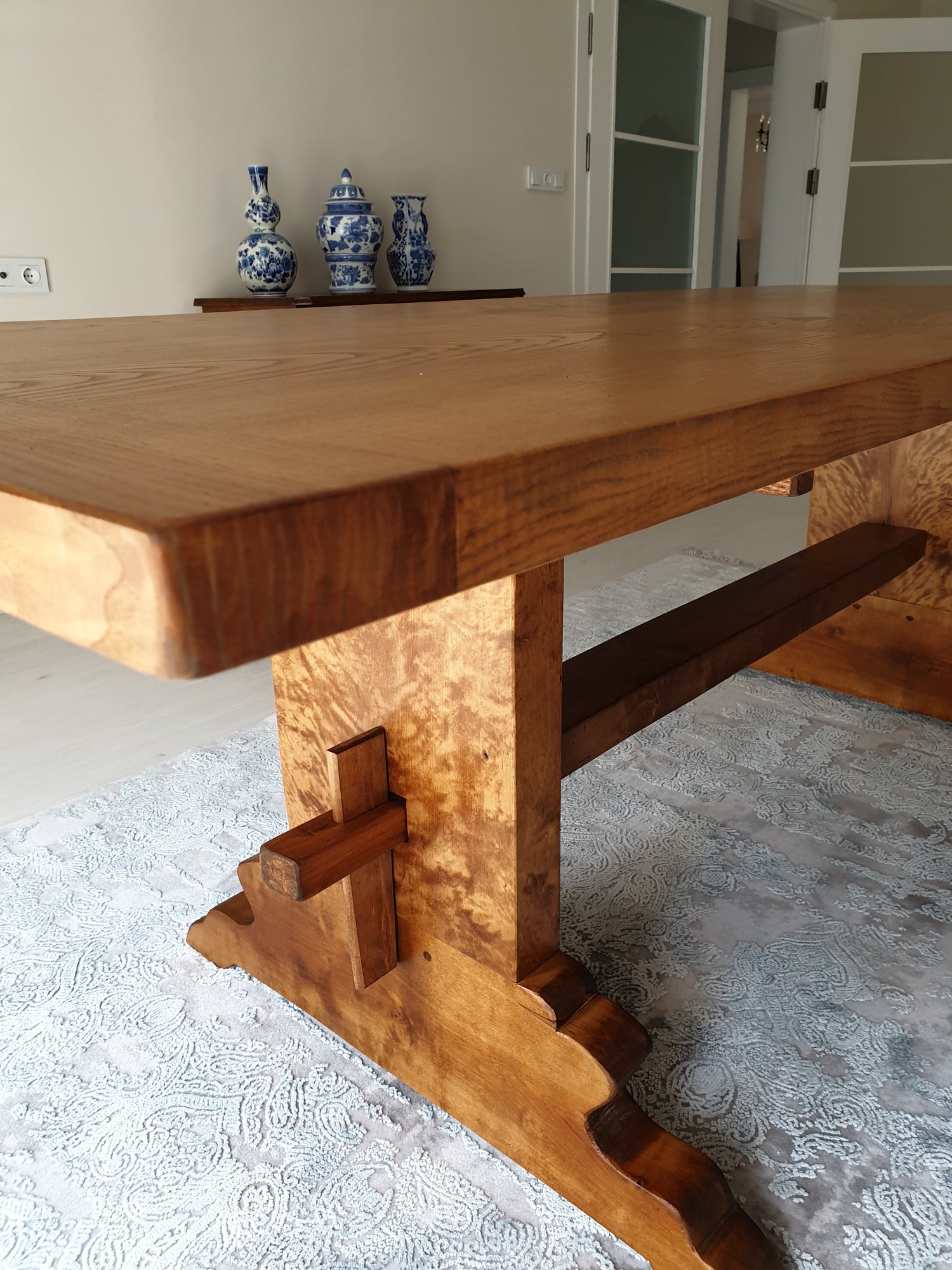
Owning antiques also honors the craftsmanship of bygone eras. These pieces of furniture were crafted with care and meticulous attention to detail—qualities often lacking in modern mass-produced items. And because they were built to last, many antique pieces remain functional and beautiful even today. If you're considering adding a custom-made table or an antique tabletop, take a look at these bespoke tables .
Antiques: A long-term investment
Unlike most modern furniture, which often depreciates in value as soon as you buy it, antiques can appreciate over time. They are a sound investment. Well-maintained antique furniture can become more valuable over time, especially due to their rarity and the demand for classic designs. However, keep in mind that market demand can fluctuate, so it's wise to treat antiques like any other investment: buy them low and sell them for a profit.
For bargain hunters, antiques offer a great opportunity to discover true treasures. Whether it's a beautiful chair or a sturdy table, each piece brings not only style but also potential for future profits. If you're looking for a high-quality table or piece of furniture, you might find something special in this collection of antique- inspired pieces .
Supporting the local economy through the purchase of antiques
Buying antiques often means shopping at local antique shops, flea markets, or estate sales. These places are usually small, locally owned businesses. By choosing to buy there, you support the local economy and help keep money in your community.
Furthermore, you can find high-quality furniture in many second-hand shops, often in excellent condition. The quality of many older pieces is often far superior to that of modern, mass-produced furniture. Thanks to the internet, finding and buying antiques has never been easier. Websites specializing in second-hand or custom-made furniture, like these bespoke tabletops , offer convenient options for those who prefer to shop from home.
Environmentally friendly benefits of buying antiques
In today's world, sustainability is becoming increasingly important, and antiques offer a more environmentally friendly alternative to new furniture. Every purchase of an antique means one less piece of furniture ending up in a landfill. Instead of contributing to the environmental damage caused by furniture manufacturing, you are choosing to reuse items that have already stood the test of time.
By buying antiques, you also reduce the need for new materials, energy, and resources that go into producing modern furniture. In a way, antiques are a form of recycling. If you'd like to make an eco-friendly furniture choice, take a look at this eco-friendly furniture collection .
When should you not buy antiques?
As advantageous as antiques can be in many cases, there are still some things you're better off not buying secondhand. These include items like mattresses, pillows, or hygiene products, which can pose potential health risks. Buying used versions of these products can introduce unwanted germs or allergens into your home.
Antiques as an expression of personal style
Antiques offer you the opportunity to create a truly unique home. No two antique pieces are alike, and each adds a special touch to your space. Whether it's a rustic farmhouse table or an elegant Victorian chair, antiques help tell your story. They create a rich, layered look that feels authentic and timeless.
For those who want to furnish their home with truly unique pieces, antiques offer a creative and personal way to showcase their taste. Need help finding the perfect antique table? Check out this selection of tables to suit every style.
Final thoughts: The joy of antiques
Ultimately, antiques are about more than just functional furniture. They bring character, history, and beauty to your home. Every scratch, every worn corner, and every faded edge tells a story—a story that further enhances the charm and value of the piece.
The next time you're thinking about buying new furniture, consider the charm and benefits of antiques. You'll not only be investing in quality and craftsmanship, but also making an environmentally friendly choice that supports local businesses.
FAQ: Frequently asked questions about buying antiques
1. Are antiques really more durable than modern furniture?
Yes, many antiques were made from solid wood and with high-quality craftsmanship, which often makes them more durable than modern mass-produced items.
2. How can I tell if a piece of furniture is a genuine antique?
Look for signs of age, such as patina or old joining techniques. It can also be helpful to research the period and style of the piece. An expert can help you authenticate it.
3. Do antiques also fit into modern apartments?
Absolutely! Combining antiques with modern furniture can create a stylish and eclectic look. Antiques bring warmth and character to rooms and offer an exciting contrast to modern designs.
4. How do I properly care for antique furniture?
Regular dusting with a soft cloth is important. For a more thorough cleaning, you should use products specifically designed for wood. Avoid direct sunlight and extreme temperatures, as these can damage the wood.
5. Do antiques really increase in value over time?
Yes, many antiques can increase in value, especially if they are rare and well-preserved. However, the market can fluctuate, so buy pieces you like, regardless of their future value.
6. Are antiques environmentally friendly?
Yes, buying antiques is a form of recycling. By purchasing used furniture, you reduce waste and the need for new resources, making antiques an environmentally friendly choice.
7. Should antiques be restored or left in their original condition?
It depends on the piece. Minor restorations can preserve its value, but over-restoration can sometimes diminish its authenticity and charm.
8. Where can I buy high-quality antiques?
Research at trusted antique dealers, flea markets, or estate sales. You can also search online for specialized platforms, such as this collection of custom-made furniture .
9. Are there any items that are better not bought used?
Avoid buying used mattresses, bedding, or hygiene products due to health risks. When buying antiques, focus on furniture and decorative items.
10. How do I know if an antique is a good investment?
Research the history, condition, and current market demand of the piece. Consulting an antiques expert can also help you assess whether the piece is likely to appreciate in value.