Why solid wood is a better choice than engineered wood products
Best choice for wood-based material: Solid wood
Choosing the right material for furniture can be a challenge. Besides style, color, and shape, the choice of material is crucial for the durability and appearance of your furnishings. When it comes to wood, terms like engineered wood, MDF, plywood, or veneered wood can quickly become confusing. Are these really wood, or are they just alternatives to solid wood? In this blog post, we'll explain why solid wood is the best choice and how it differs from engineered wood.
What are wood-based materials?
Wood-based materials are not natural wood, but industrially manufactured materials. They consist of a mixture of wood fibers, sawdust, and binders such as glue and chemicals, which are bonded together under high pressure and temperature.
Example: MDF (Medium Density Fiberboard)
MDF is primarily made from sawdust and later processed into panels. These panels look like wood, but are not as robust as real solid wood.
Difference to solid wood
How is solid wood produced?
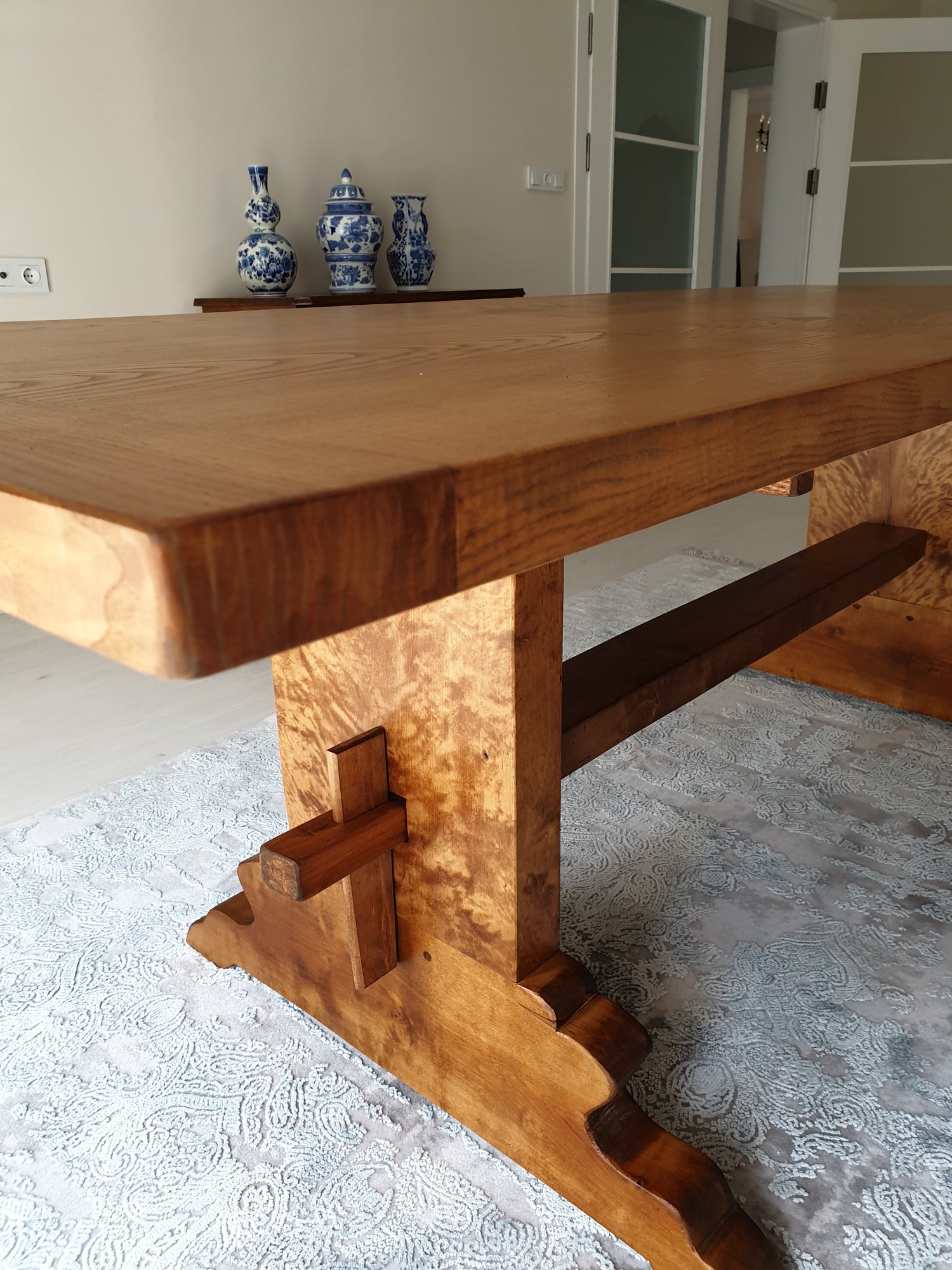
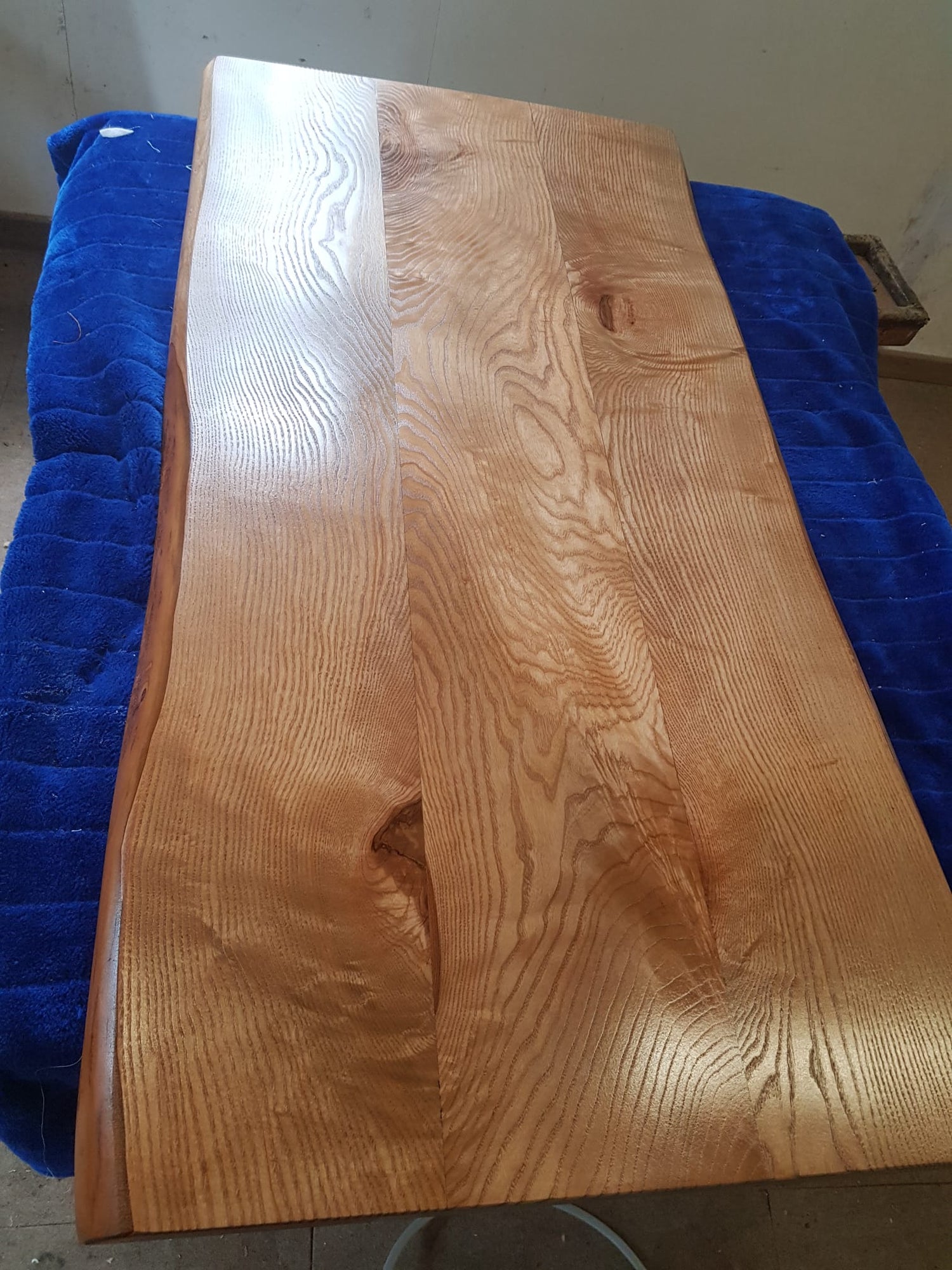
Solid wood is cut directly from a tree trunk and is therefore a purely natural product.
Why solid wood is superior
Unlike engineered wood products, which often only give the appearance of real wood, solid wood offers:
- Natural wood grain
- Increased stability and resistance
- Longer shelf life
Solid wood furniture retains its natural charm and develops a unique patina over time.
Plywood and veneer – what are they?
Properties of plywood
Plywood consists of several thin layers of wood glued together. It is more stable than MDF, but still not comparable to solid wood.
What is veneered wood?
Veneered wood is a more affordable approach:
- A thin layer of high-quality wood is applied to inferior materials such as MDF or plywood.
- Visually, it resembles solid wood, but the quality and durability are lower.
Problems with plywood and veneer
- Reduced durability
- Sensitivity to scratches and water damage
- Increased susceptibility to cracking or deformation due to temperature fluctuations
Solid wood furniture, on the other hand, is durable and easy to repair.
How can you identify wood-based materials?
Sometimes it can be difficult to distinguish engineered wood products from solid wood.
Tips for identification
- Weight: Engineered wood products are significantly lighter than solid wood.
- Wood grain: In veneered furniture, the grain is only visible on the surface.
- Legs and edges: Layers or cotton-like joints indicate MDF or plywood.
The advantages of solid wood
Durability and stability
Solid wood furniture often lasts a lifetime and is easy to repair. Small scratches or water damage can be sanded down and the surface refinished.
Natural beauty
Over time, solid wood develops a unique patina that further enhances its character.
Care of solid wood furniture
Simple and effective
- Regular cleaning: Dusting and occasional re-oiling are sufficient.
- Repairability: Scratches or damage can be sanded down and refinished.
Solid wood furniture made from sustainable forestry is also environmentally friendly and durable.
Is solid wood environmentally friendly?
Sustainability of solid wood
- Sustainable forestry: Wood from certified sources is environmentally friendly.
- Fewer chemicals: Solid wood contains no harmful binders such as formaldehyde.
- Energy-efficient processing: Wood is only cut, dried and processed.
Solid wood furniture is therefore the ecological and durable alternative to wood-based materials.
Conclusion: Why solid wood is the better choice
Solid wood furniture is an investment in quality, durability, and sustainability. Unlike furniture made from engineered wood products, it offers:
- Higher stability
- Natural appearance
- Reduced maintenance
- Unique charm through patina
If you're looking for high-quality furniture, solid wood furniture is the best choice. At the Uzun furniture workshop, you'll find a wide selection of handcrafted pieces that perfectly match your vision.
FAQ – Frequently Asked Questions
1. What are the differences between solid wood and engineered wood products?
Solid wood consists of real wood and is more durable and stable. Engineered wood products such as MDF or plywood are made from wood fibers and glue and are less robust.
2. Are solid wood furniture pieces more expensive?
Yes, they are often more expensive, but offer better value for money because they last longer.
3. How do I properly care for solid wood furniture?
Regular dusting and occasional oiling are sufficient to keep the furniture in top condition.
4. Can I use solid wood furniture outdoors?
Yes, if they are treated properly, they are weather-resistant.
5. Is veneered wood just as good as solid wood?
No, veneered wood is less stable and durable, as only the surface is made of real wood.
6. Which types of wood are best suited for furniture?
Popular types of wood include oak, pine, and rosewood, as they are robust and durable.
7. Can I refinish solid wood furniture myself?
Yes, that's a big advantage. You can sand down scratches and re-oil the piece of furniture.
By choosing solid wood, you are opting for a piece of furniture that not only looks beautiful but can also last for generations.
Alternatively: Buy a ready-made table directly.
If you don't want to build a table yourself, you can either choose a high-quality tabletop or buy a ready-made table.
Solid wood tabletops
Discover our range of tabletops in various types of wood:
Table tops made of solid wood in oak or ash
Finished tables made of solid wood
Our finished solid wood tables offer various options, including different legs and wood types such as oak and ash: