
Why are trees so important for our survival and the ecosystem?
Why are trees so important for our survival and the ecosystem?
Trees play a central role in our lives and are essential for the health of our planet. They not only provide us with the oxygen we need to breathe, but also contribute to cleaning the air and regulating the climate. But what exactly makes trees so special, and why should we do more to protect them?
The importance of trees for air quality
Trees absorb carbon dioxide and release oxygen – a process vital for the survival of all living things. While humans and animals inhale oxygen and exhale carbon dioxide, trees reverse this process. They absorb the carbon dioxide we produce and release oxygen back into the atmosphere. This natural cycle helps maintain the balance of our environment and improve air quality.
Furthermore, trees act as natural filters, removing pollutants from the air. They trap dust, smoke, and other particles on their leaves, thus making the air we breathe cleaner.
Climate protection through trees
Another important aspect is the role of trees in the fight against climate change. Trees absorb large amounts of carbon dioxide, one of the main causes of global warming. By reducing the CO₂ concentration in the atmosphere, they slow down the effects of climate change and contribute to climate stabilization. Large forests are particularly important in this regard, as they act as so-called "carbon sinks" and help us reduce CO₂ emissions.
If you live an environmentally conscious life and want to furnish your home or office with sustainable furniture, take a look at the custom-made furniture from the Uzun furniture carpentry workshop .
Trees as habitat and food source
Trees are not only important for air quality and climate protection, but also provide food and shelter for numerous living things. Birds, insects, and many other animals find a habitat in trees where they can hide from predators, build their nests, and forage for food. We humans also benefit from the fruit that many trees bear, as well as from the raw materials we can obtain from them to manufacture furniture or other products.
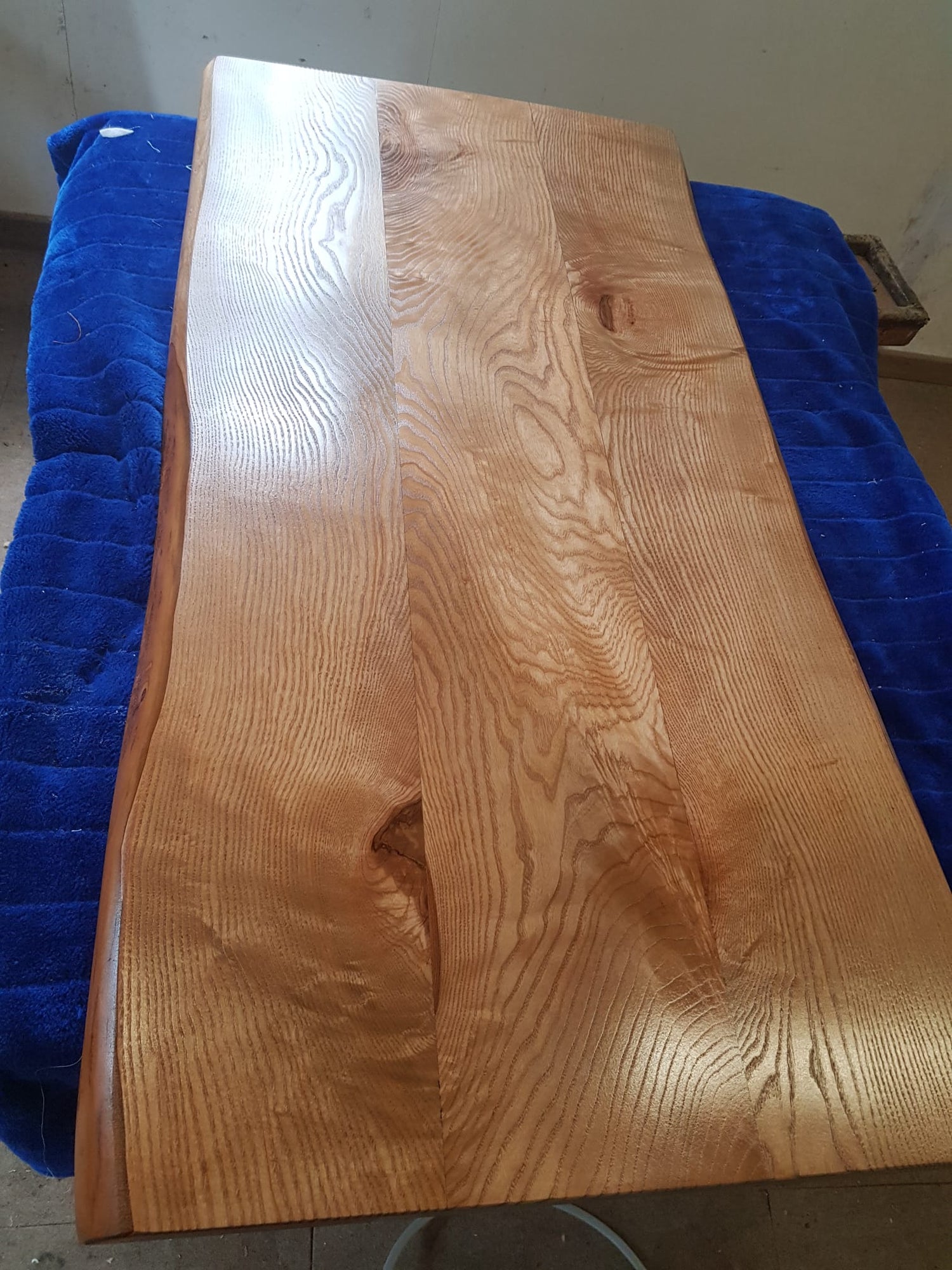
Are you looking for a custom-made table that enhances the natural ambiance of a room? Take a look at the custom -made tables from the Uzun furniture workshop – sustainable and individual.
The photosynthesis cycle: Energy source for trees and plants
The process behind all these vital functions is called photosynthesis. In photosynthesis, plants convert sunlight into energy they need for growth. In doing so, they absorb carbon dioxide from the air and water from the soil, producing oxygen as a byproduct – a crucial component for us.
This cycle allows plants to grow and develop while simultaneously contributing to improved air quality and the maintenance of ecological balance.
Would you like to learn more about sustainable furniture that is in harmony with nature? Discover the environmentally friendly products from the Uzun furniture workshop and make your home a place of well-being.
Trees and their influence on the global ecosystem
Trees are not only important for the local environment, but also an essential component of the global ecosystem. They help regulate the water cycle by absorbing water from the soil and releasing it into the atmosphere through their leaves. This evaporation contributes to cloud formation and rainfall, which is crucial for climate stability and water supply in many regions.
Furthermore, trees protect the soil from erosion. Their roots hold the soil together and prevent fertile soil from being washed away – a particularly important aspect in regions affected by heavy rain or storms.
Are you looking for custom-made furniture that brings nature into your home? Take a look at the unique pieces from the Uzun furniture workshop, which highlight the natural beauty of wood while being sustainably produced.
Conclusion: Trees are indispensable for our lives
Trees are far more than just large plants. They provide us with oxygen, purify the air, protect the climate, and offer a habitat to countless living creatures. Without trees, our planet would not be what it is today. Therefore, it is essential that we commit ourselves to their preservation and care.
If you want to do something for the environment and at the same time furnish your home or office with stylish furniture, visit the Uzun furniture workshop and discover the variety of handcrafted furniture pieces that bring the beauty of nature into your rooms.
FAQ: Frequently asked questions about trees and their benefits
1. Why are trees important for our survival?
Trees absorb carbon dioxide and produce oxygen, which we need to breathe. They also contribute to improving air quality and help slow down climate change.
2. How do trees help in the fight against climate change?
Trees absorb carbon dioxide, thus reducing the concentration of this greenhouse gas in the atmosphere, which contributes to stabilizing the climate.
3. What role do trees play for animals?
Trees provide shelter and food for numerous animal species. Many insects, birds, and mammals find their habitat in trees.
4. Can trees improve air quality?
Yes, trees act like natural filters, absorbing pollutants and particles from the air and thus improving air quality.
5. How does photosynthesis work?
During photosynthesis, plants convert sunlight, water, and carbon dioxide into energy and oxygen. This is the process that enables plant growth.
6. Why should we plant more trees?
More trees contribute to improved air quality, provide habitat for animals and help to combat climate change.
7. What happens if we cut down too many trees?
Deforestation leads to an increase in carbon dioxide in the atmosphere, which accelerates climate change. Furthermore, many animals lose their habitat.
8. How can trees contribute to soil stabilization?
Tree roots hold the soil together and prevent erosion, especially in areas affected by heavy rain or wind.
9. Which trees are best suited to the climate?
There are many tree species that bind a particularly large amount of carbon dioxide and are good for the climate, including oaks, beeches and maples.
10. What can we do to protect trees?
We can advocate for sustainable forestry, use less paper, and plant trees ourselves in our gardens or communities.
All statements without guarantee.