
Why are wood products so environmentally friendly? - Guide
Share
Why are wood products so environmentally friendly?
Wood is increasingly seen as the ultimate sustainable material. It has numerous properties that make it a particularly environmentally friendly choice. But what makes wood so special? In this blog post, we'll take a closer look at the advantages of wood products and explain why they are an excellent choice for sustainable building and living.
Wood: The ultimate sustainable material
Wood is not just a building material, but a true all-rounder. It is renewable, sustainable, recyclable, and biodegradable. Furthermore, wood products can often be sourced locally, which further reduces their carbon footprint. Especially in architecture and the construction industry, wood is therefore increasingly seen as an environmentally friendly alternative to concrete or steel.
Advantages of wood products at a glance
-
Renewable resource
Unlike many other building materials, wood comes from a renewable source. Trees grow back and, in doing so, bind large amounts of carbon from the atmosphere. -
Carbon storage
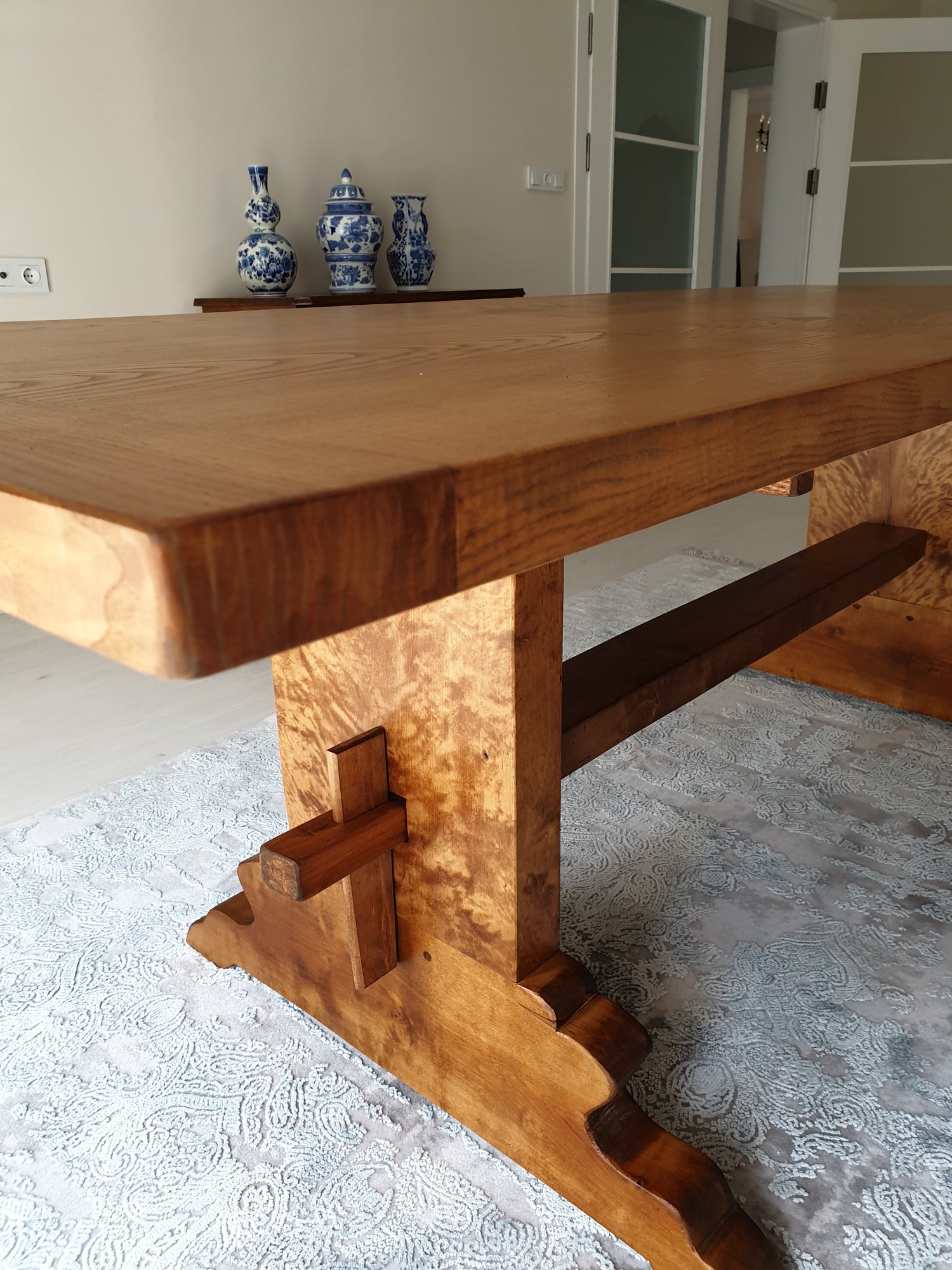
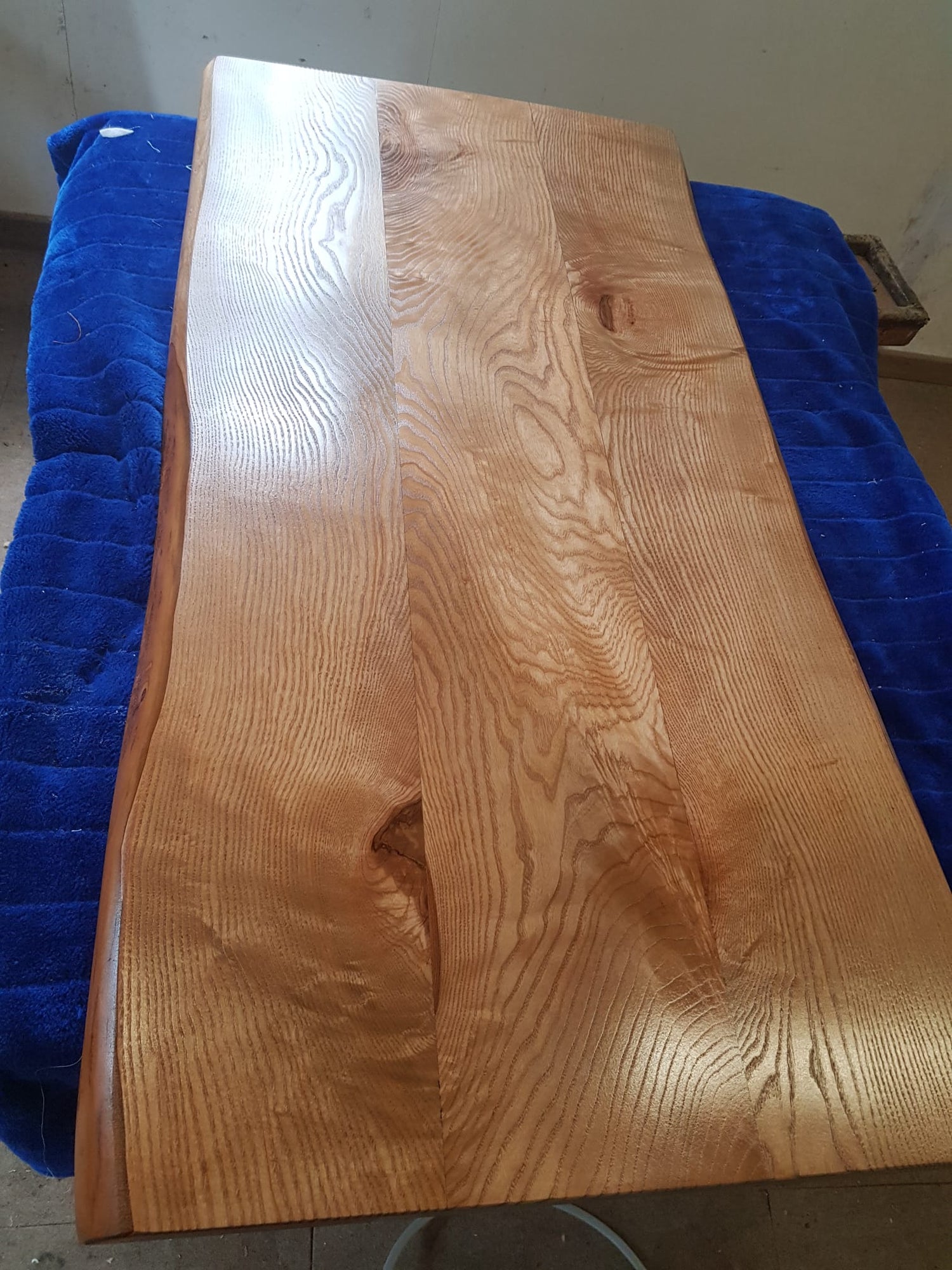
Wood products are veritable carbon sinks. Approximately half of the dry weight of wood consists of carbon. When wood is used in durable products such as furniture or building structures, this carbon remains bound and thus actively contributes to the reduction of greenhouse gases. A high-quality, durable wooden table or tabletop can therefore not only beautify your home but also contribute to climate protection. -
Minimal waste production
In wood processing, almost every part of a tree is used. Approximately 99% of a felled trunk is transformed into a usable product, be it furniture, building materials, or byproducts such as sawdust. This means that very little waste is generated during wood processing, further minimizing the ecological footprint of this material. -
Water and energy efficiency
The production of wood requires significantly less energy and water than other building materials such as steel or concrete. This contributes considerably to resource conservation and the reduction of energy consumption. -
Local availability and sustainability
Wood can often be harvested locally, reducing long transport routes and associated emissions. For example, the furniture workshop Uzun offers handcrafted furniture made from sustainable wood, which is manufactured and processed regionally.
Wood and its ecological footprint
The life cycle assessment (also known as environmental impact assessment) of wood products consistently shows positive results. This method evaluates the environmental impact of products throughout their entire life cycle – from production and use to disposal. Wood performs significantly better in this analysis than many other materials such as steel or concrete, particularly with regard to energy consumption, air and water pollution, and greenhouse gas emissions.
Wood energy: An old resource rediscovered
Wood as an energy source is also experiencing a revival. In sawmills, residual wood generated during processing, such as sawdust and small branches, is often burned directly on-site to produce energy. This so-called biomass energy can also be used in homes and schools, helping to reduce dependence on fossil fuels. This not only provides sustainable heating but also helps maintain the long-term health of the forest by removing old wood and pests.
Conclusion: Wood products for a sustainable life
Wood is not only a versatile and beautiful material, but also one of the best ways to live and build sustainably. It sequesters carbon, produces very little waste, and can be sourced locally and sustainably. If you are looking for an eco-friendly washbasin or other furniture, Uzun Furniture Carpentry is the perfect partner.
FAQ: Frequently asked questions about wood products
1. Why is wood considered a sustainable building material?
Wood comes from renewable resources, binds carbon and has a significantly lower environmental impact than other materials such as steel or concrete.
2. Is wood really more environmentally friendly than other building materials?
Yes, wood has a significantly better environmental footprint than materials such as concrete or steel, especially in terms of energy consumption, CO2 emissions and water consumption.
3. How does wood contribute to carbon storage?
Wood stores carbon that was absorbed by the trees during their growth. This carbon remains bound even after processing into furniture or buildings, thus contributing to the reduction of greenhouse gases.
4. What does it mean when wood is sourced locally?
Locally sourced wood means it comes from the region. This reduces transport distances and therefore the associated emissions, further reducing the product's ecological footprint.
5. Is wood recyclable?
Yes, wood is a natural, recyclable raw material. It can be reused in new products or composted at the end of its life.
6. What is biomass energy and how is it used?
Biomass energy is produced by burning wood waste such as sawdust and small branches. This form of energy is increasingly being used for the sustainable heating of buildings.
7. How can I use wood in an environmentally friendly way in my home?
Durable furniture such as wooden tables and vanities contributes to carbon sequestration and is a sustainable choice for your home. Explore the handcrafted products from Uzun Furniture Workshop to create a more sustainable living environment.
8. What happens to wood waste during production?
Wood waste is almost completely recycled. Nearly 99% of a processed tree trunk is used in various products, resulting in very little waste.
9. Is wood a durable material?
Yes, wood is an extremely durable material that, with proper care, can last for decades. This makes it particularly suitable for furniture and building construction.
10. Why should I pay attention to sustainable wood products?
Sustainably produced wood products protect the environment, promote the health of forests and offer durable, beautiful alternatives to less environmentally friendly materials.
Note: All information is provided without guarantee.