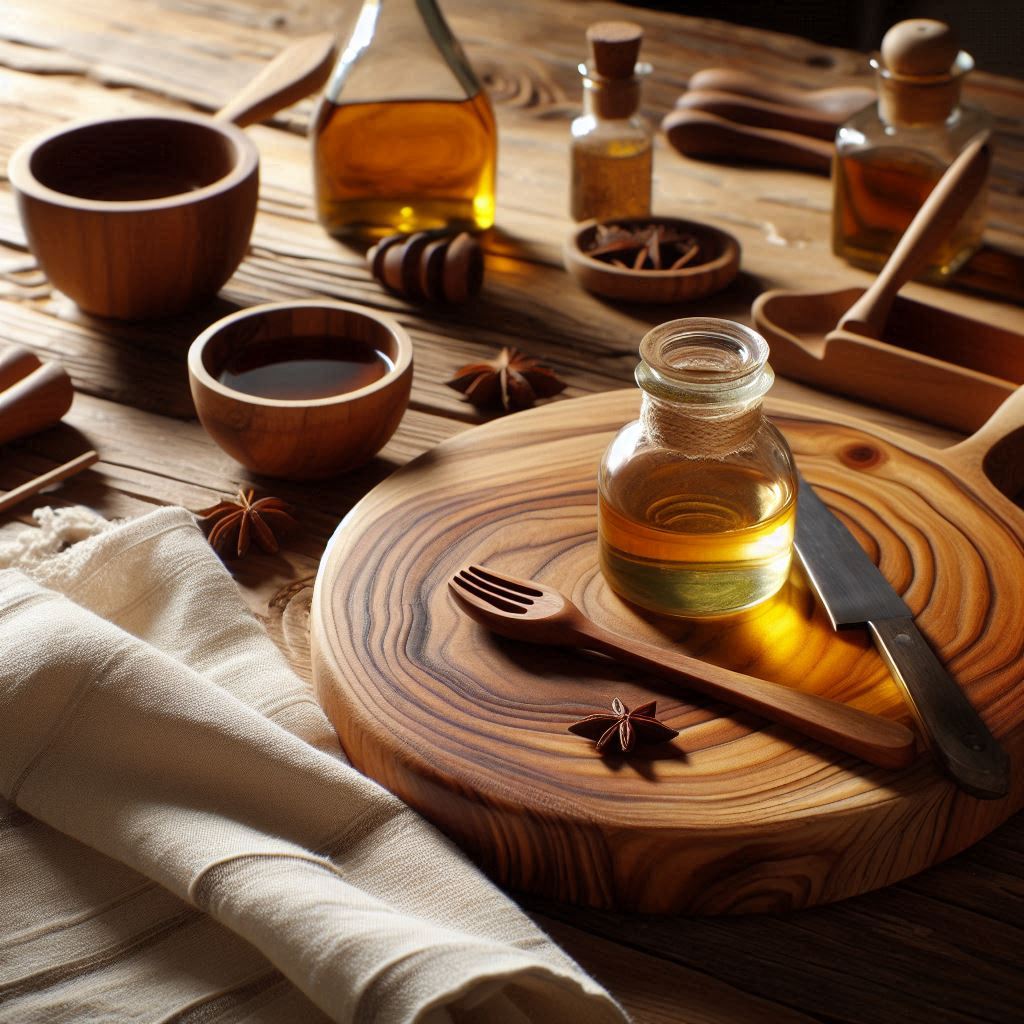
How to properly oil your wooden table: tips and instructions
How to properly care for your wooden table: tips and step-by-step instructions
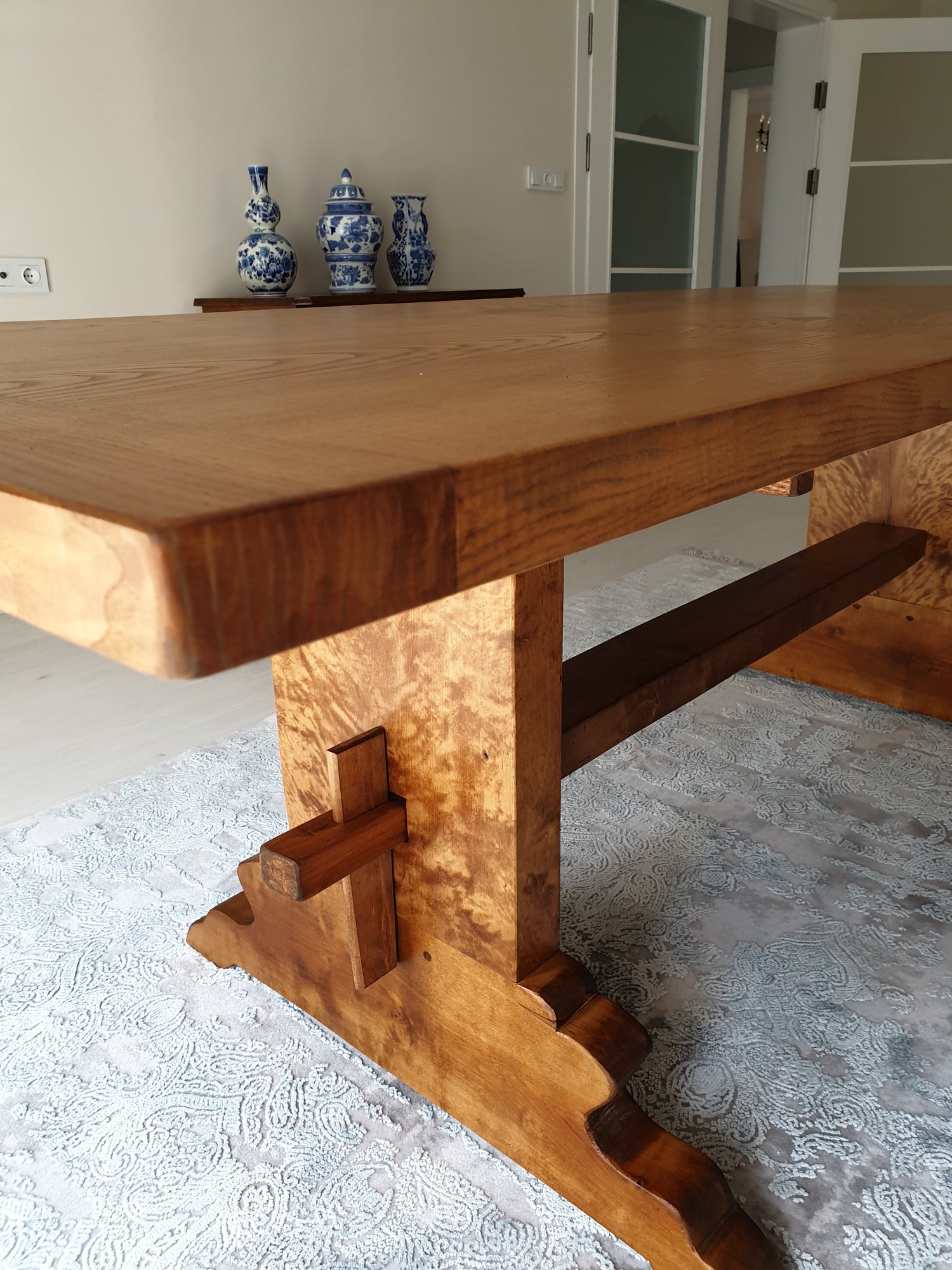
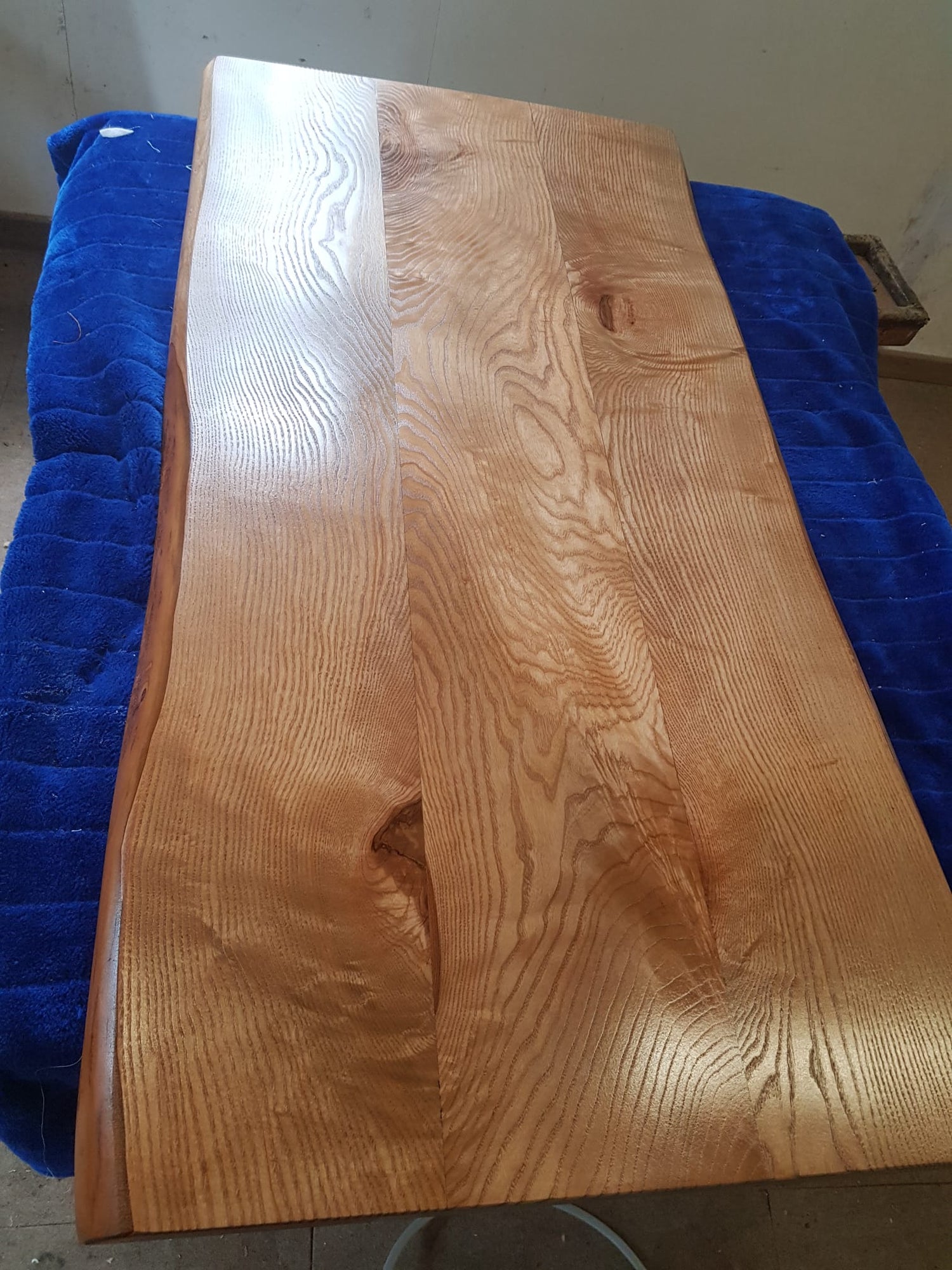
A wooden table is often the centerpiece of a room. Solid wood tables, in particular, radiate a special warmth with their natural grain and unique appearance. Proper care is essential to preserve this charm over the years. Regular oiling not only protects the wood but also enhances its natural beauty.
This article will tell you everything you need to know about caring for and oiling wooden tables – including helpful tips and answers to frequently asked questions.
Why is oiling a wooden table important?
Wood is a living material that reacts to environmental influences. Factors such as sunlight, temperature fluctuations, and humidity can affect the surface of a wooden table over time. Daily use—for example, through eating, drinking, or using hot objects—also takes its toll on the wood.
Oiling protects the wood, making it less susceptible to stains, drying out, or brittleness. At the same time, oiling gives the table a sophisticated, silky sheen.
When should a wooden table be oiled?
A wooden table should be oiled if:
-
The surface appears rough.
-
Water stains or discoloration from the edges of the glasses are visible.
-
The protective layer of oiled or untreated wood needs to be renewed.
However, lacquered or waxed tables do not require oiling.
Step-by-step instructions: How to properly oil your wooden table
1. Cleaning
Before you begin, thoroughly clean the table surface. Use a dry or slightly damp cloth to remove dust and dirt. Microfiber cloths should be avoided as they can cause small scratches.
2. Sanding (if necessary)
If the table has stains or a heavily worn surface, lightly sand it. Use fine-grit sandpaper or a sanding sponge and always work in the direction of the wood grain. Then remove the resulting dust with a dry cloth.
3. Apply oil
Choose a suitable furniture oil and apply it with a lint-free cotton cloth or brush, following the grain. Ensure the oil is evenly distributed for a beautiful finish.
4. Allow to soak in and polish.
Allow the oil to soak in for about 15-20 minutes. Carefully remove any excess oil with a clean cloth and let the table rest for at least 24 hours to allow the oil to fully penetrate.
5. Make any necessary corrections and let it dry.
If necessary, apply a second, thin coat of oil. Use only enough to avoid creating a greasy film. The oil will be absorbed after about 5 hours. However, you should not use the table fully again for three days.
Which oil is suitable?
For solid wood tables, specially developed furniture oil is recommended. Alternatively, you can use linseed oil. Cooking oils such as olive or sunflower oil are unsuitable because they dry poorly and can soften the wood.
Home remedy: Keep your hands off olive oil!
Olive oil is often recommended as a home remedy, but we advise against it. It can go rancid and leave behind unpleasant odors that are difficult to remove.
How to protect your wooden table in the long term
You can extend the maintenance intervals with a few simple measures:
-
Use coasters: Protect the surface from water stains caused by glasses or cups.
-
Use placemats: Tablecloths or runners prevent scratches and stains.
-
Avoid hot objects: Use trivets for hot pots and pans.
-
Reduce direct sunlight: Avoid fading of the table.
Frequently Asked Questions
How often should a wooden table be oiled?
In the first year, we recommend 3-4 oilings. From the second year onwards, it is sufficient to treat the table once or twice a year – depending on usage.
How long does it take for the table to dry after oiling?
The oil needs about 5 hours to soak in. The table will be completely dry after three days.
What to do about scratches in wood?
Light scratches can be removed by careful sanding and re-oiling.
How can water stains be removed?
Water stains can often be removed by light sanding and re-oiling.
Can I use cooking oils?
No. Only linseed oil or specially formulated furniture oils are suitable. Cooking oils such as olive or sunflower oil can damage the wood.
With these tips, your wooden table will remain a real eye-catcher for years to come!
All information in this article is provided without guarantee.